
THINGS TO DO
Find a Goal 12 charity you want to support. Any donation, big or small, can make a difference!
Shop, eat and drink locally. Supporting neighbourhood businesses keeps people employed and circulates money back into your community.
Be conscious of packaging – the less the better!
Buy second-hand whenever you can.
Do some research and buy from companies you know have sustainable practices and don’t harm the environment.
Download and use food sharing applications. You can download apps to donate your leftover food and decrease the amount of food waste you produce.
Choose reusable products. Use an eco-bag for shopping, a reusable water bottle or a cup to reduce your plastic waste.
Advocate for corporate responsibility. Join petitions and campaigns calling out businesses with unsustainable practices.
Stay informed. Follow your local news and stay in touch with the Global Goals online or on social media at @TheGlobalGoals.
Waste Separation and Establishment of Waste Collection Centers
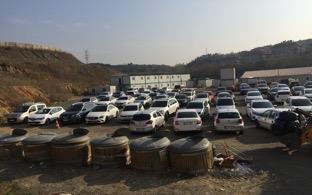
Before
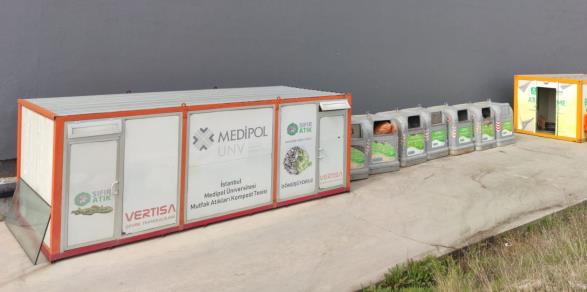
After
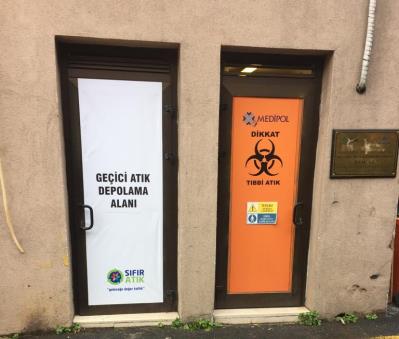
The temporary storage areas for household waste at the South Campus have been organized, relocated, and cleaned with the assistance of the Directorate of Support Services and the Beykoz Municipality for the purpose of on-site separation and storage of waste.
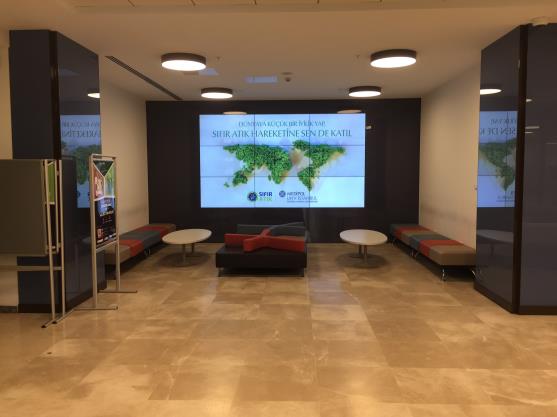
Transition to the Zero Waste Movement
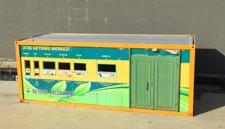
South Campus
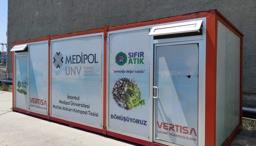
North Campus
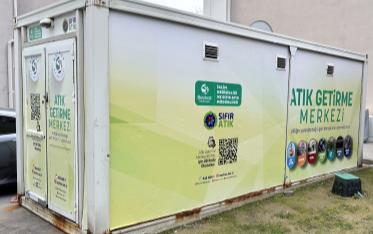
South Campus Compost Machine Installation
First, our university and SUAMs were registered on the Ministry of Environment, Urbanization, and Climate Change's integrated environmental information system portal for transitioning to zero waste.
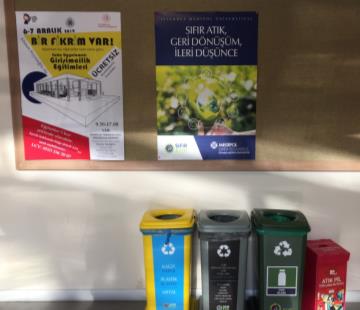
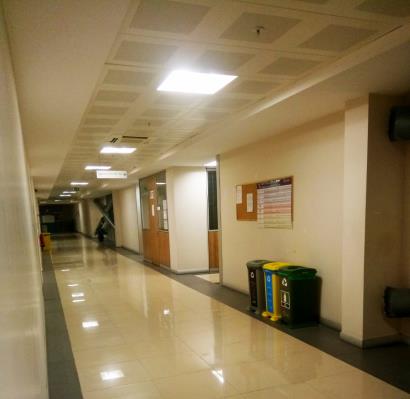
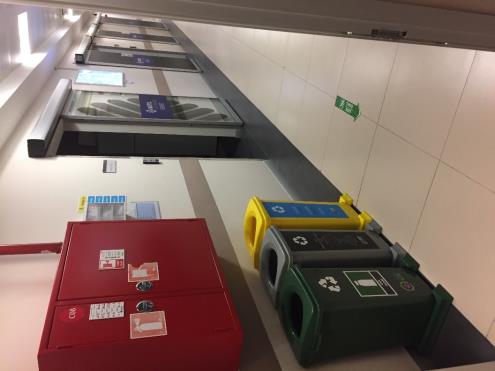
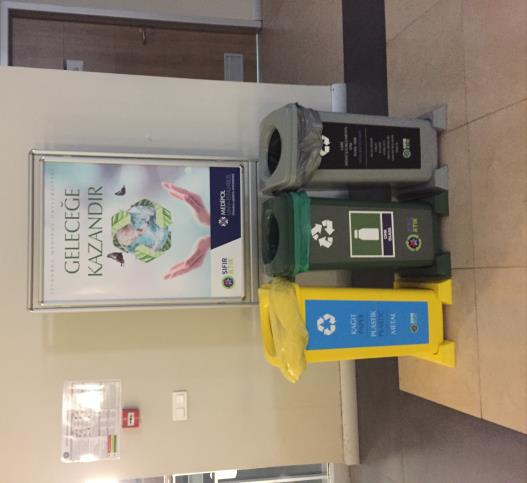
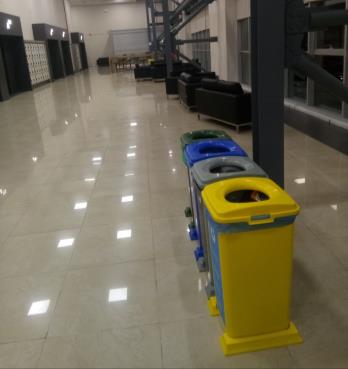
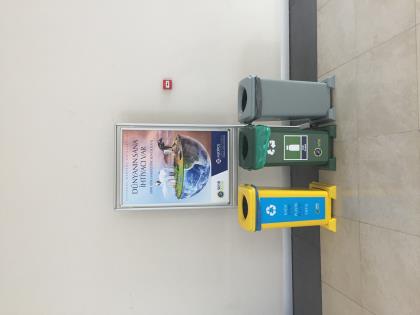
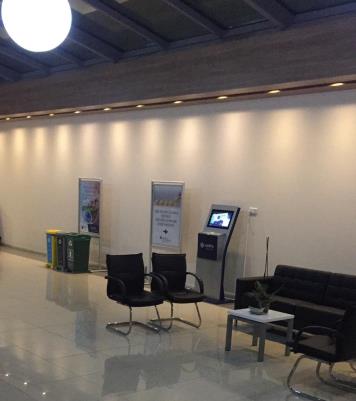
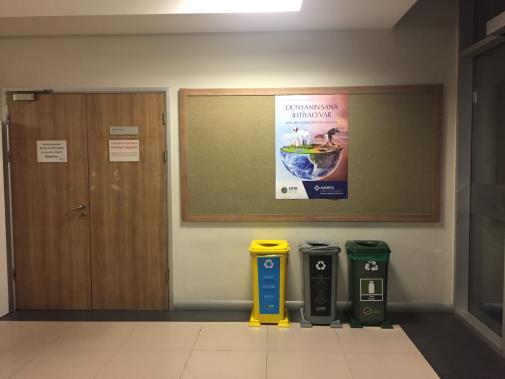
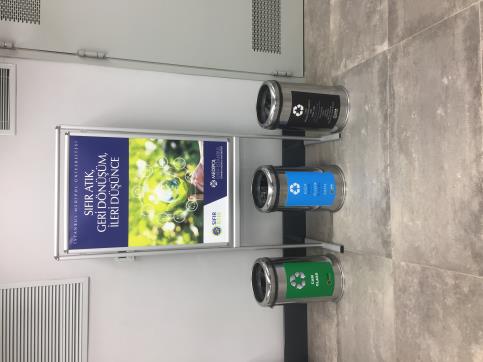
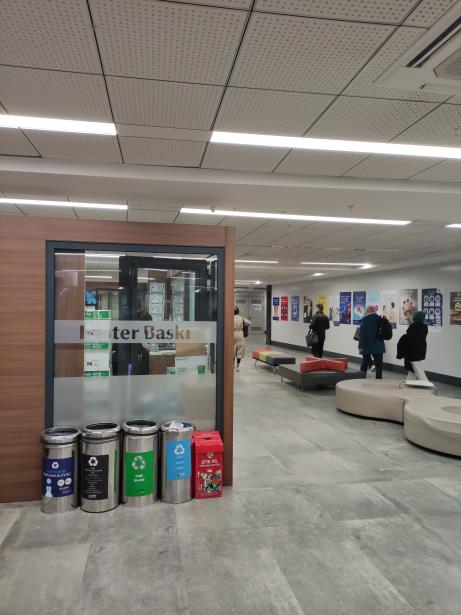
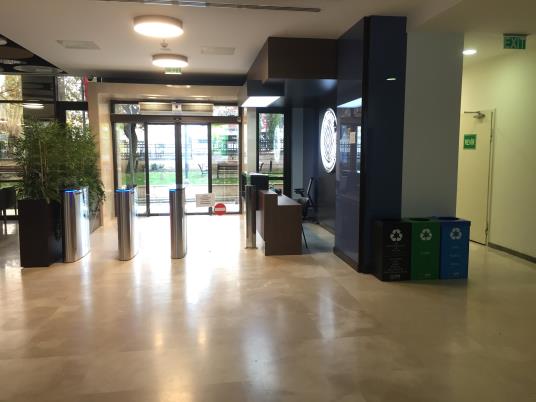
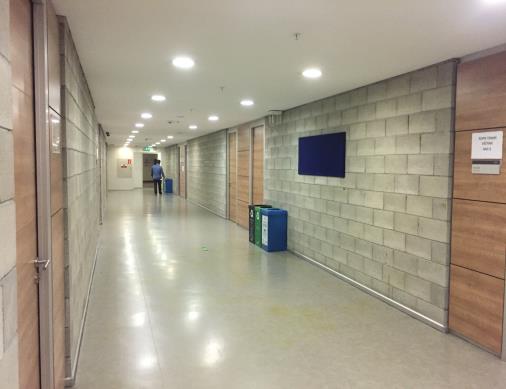
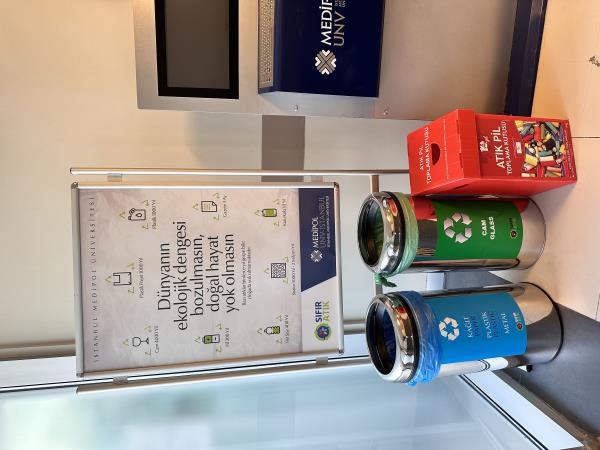
Zero Waste Collection Centers have been placed in suitable locations on the North and South Campuses with the support of the Beykoz Municipality.
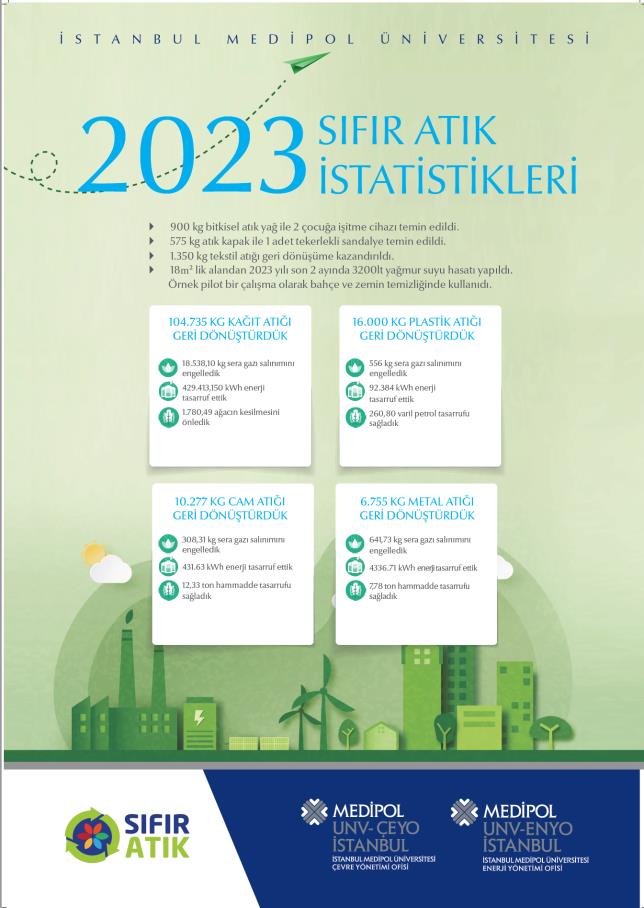
Paper, plastic, glass, battery, textile, and non-recyclable waste bins have been placed in appropriate locations. North Campus, Library, Genetic Diagnosis Center, SABITA
North Campus, Rector's Office, TTO
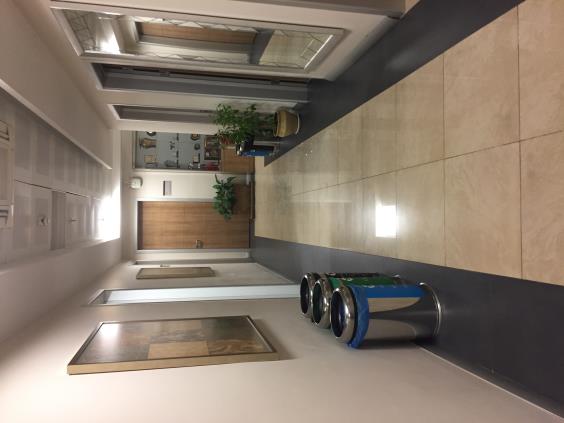
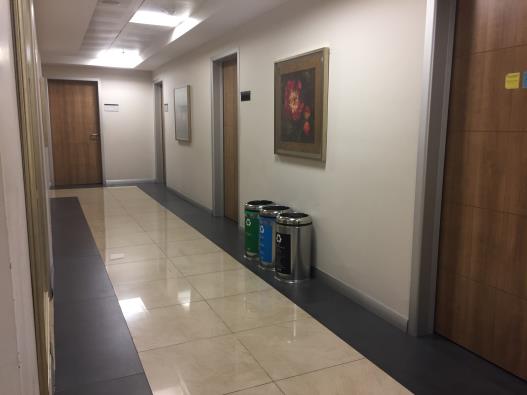
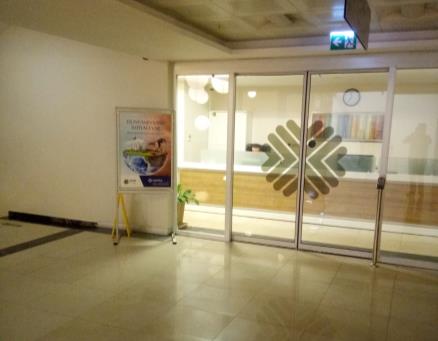
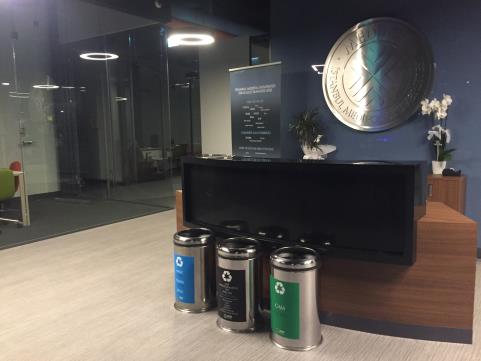
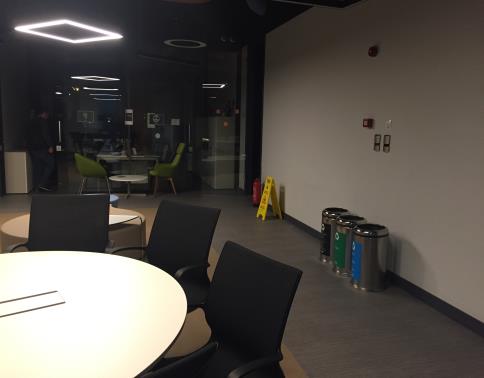
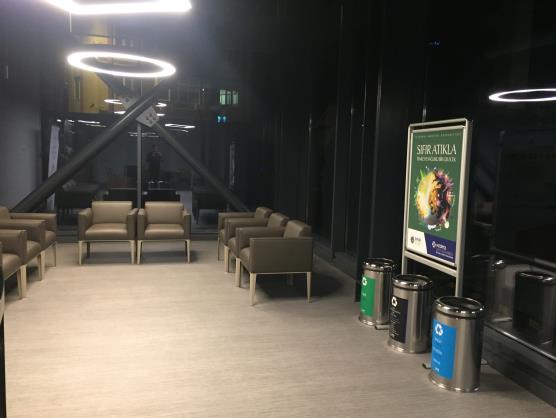
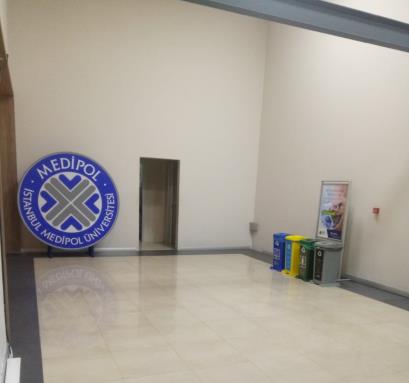
Outdoor Area, Dormitories
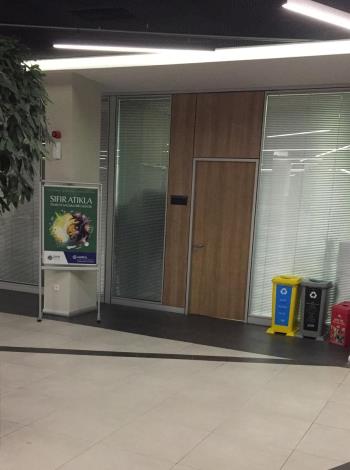
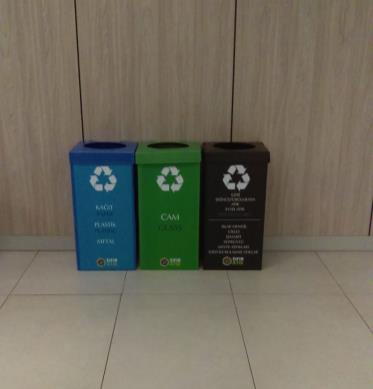
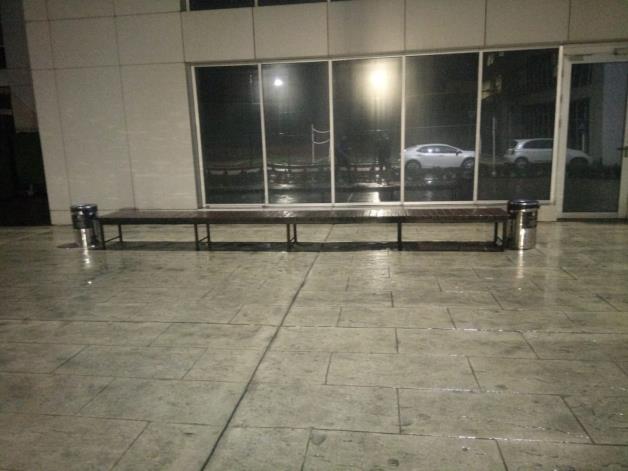
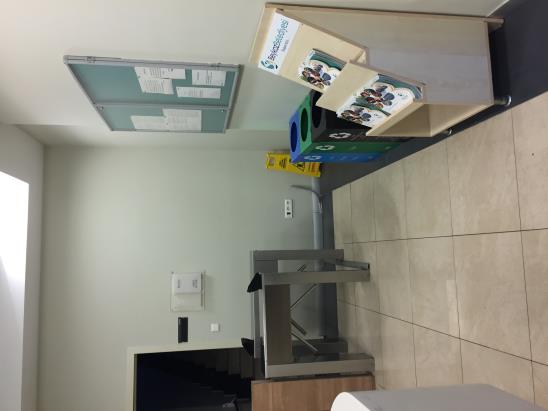
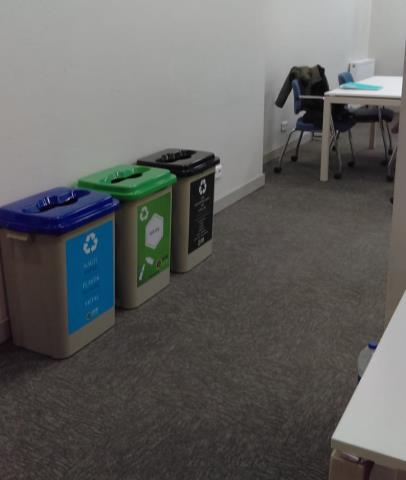
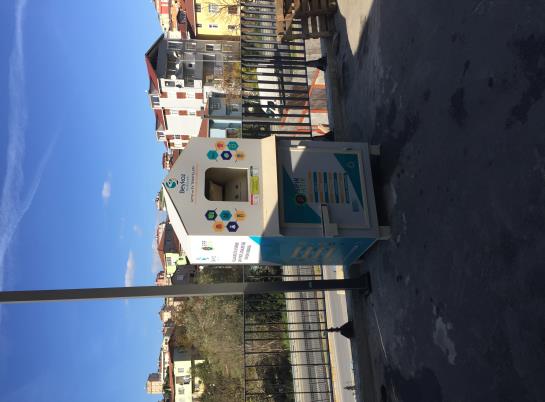
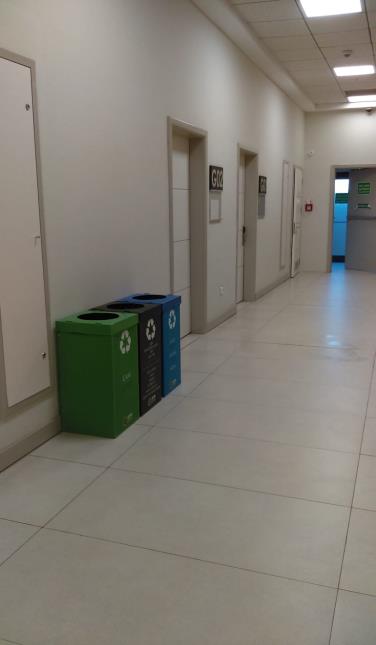
South Campus
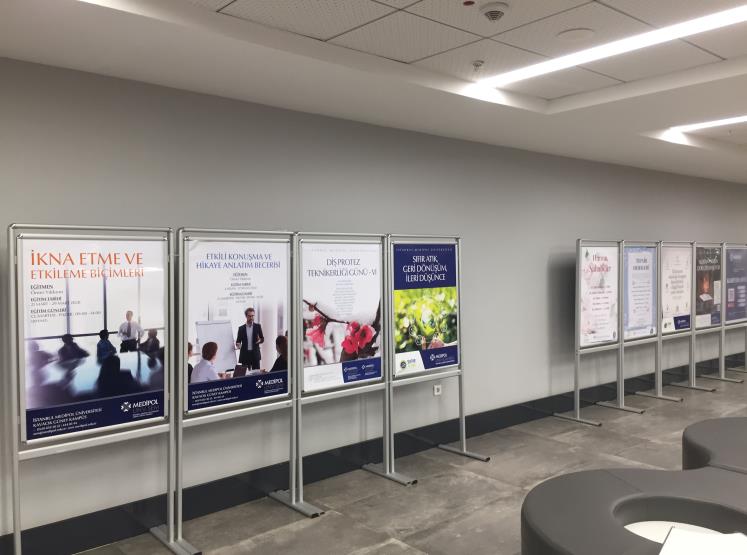
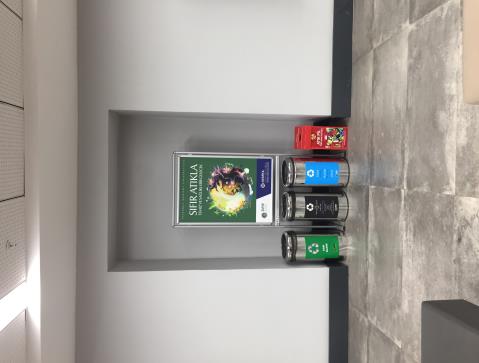
Vatan Clinic, Unkapanı Campus and Dental Hospital
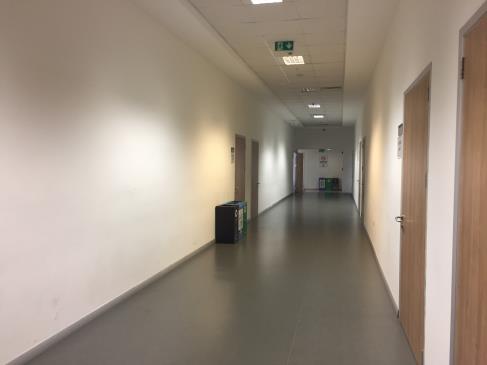
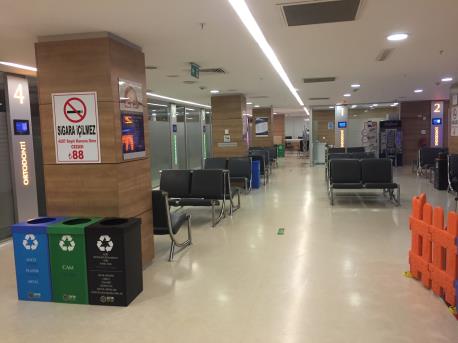
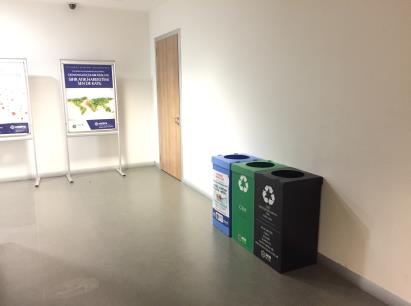

“Waste Battery Collection” Project
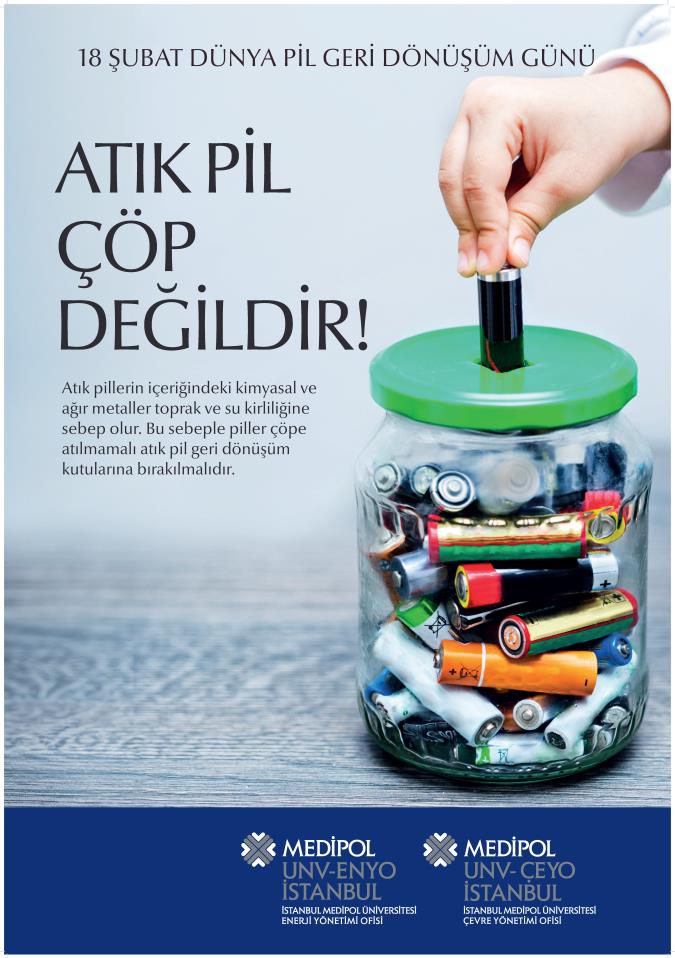
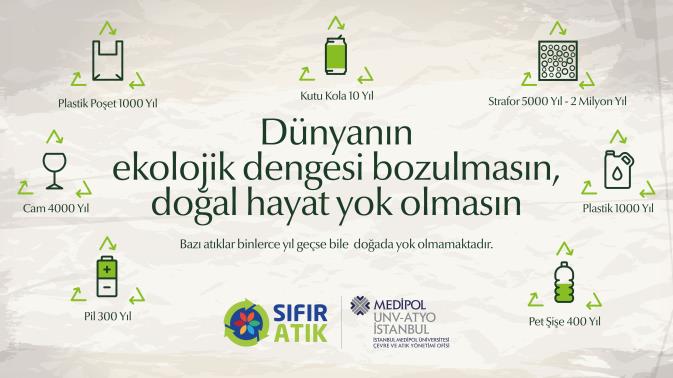

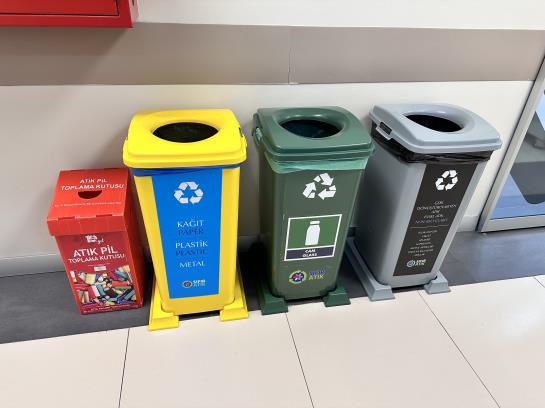
Battery recycling is a process that ensures batteries that have reached the end of their useful life do not harm human health and are reintroduced into the economy.
Battery recycling bins have been placed at 22 locations across our university and its affiliated institutions. They are collected at regular intervals and delivered to contracted institutions.
By the end of 2023, 2,256 kg of waste batteries had been delivered.
"Give an Ear" Project
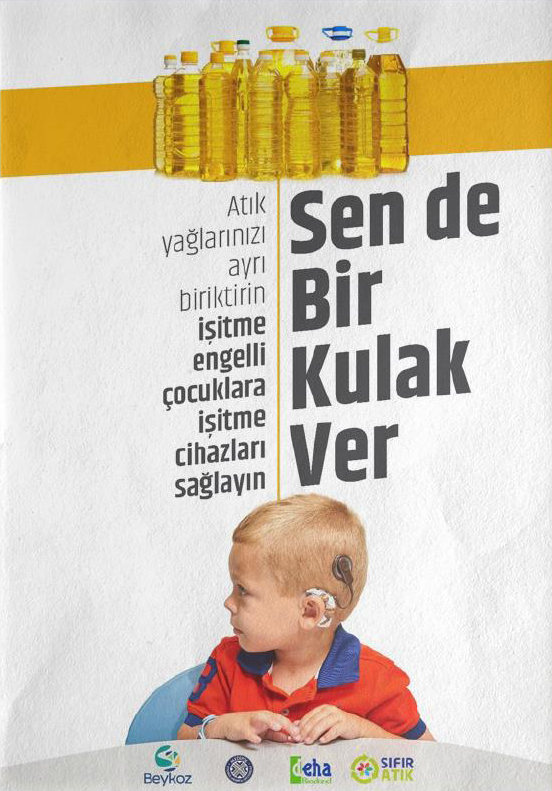
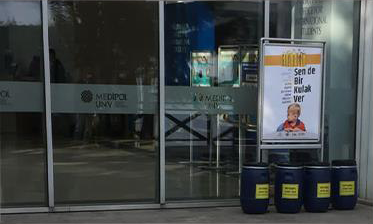
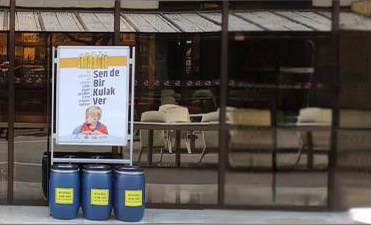
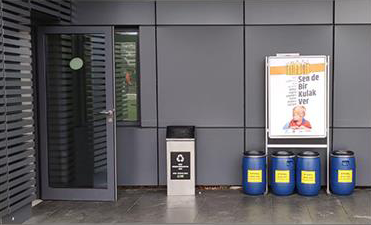
We continue to collect waste vegetable oils at certain periods with the aim of providing hearing aids to children with hearing impairments by separately collecting these oils.
"Each Cap is a Hope" Project
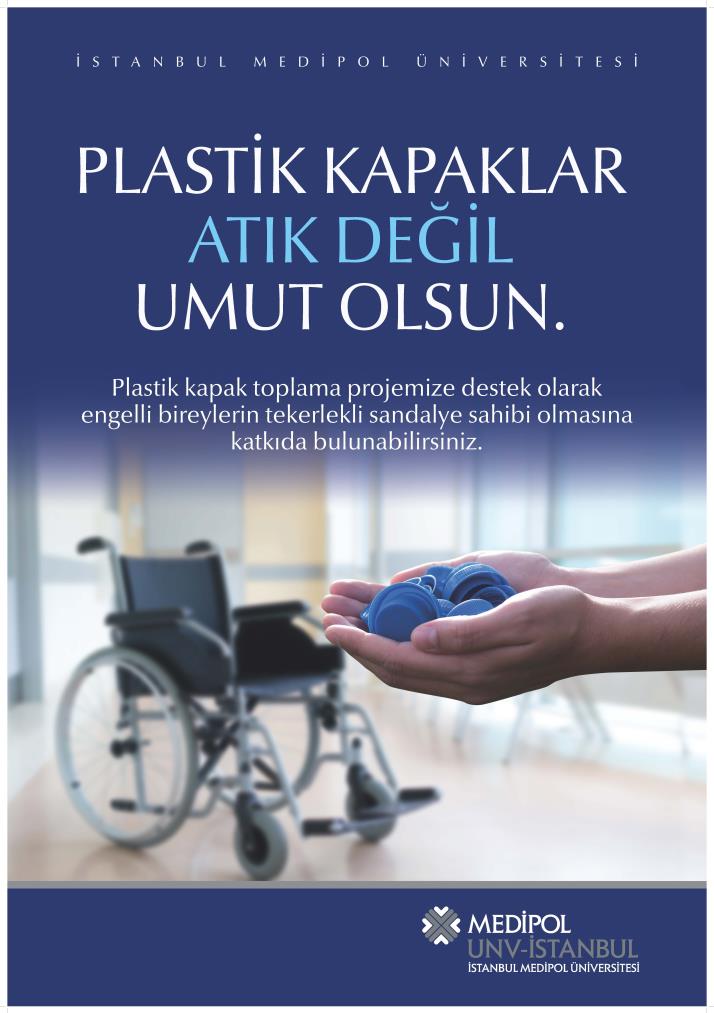
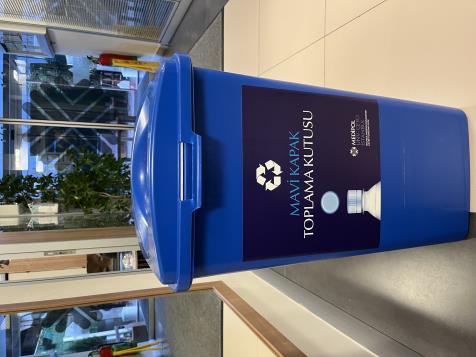
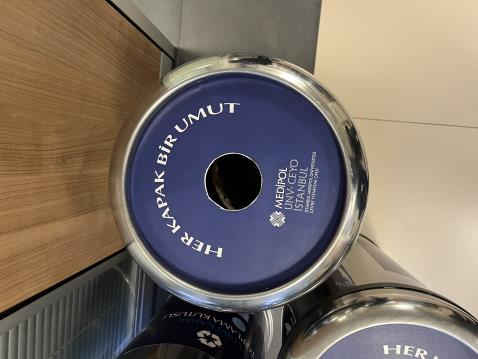
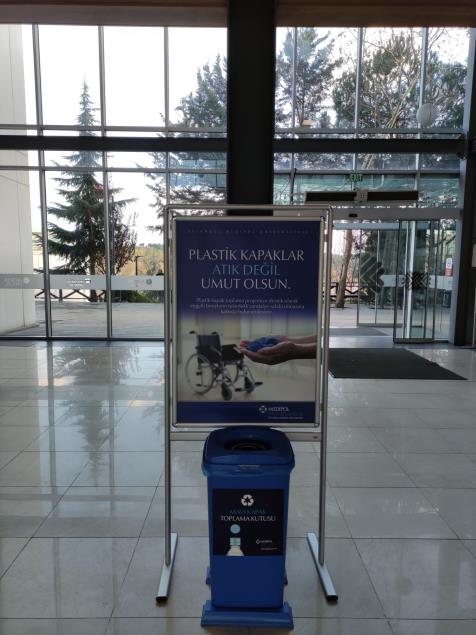
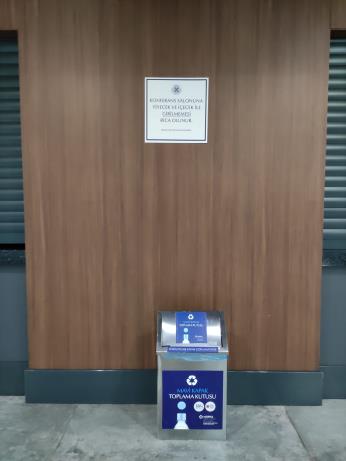
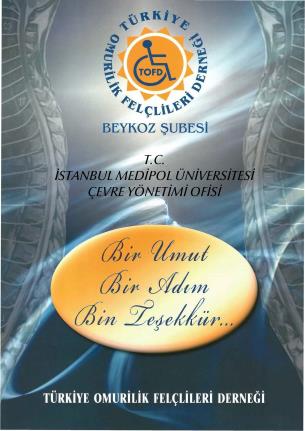
By placing all our plastic caps — blue, red, green, and other colors — including those we bring from our homes, into these collection boxes, we are overcoming barriers together.
We've Returned Organic Waste to the Soil
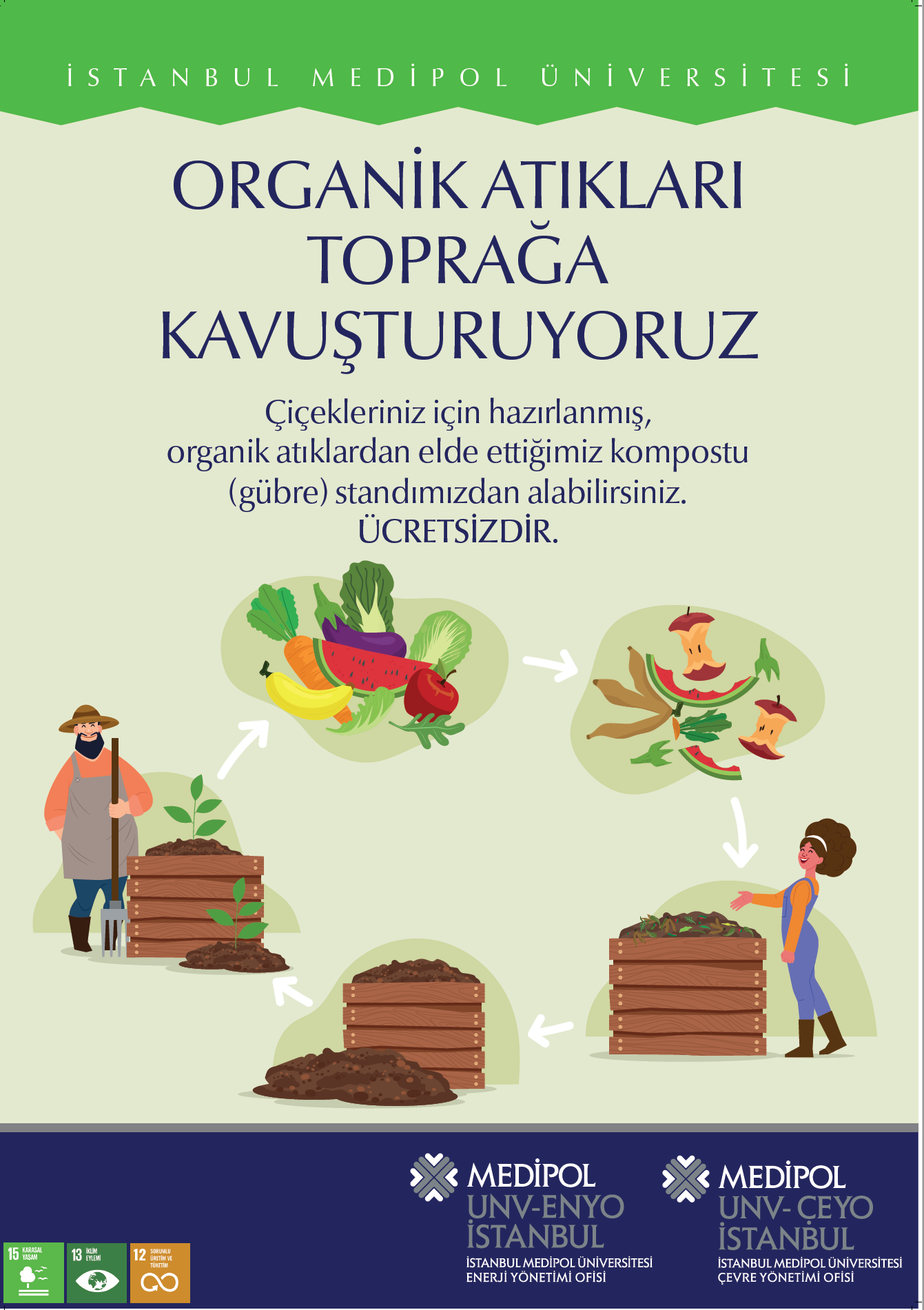
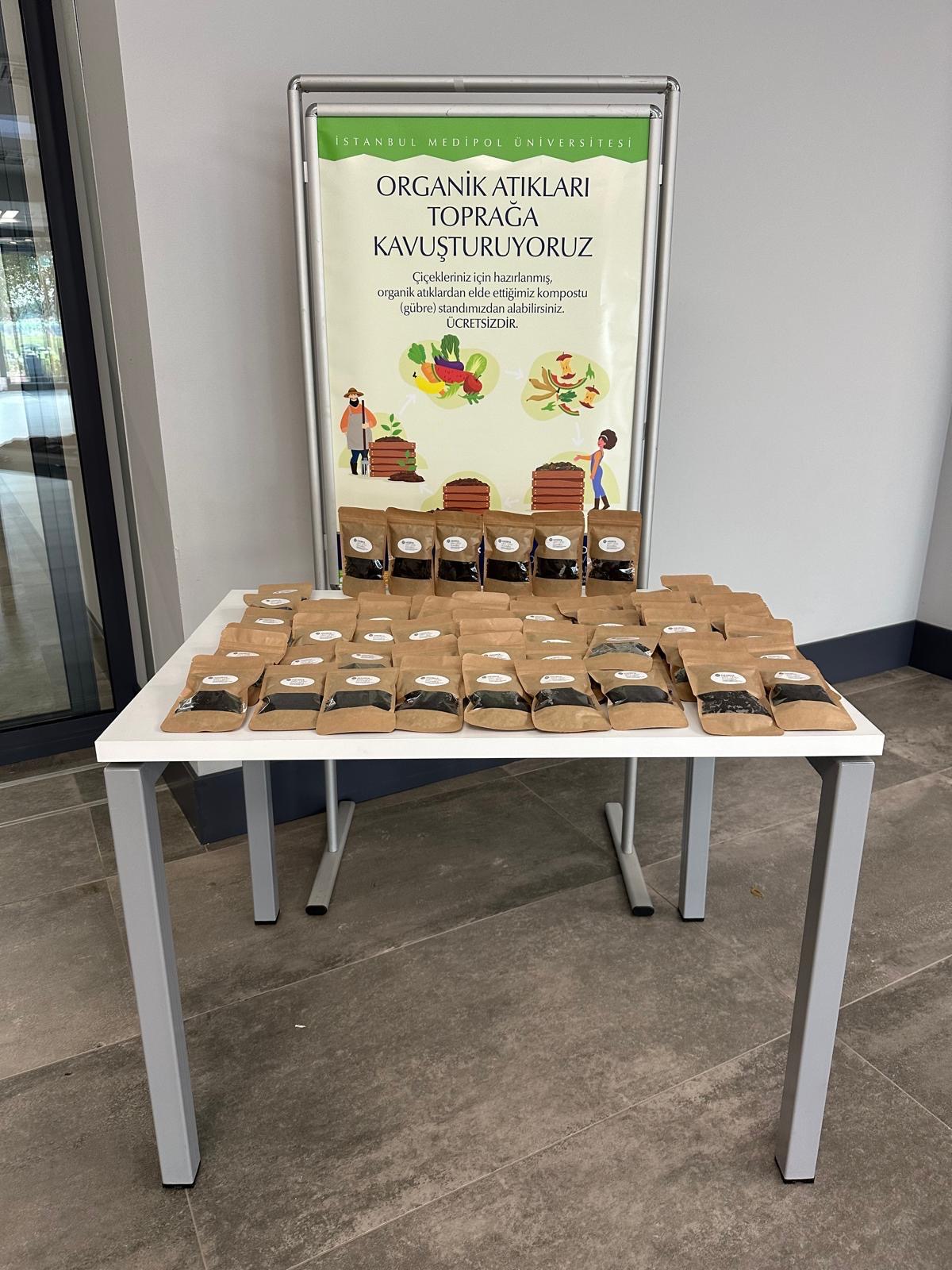
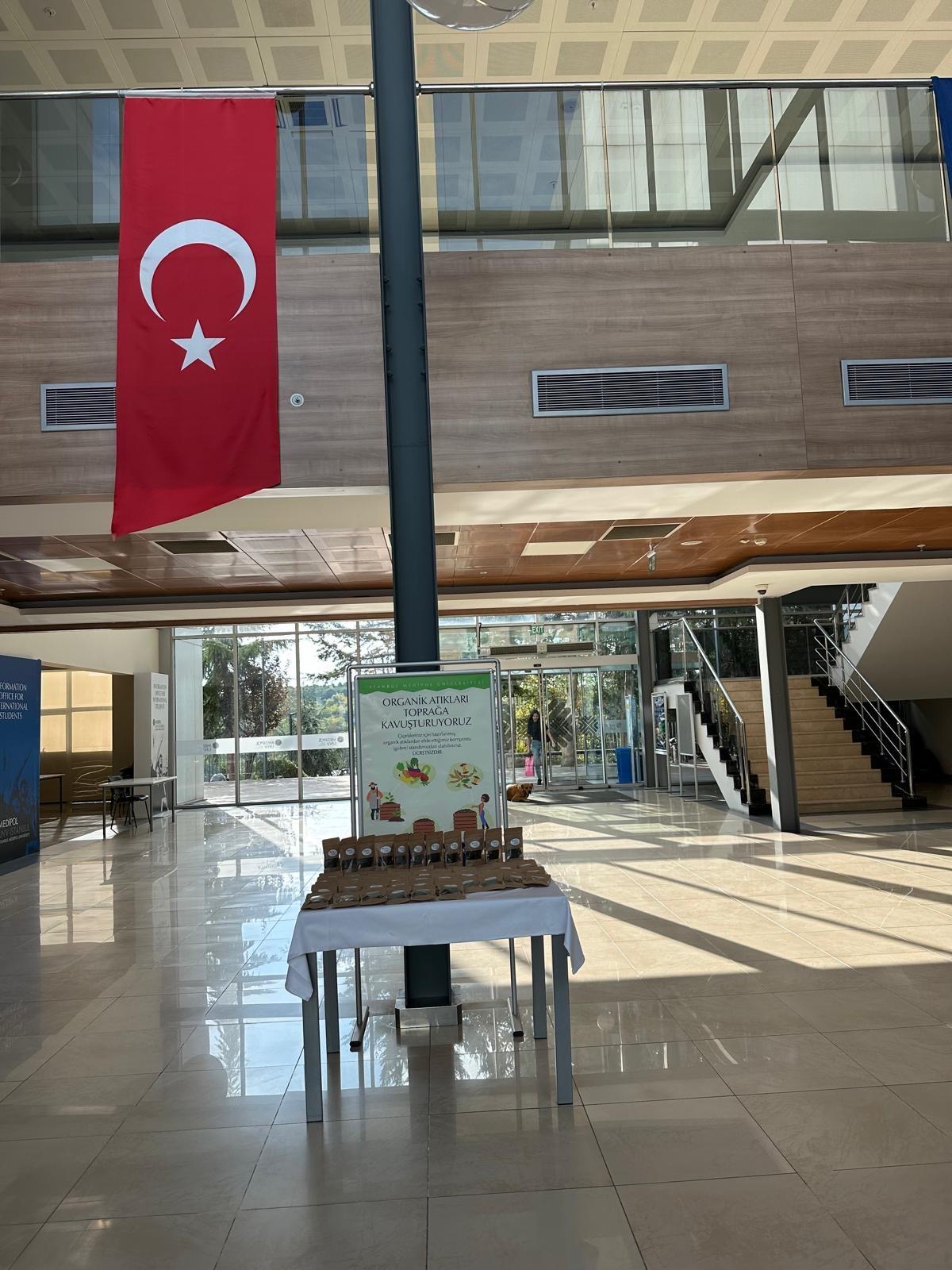
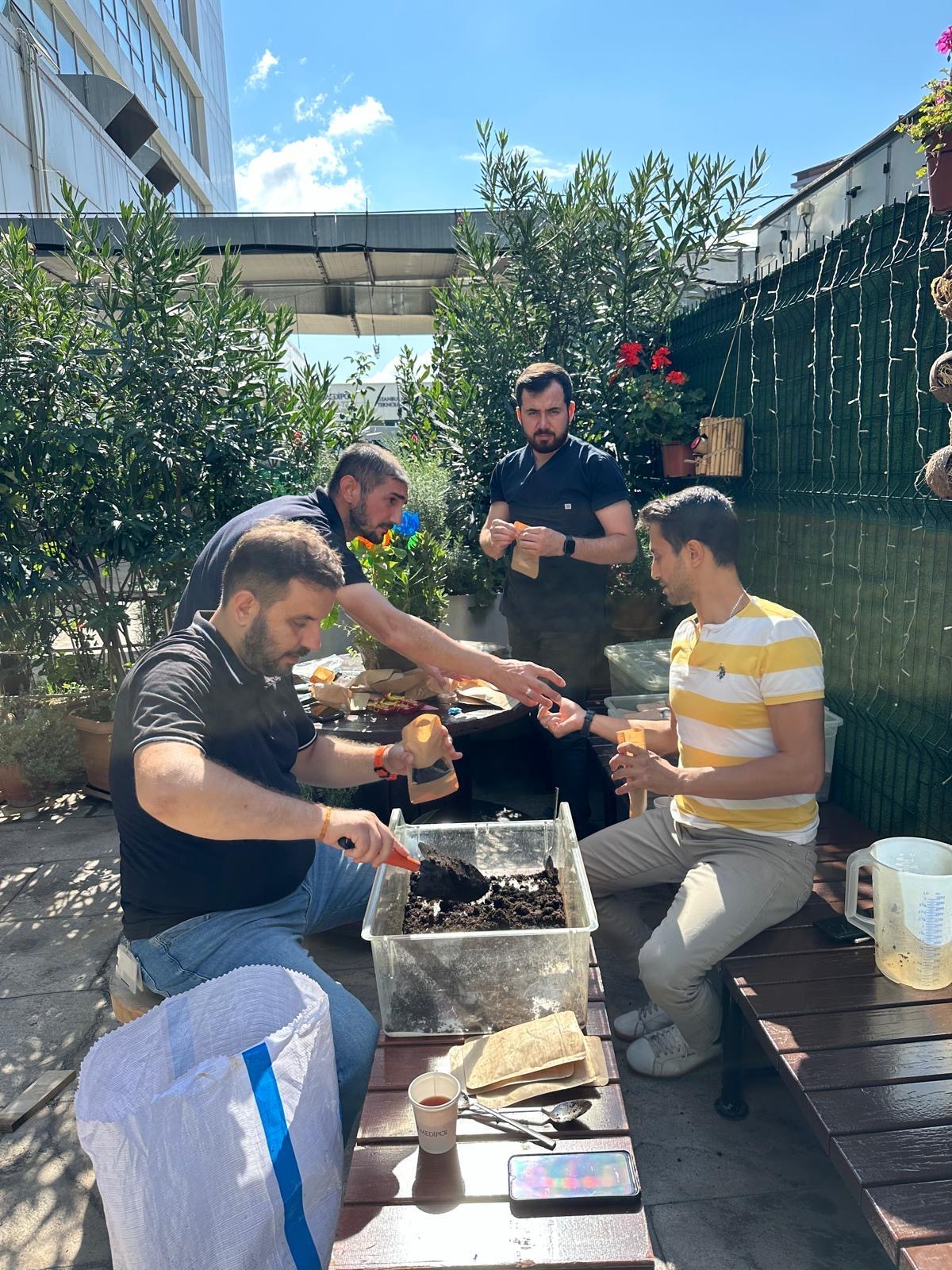
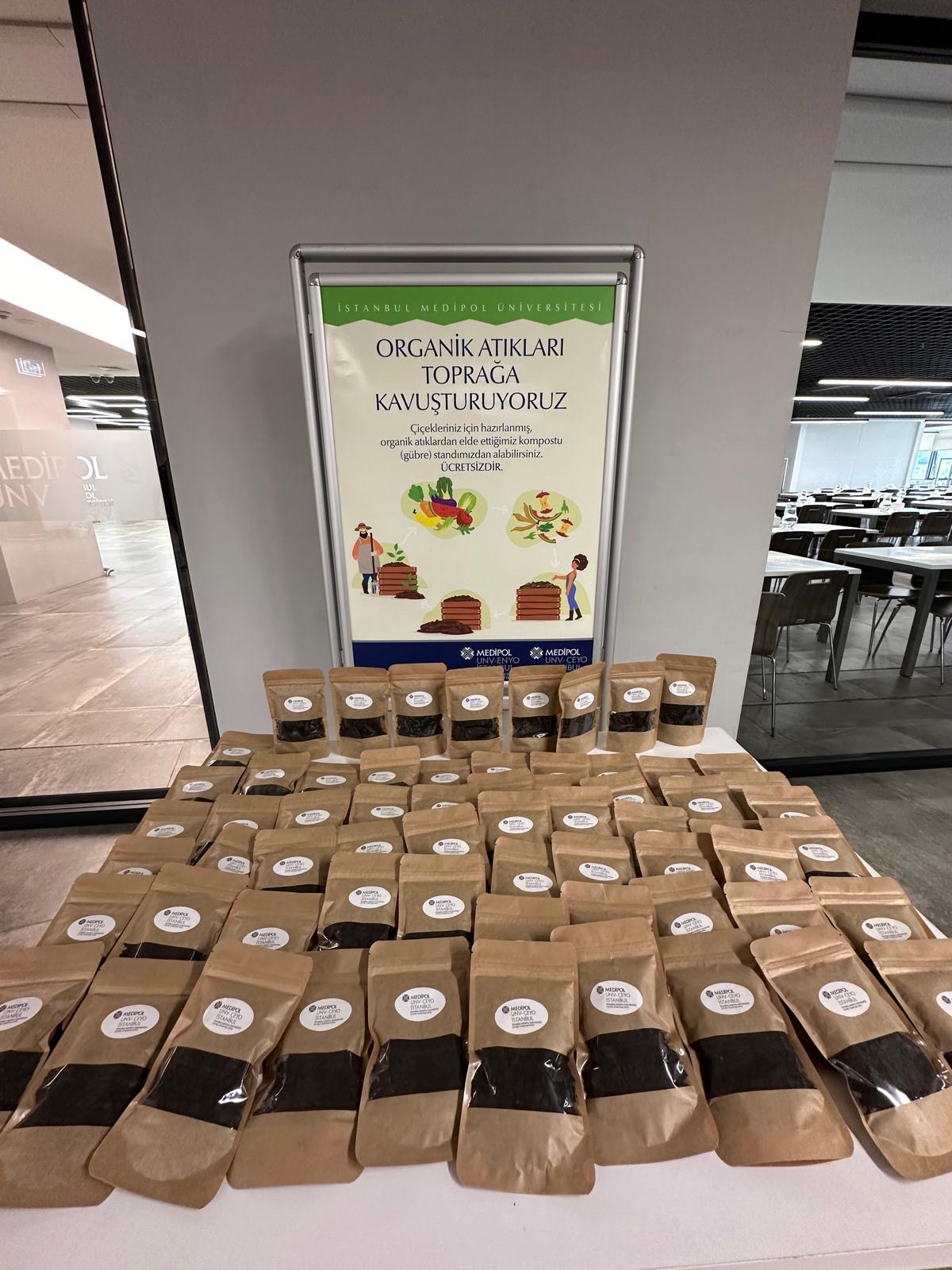
With the aim of contributing to nature and supporting sustainability, we are delighted to share the compost we have produced from organic waste with you, our valued employees, thanks to your contributions.
This compost, which we will distribute free of charge, will support the natural growth of your plants, enrich your soil, and contribute to the cycle of nature.
Medical Waste
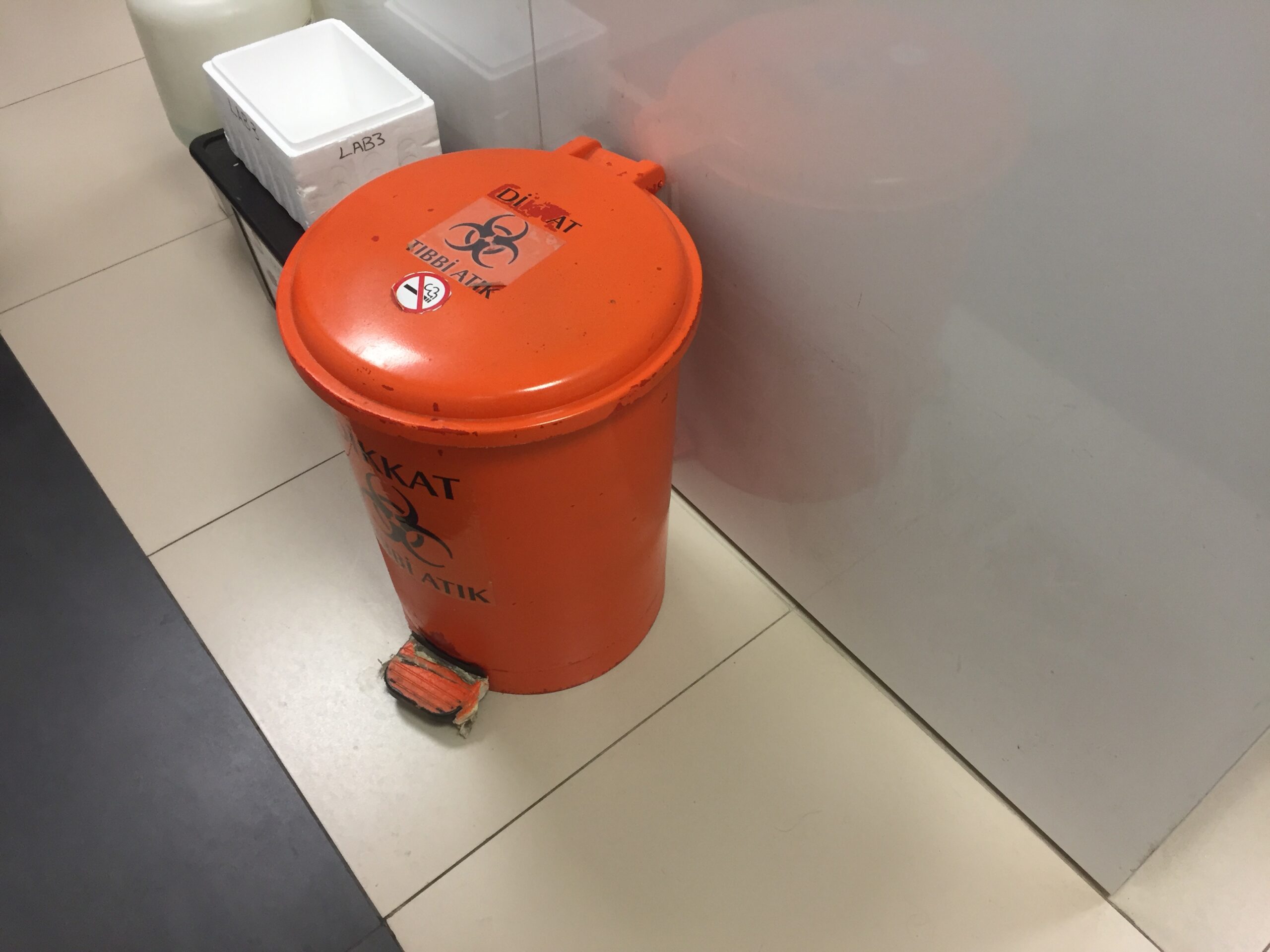
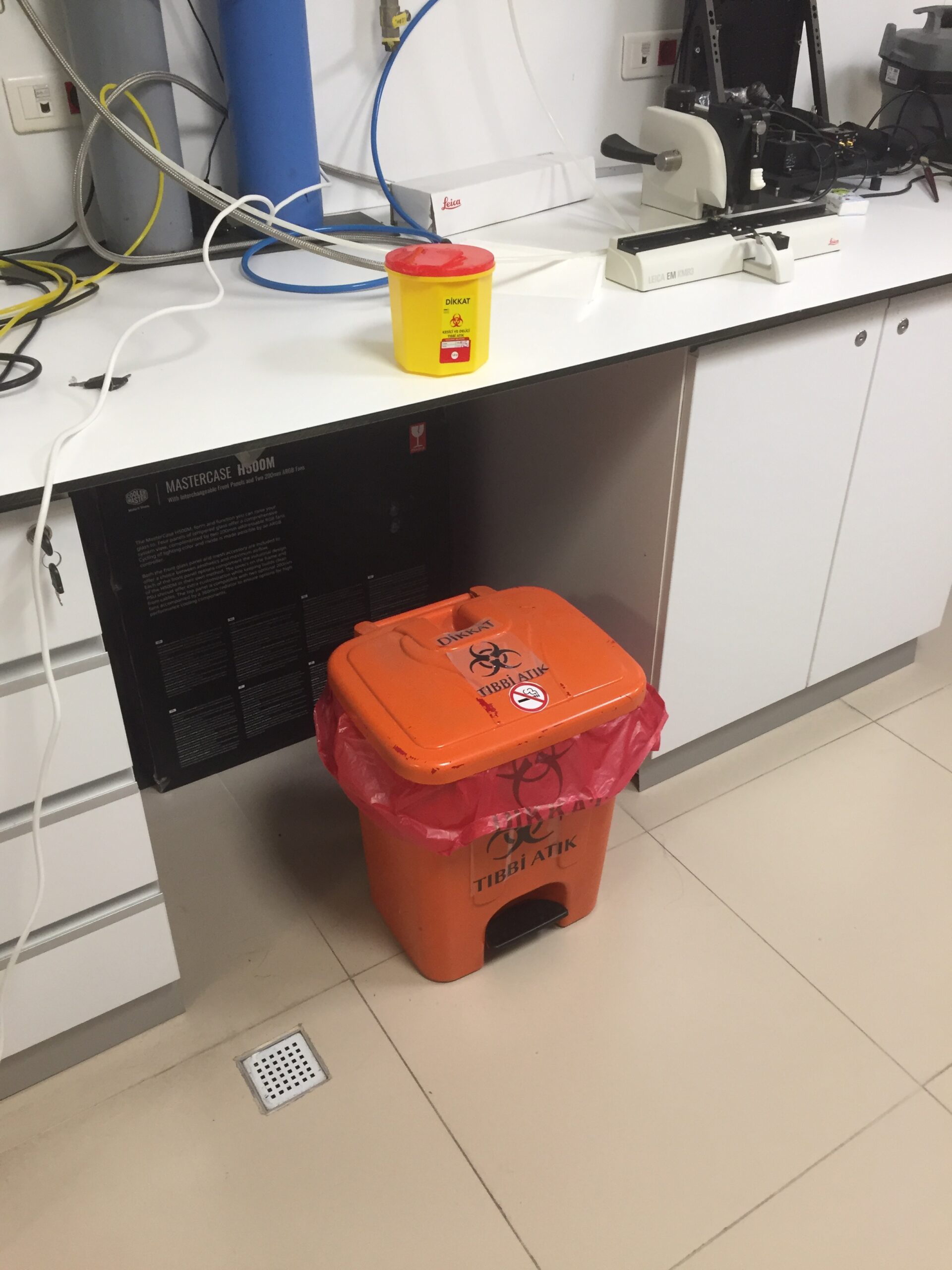
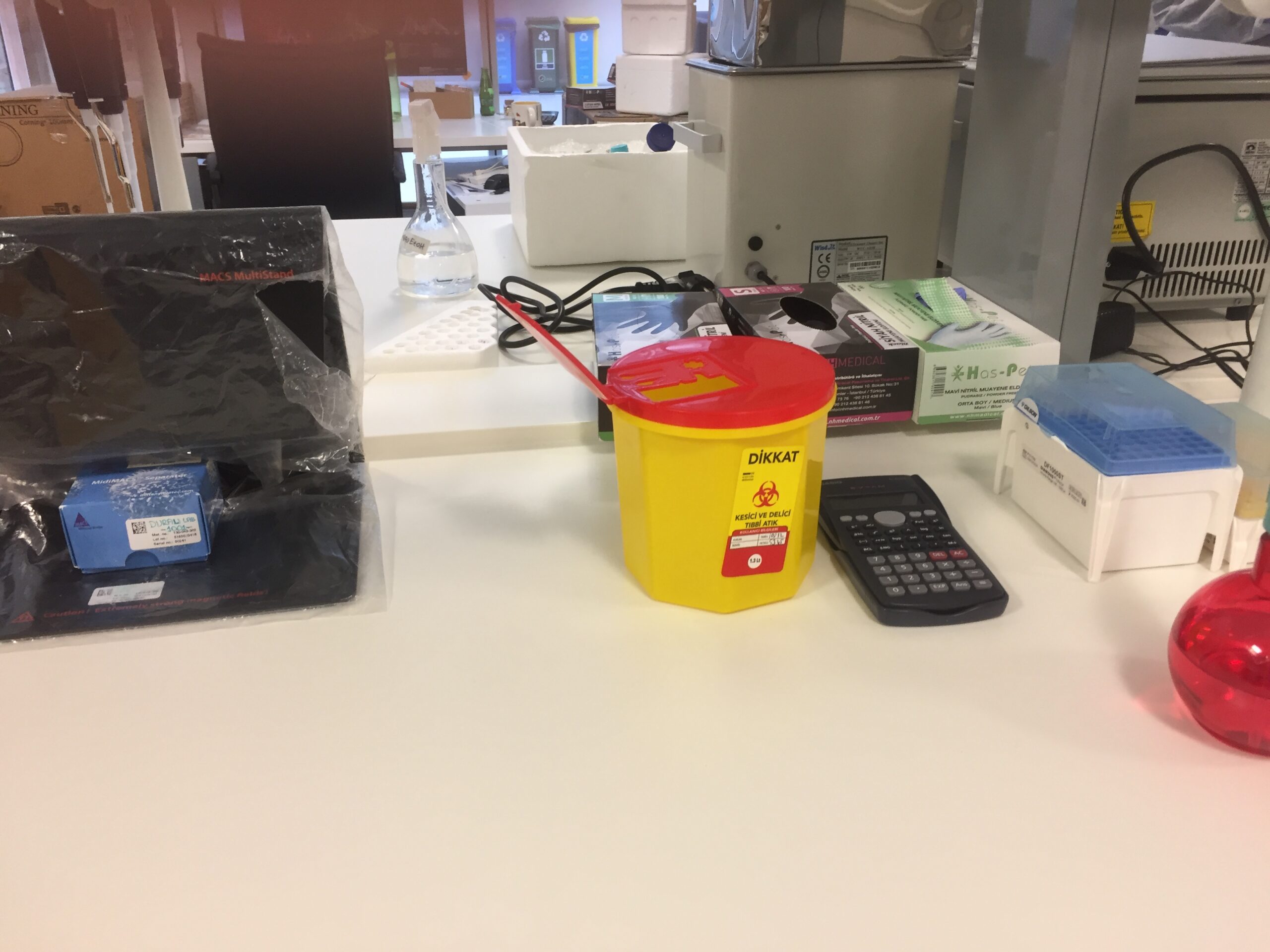
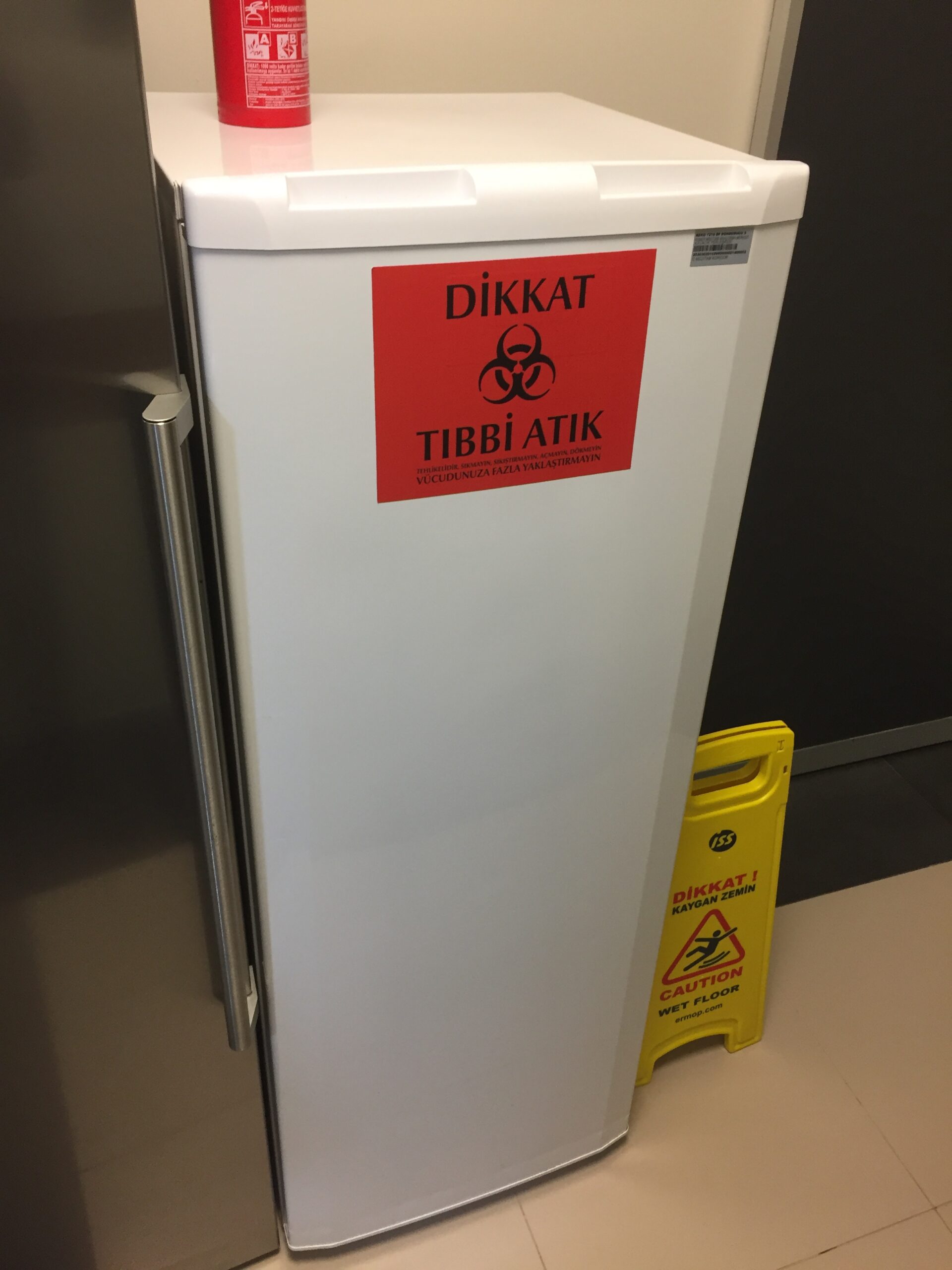
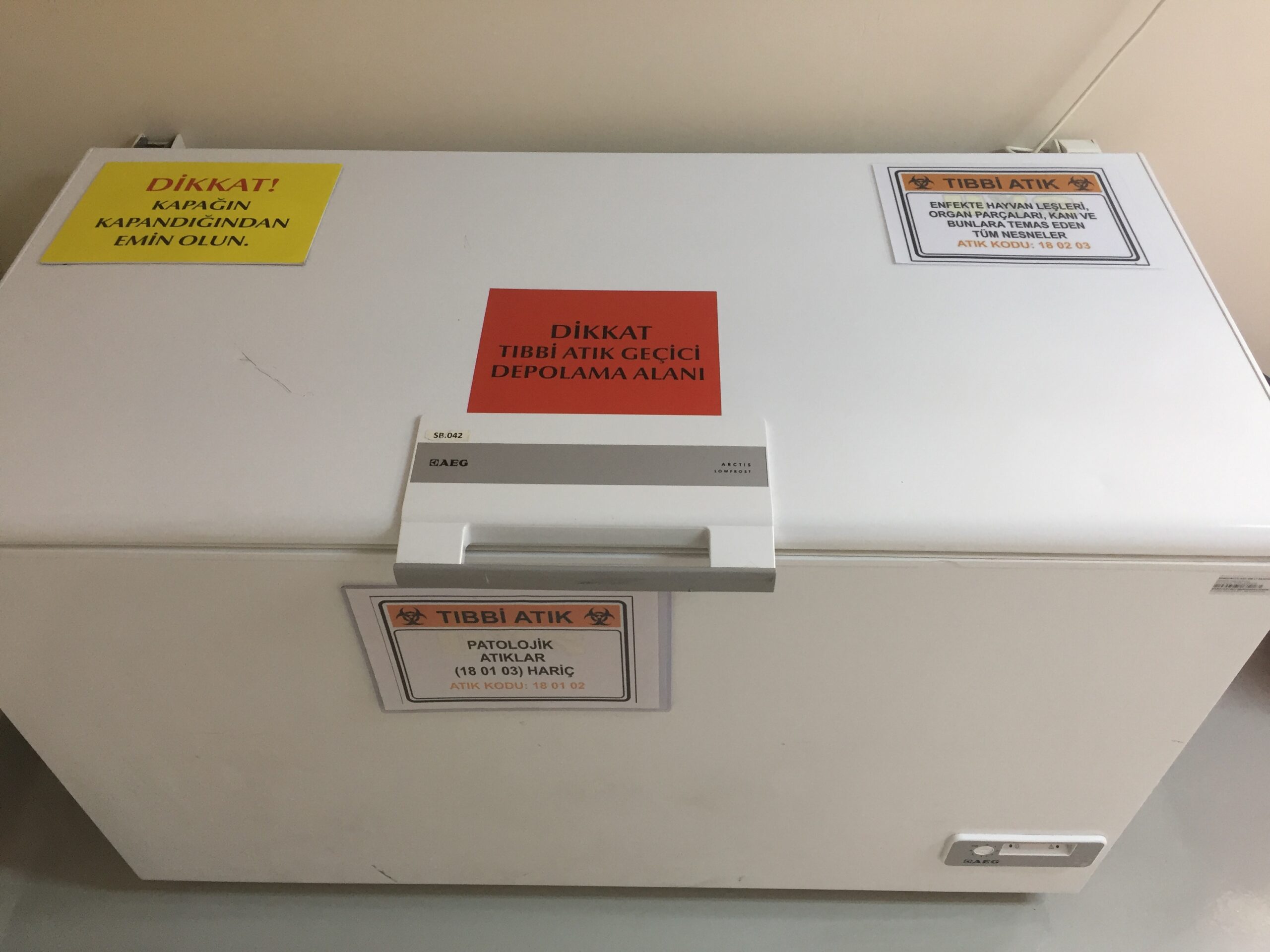
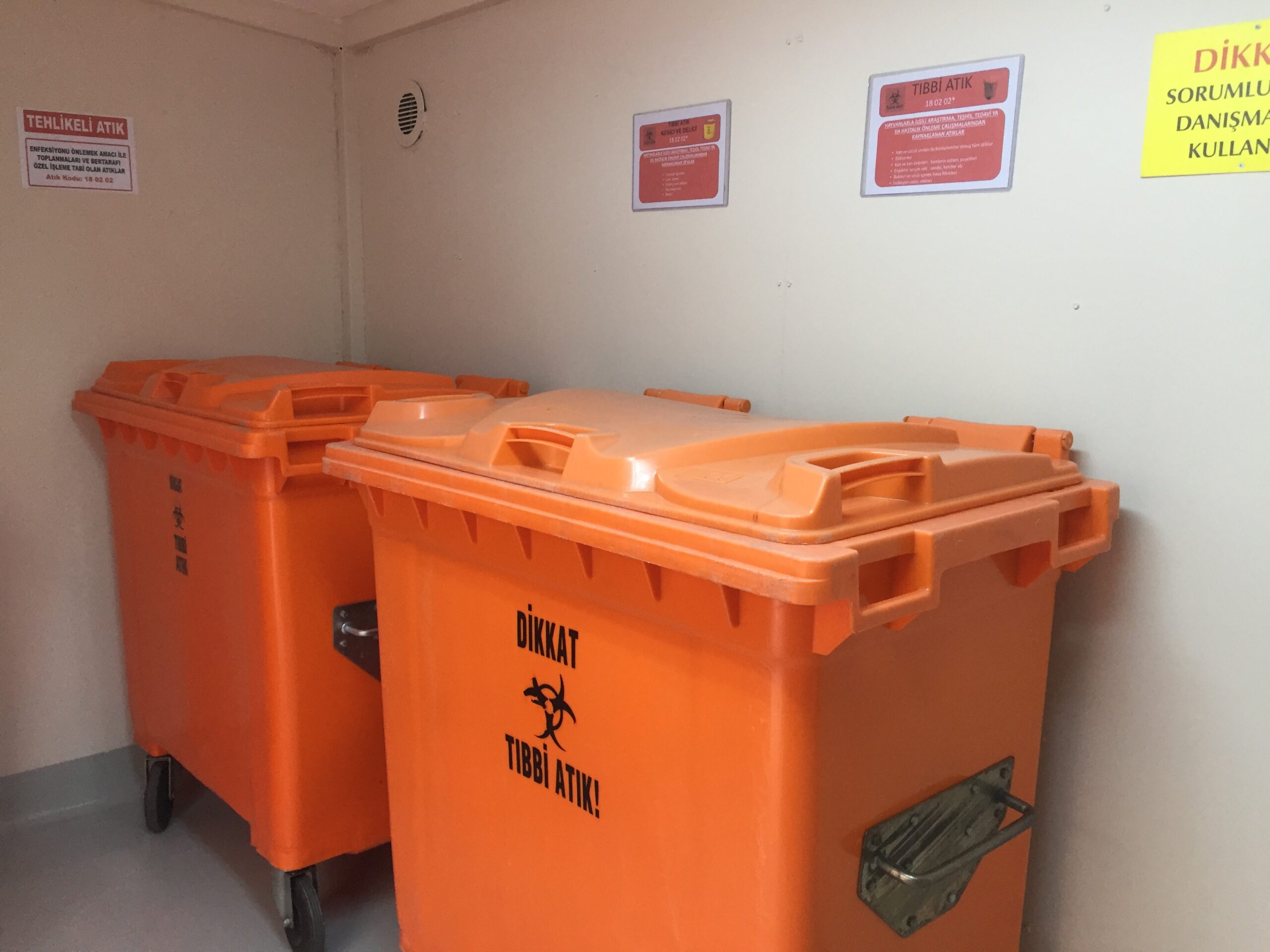
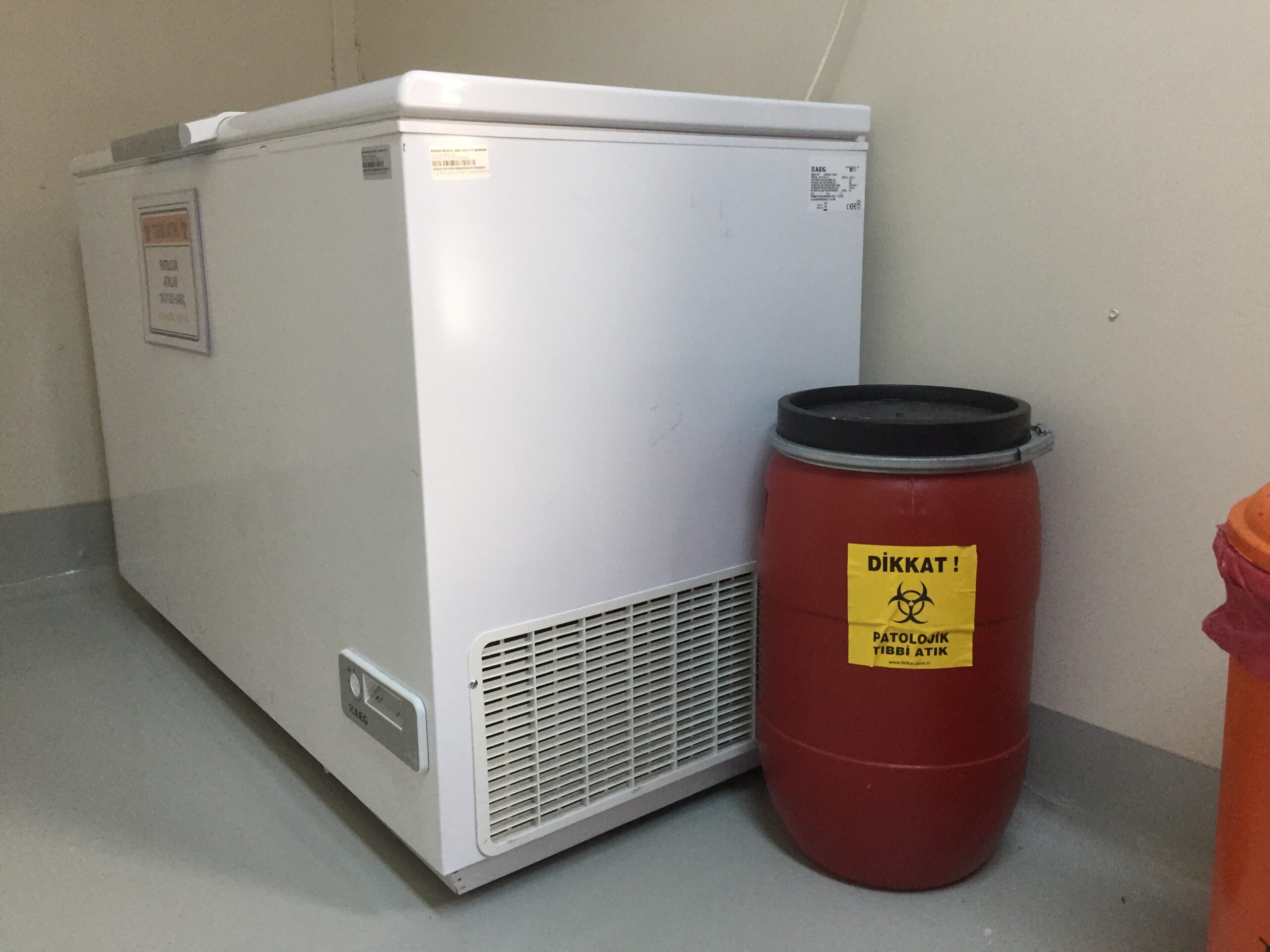
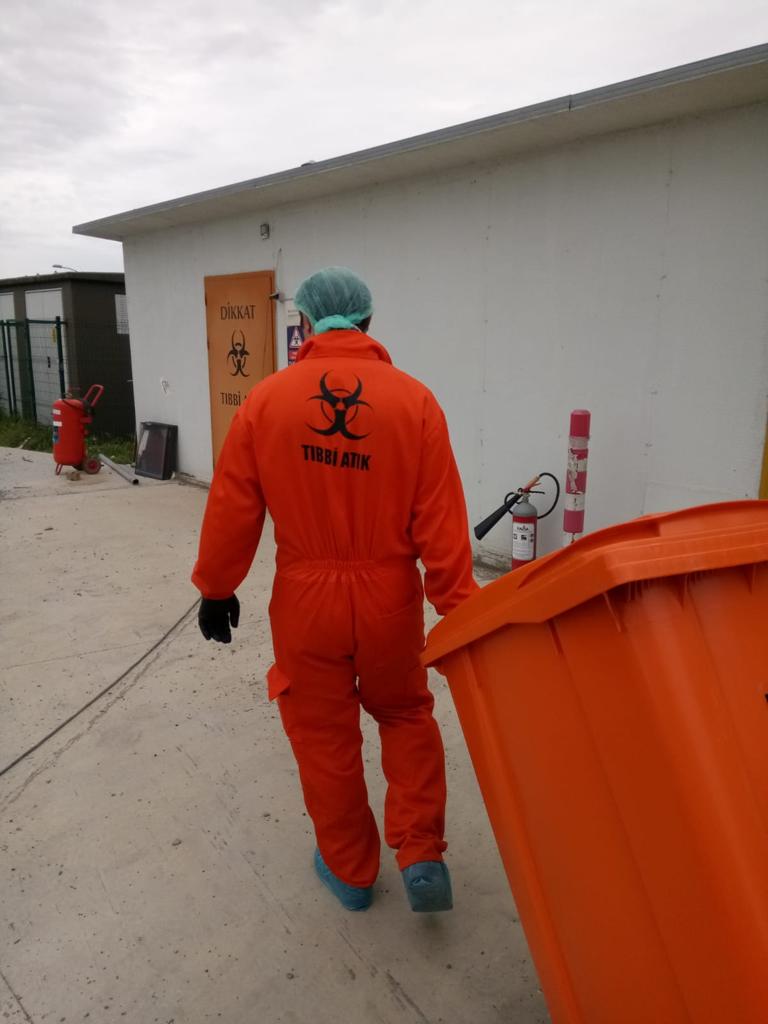
The proper management of medical waste, which inevitably arises in healthcare services and scientific research, is critically important for environmental and public health. Our university, conscious of this responsibility, meticulously implements medical waste management processes in accordance with legal regulations and international standards.
Medical waste management is carried out in all our units with a focus on protecting the environment and human health, and the process is carefully managed.
Medical waste is separated from other waste as soon as it is generated and collected in specially designed red medical waste bags and bins.
Medical waste is transported within our campus by authorized personnel in leak-proof and durable transport containers.
Medical waste is stored in our licensed temporary storage areas under conditions that comply with environmental and health standards.
Our university aims to minimize environmental impacts and contribute to public health through its commitment to medical waste management. With the support of all our stakeholders in these processes, we are working towards a cleaner and healthier environment.
Hazardous Waste
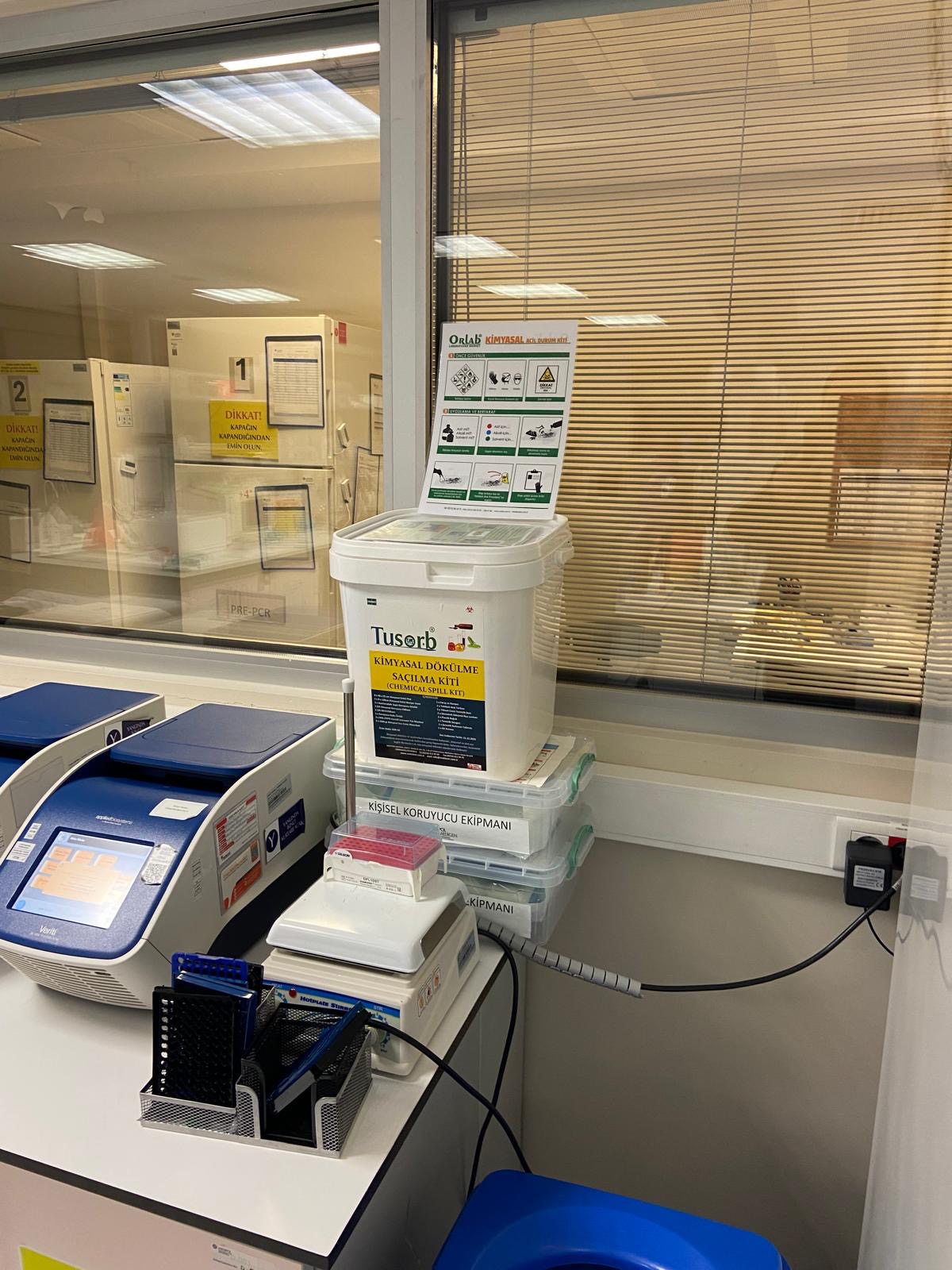
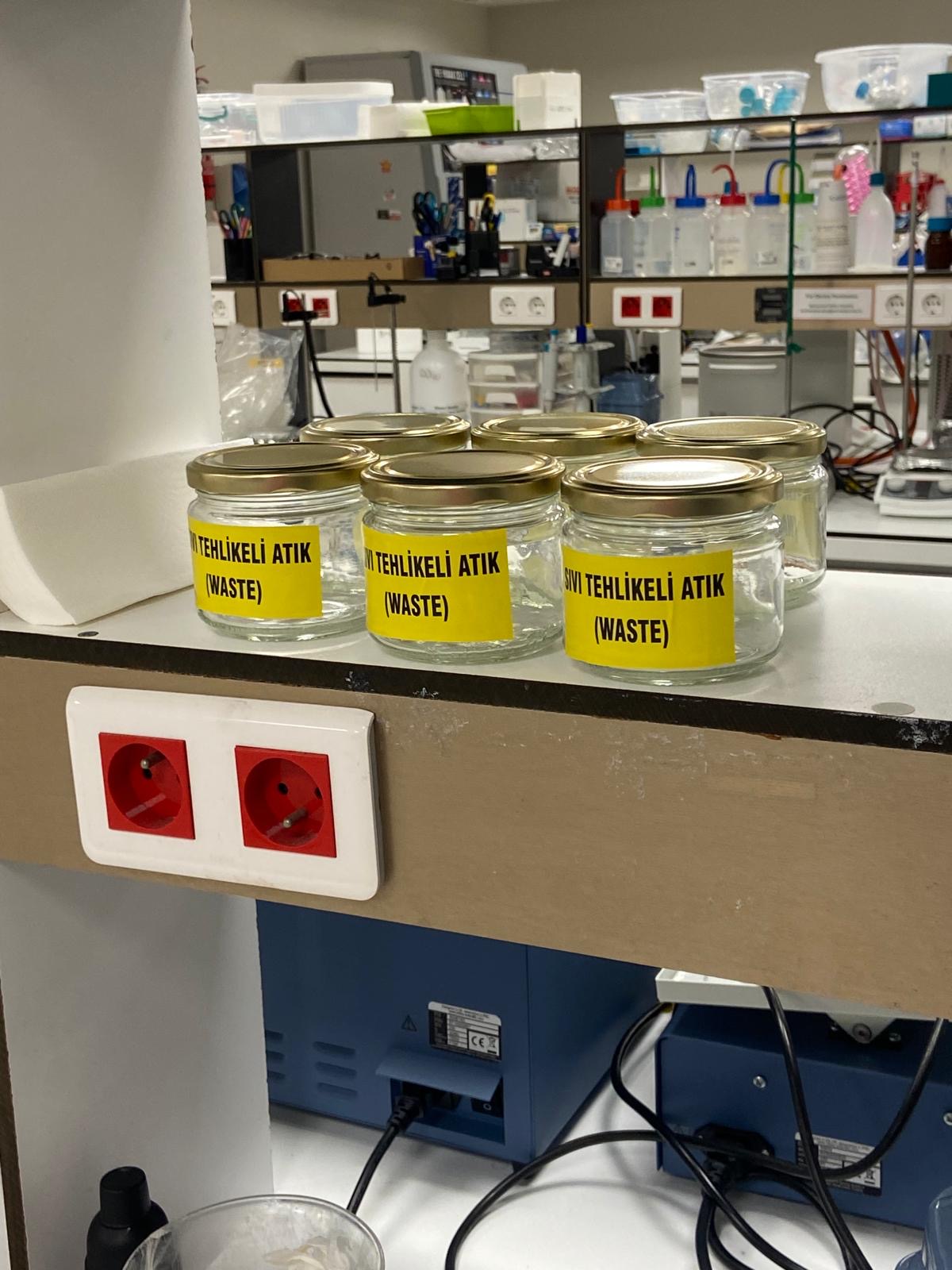
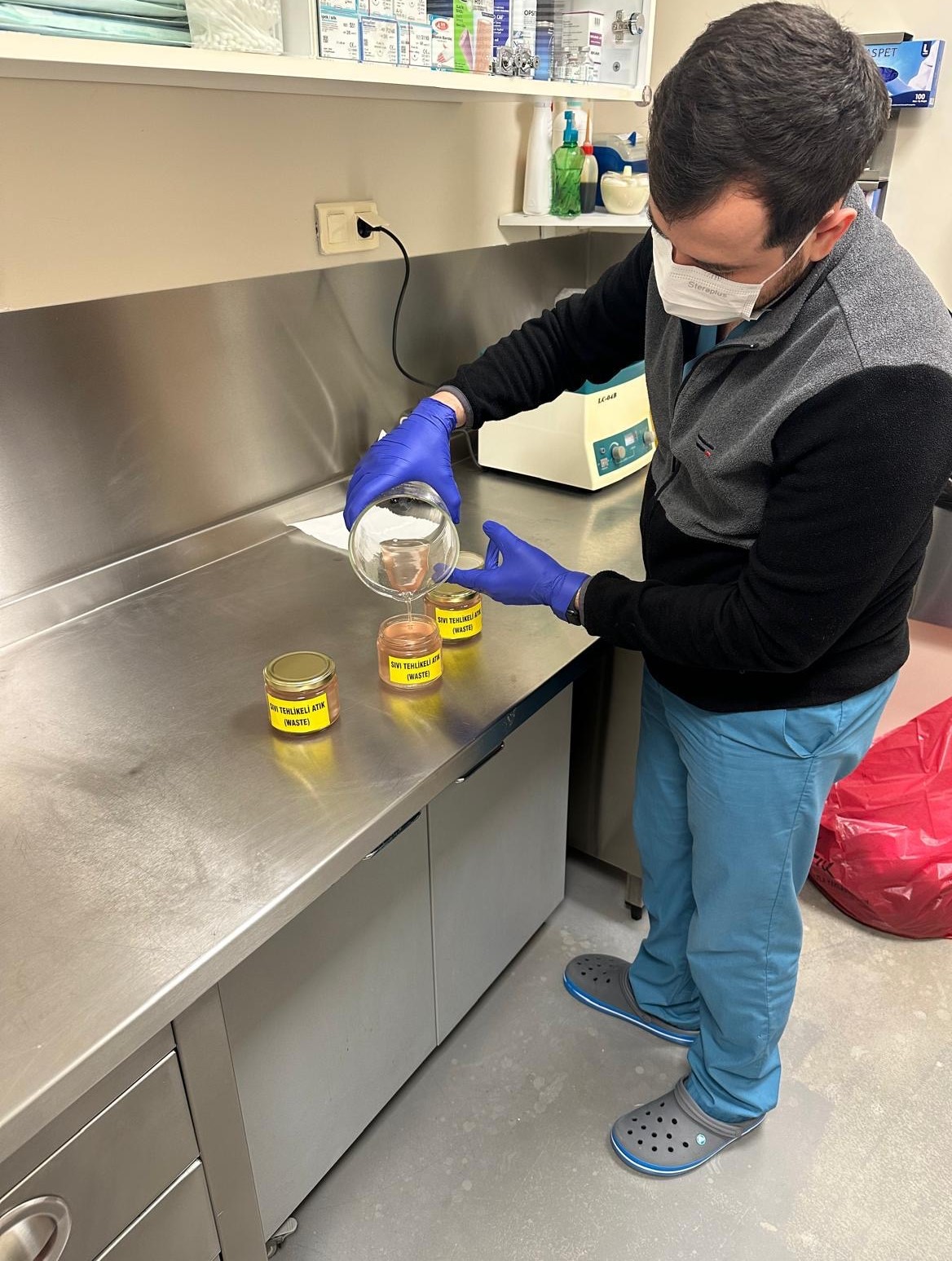
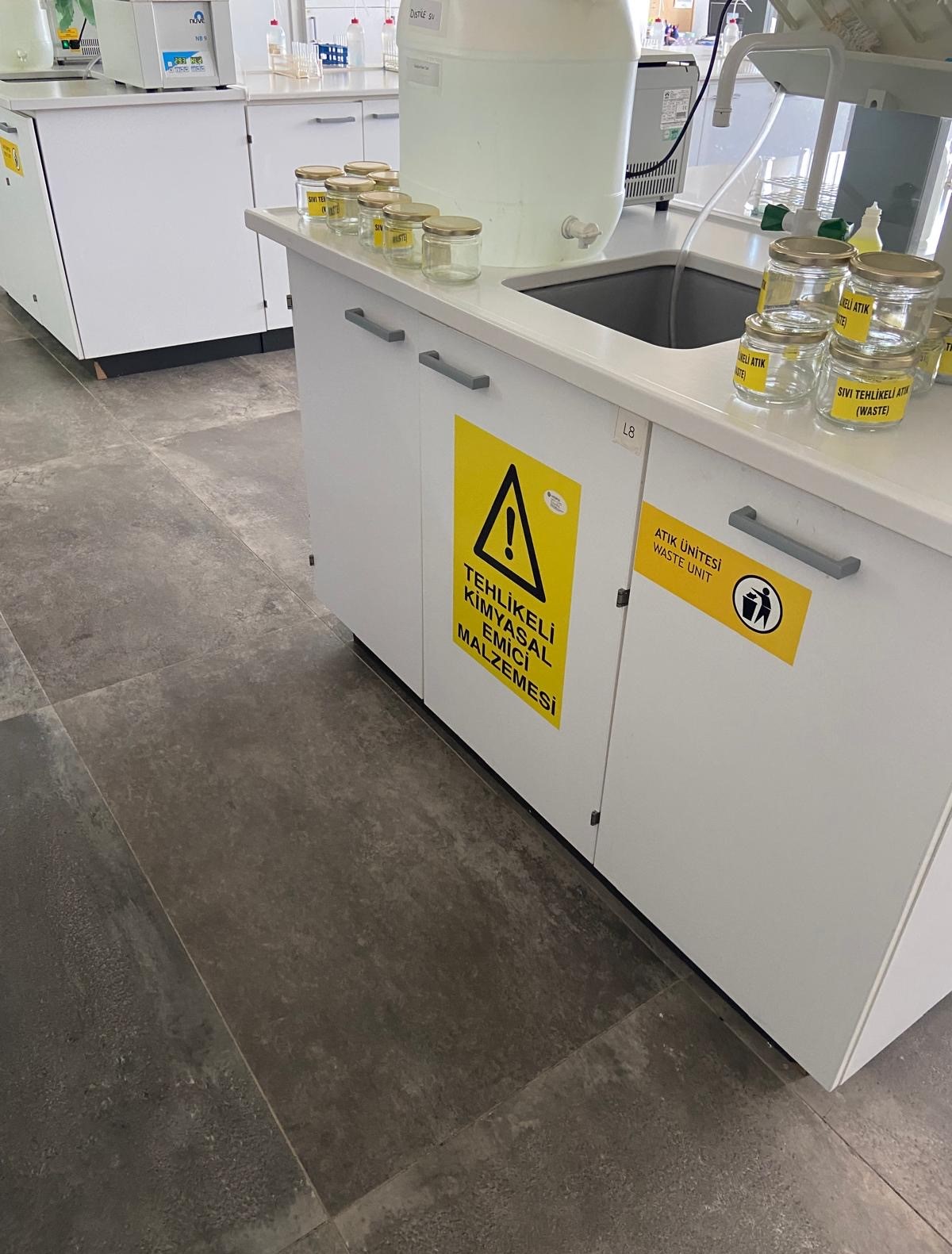
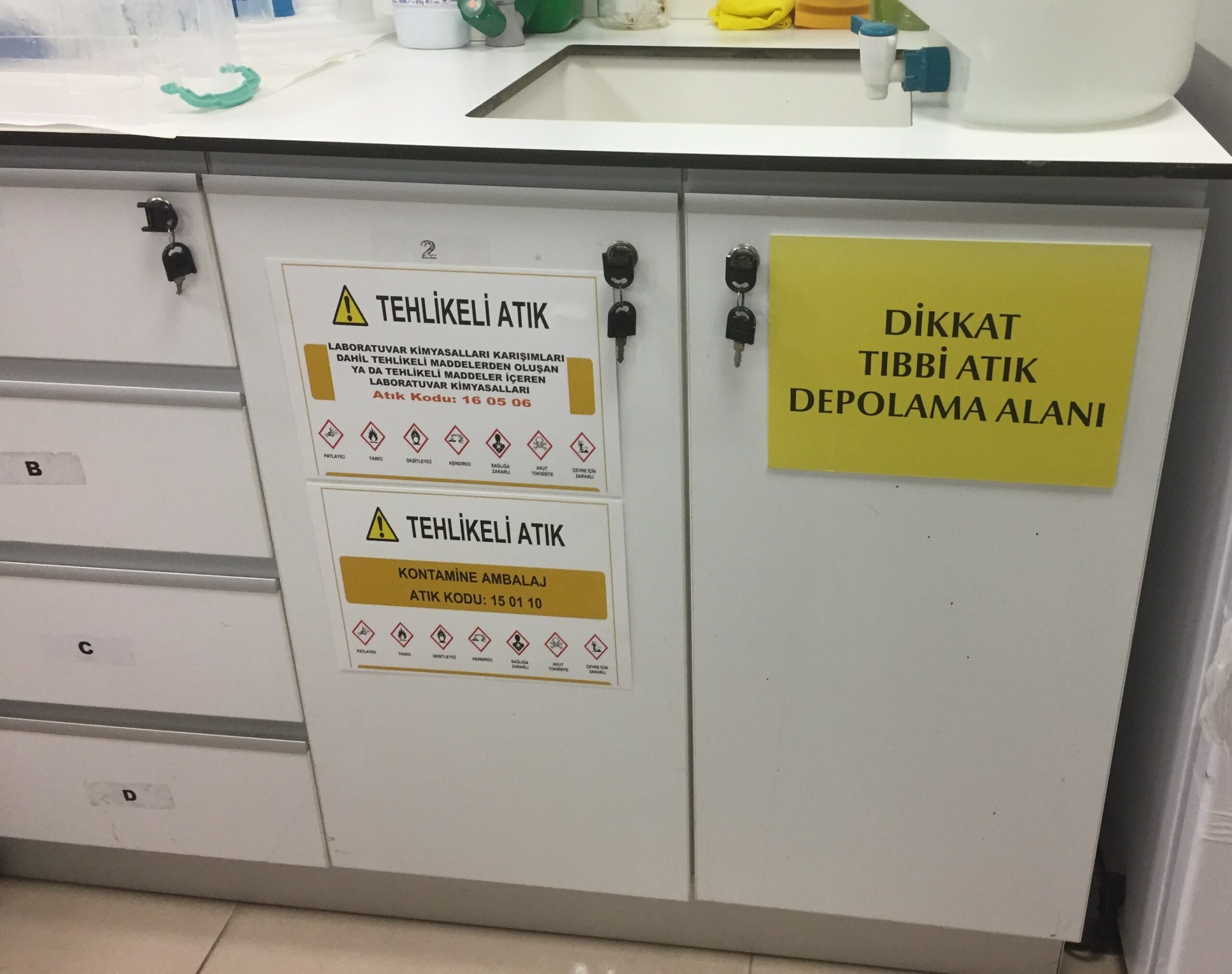
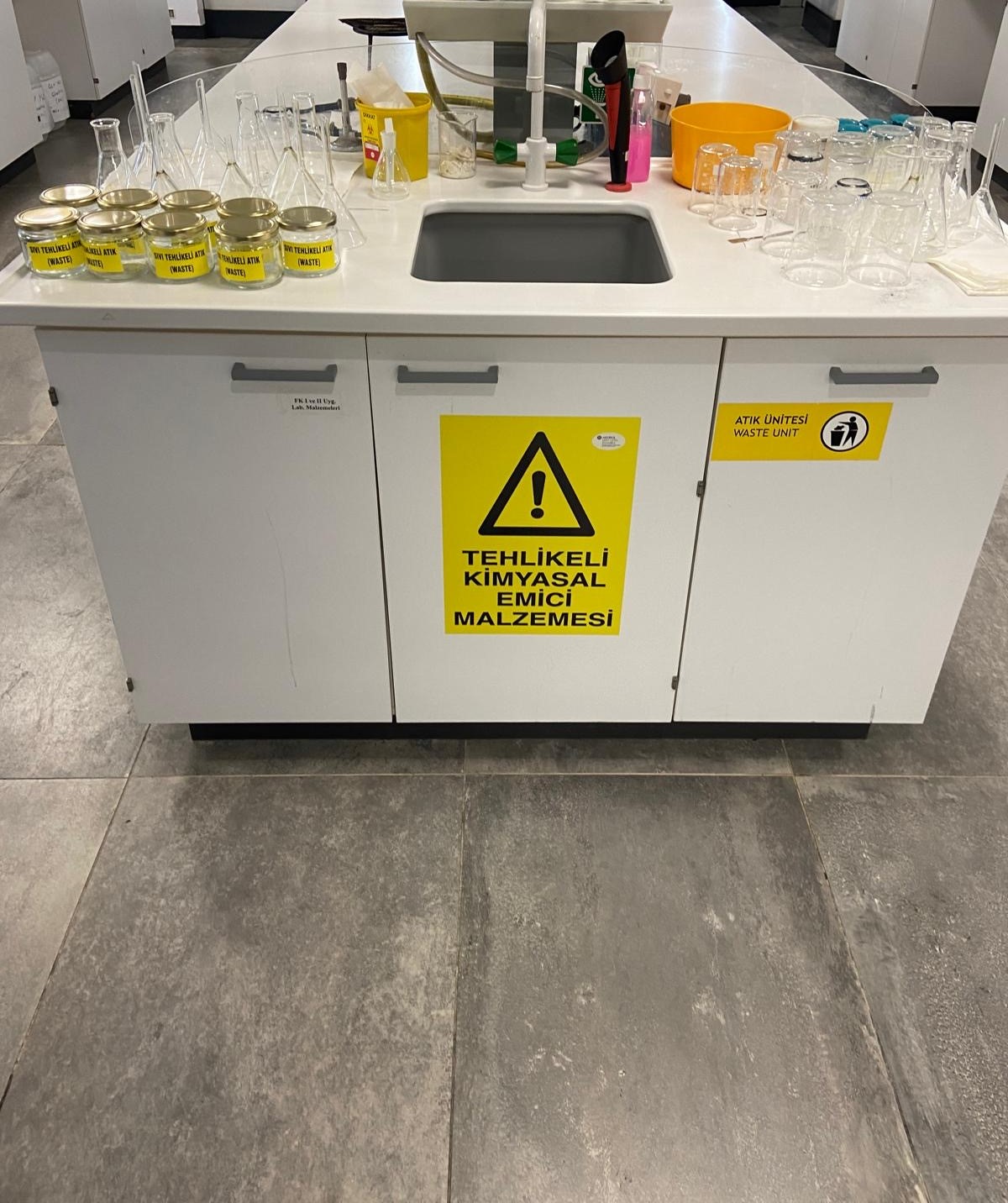
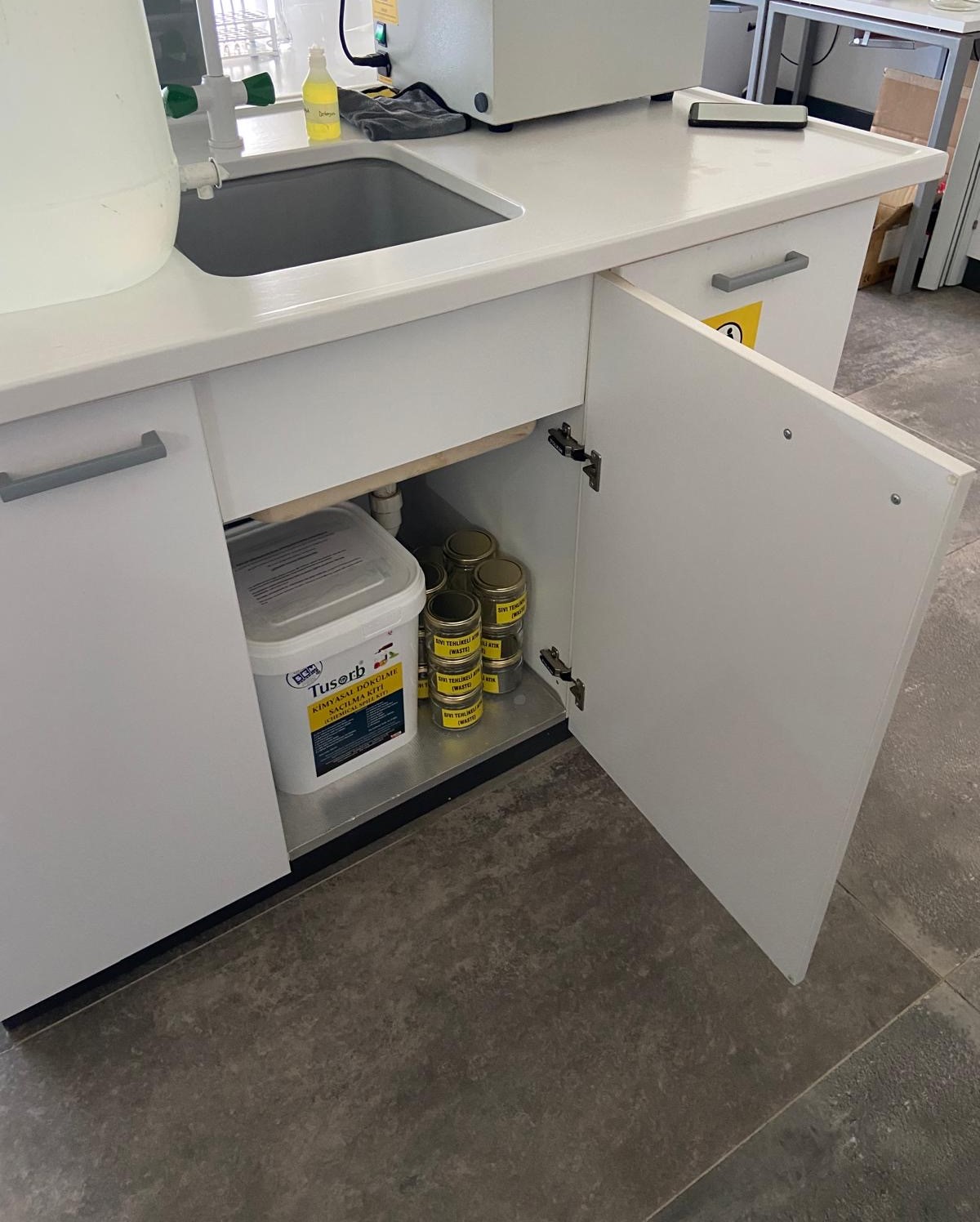
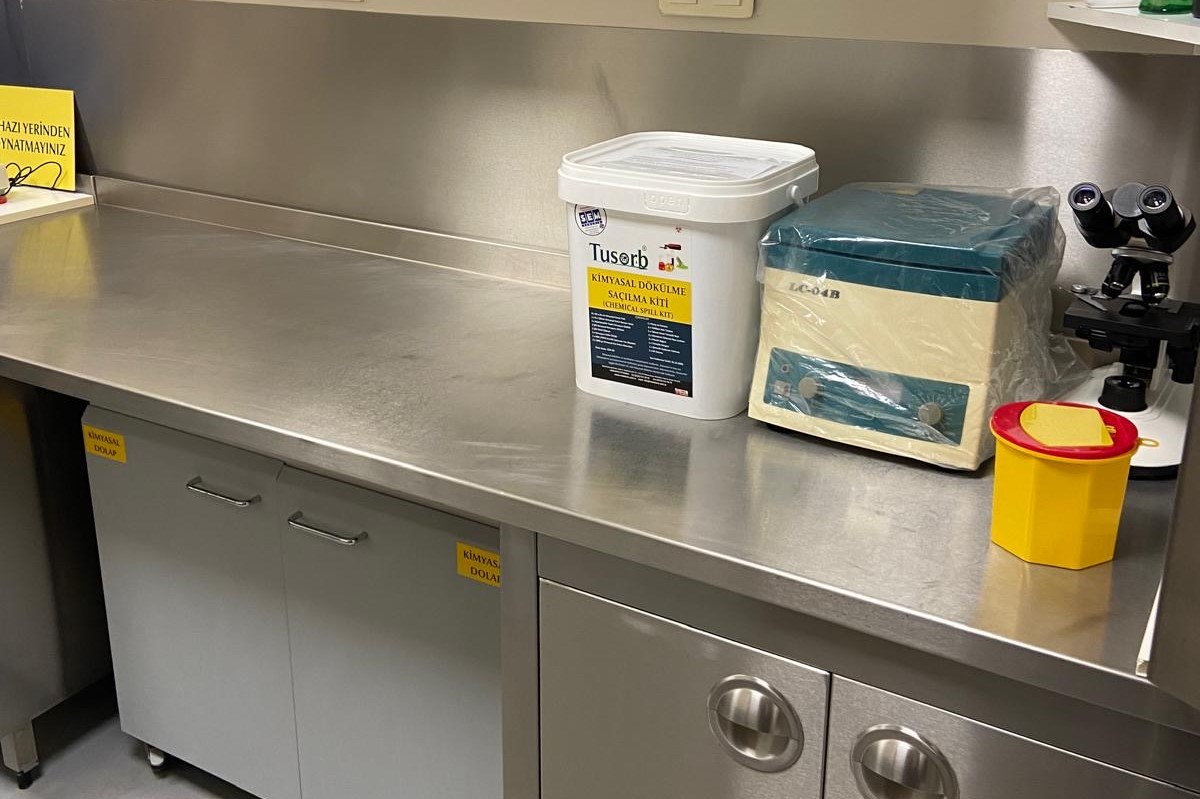
As an environmentally conscious institution, our university acts with the utmost sensitivity in the management of hazardous waste. The proper management of hazardous waste, which has the potential to harm the environment and human health, is among our priorities for a sustainable future.
Our university conducts its waste management processes in accordance with the Environmental Law and relevant regulations. We meticulously implement the following steps to prevent hazardous waste from harming the environment.
Hazardous waste is separated from other waste as soon as it is generated and stored in appropriate waste containers.
Hazardous waste is stored in our licensed temporary waste storage areas without the risk of leakage or harm to the environment.
The transportation and disposal of hazardous waste is carried out only through companies authorized by the Ministry of Environment, Urbanization, and Climate Change.
Our academic and administrative staff and students receive regular training and awareness-raising activities on hazardous waste management.