THINGS TO DO

Find a Goal 10 charity you want to support. Any donation, big or small, can make a difference!

Does everyone at your place of work have access to healthcare? Find out what your rights are to work. Fight against inequality.

Raise your voice against any type of discrimination. Everyone is equal regardless of their gender, race, sexual orientation, social background and physical abilities.

Run a voting registration campaign. One of the issues contributing to rising inequalities is caused by the lack of representation of minorities and underprivileged groups in government. You can run a voting registration education in these groups to raise their engagement and representation in institutions of power.

Visit local shelters, orphanages or minority community centers and organize a conversation space to discuss the importance of these rights or volunteer there regularly.

Support migrants and refugees in your communities. Volunteer in a local refugee camp. Gather or donate the appliances, food, clothes needed.

Favor companies that are inclusive. Check the lists of the companies that are inclusive for different minorities through employment there or their products.

Stay informed. Follow your local news and stay in touch with the Global Goals online or on social media at @TheGlobalGoals.
2024 Report

2024 Report Poster
SHOW REPORT

Istanbul Medipol University‘s Commitment to SDG 10

Reduced Inequalities

Istanbul Medipol University is committed to promoting equity, diversity, and inclusion by reducing inequalities within its academic community and contributing to a more just society. Guided by SDG 10, the University ensures inclusive policies, equal access to education, and support systems tailored to the needs of individuals from disadvantaged or underrepresented groups.

Medipol provides scholarship opportunities, guidance services, and inclusive academic practices to ensure equitable access to higher education for students from diverse socioeconomic, cultural, and demographic backgrounds. Specific support mechanisms assist international students, students with disabilities, and individuals at risk of social exclusion.

The University adopts fair employment practices, inclusive decision-making, and equal opportunity policies to foster an equitable working environment for academic and administrative staff. Training programs, awareness activities, and institutional guidelines promote equality, diversity, and anti-discrimination across all units.

Through research, academic programs, and community engagement projects, Medipol contributes to public awareness, policy development, and evidence-based solutions addressing inequalities within society. Interdisciplinary studies explore themes such as migration, social justice, disability inclusion, youth integration, and economic disparities.

Student clubs, volunteer networks, and social responsibility initiatives play an active role in reducing inequalities through community outreach, advocacy, and collaborative projects with NGOs, municipalities, and government bodies. These efforts support underprivileged groups and promote social integration.

By integrating SDG 10 principles into education, institutional policies, and social contribution initiatives, Istanbul Medipol University affirms its commitment to fostering an inclusive, equitable, and socially resilient community for all.

Accessible Accommodation Policy

Dormitory
Dormitory

Image
Image
Image
Image
Image
Image

Istanbul Medipol University guarantees inclusive and safe housing opportunities for all students, particularly those with disabilities, under its institutional Policy for Students With Disability. Dormitories are designed and managed so students with physical, visual, or hearing impairments can live comfortably and independently and fully participate in campus life.

All dormitory buildings meet national accessibility standards and align with the United Nations Sustainable Development Goals (SDG 10 and SDG 11). Key accessibility measures include:

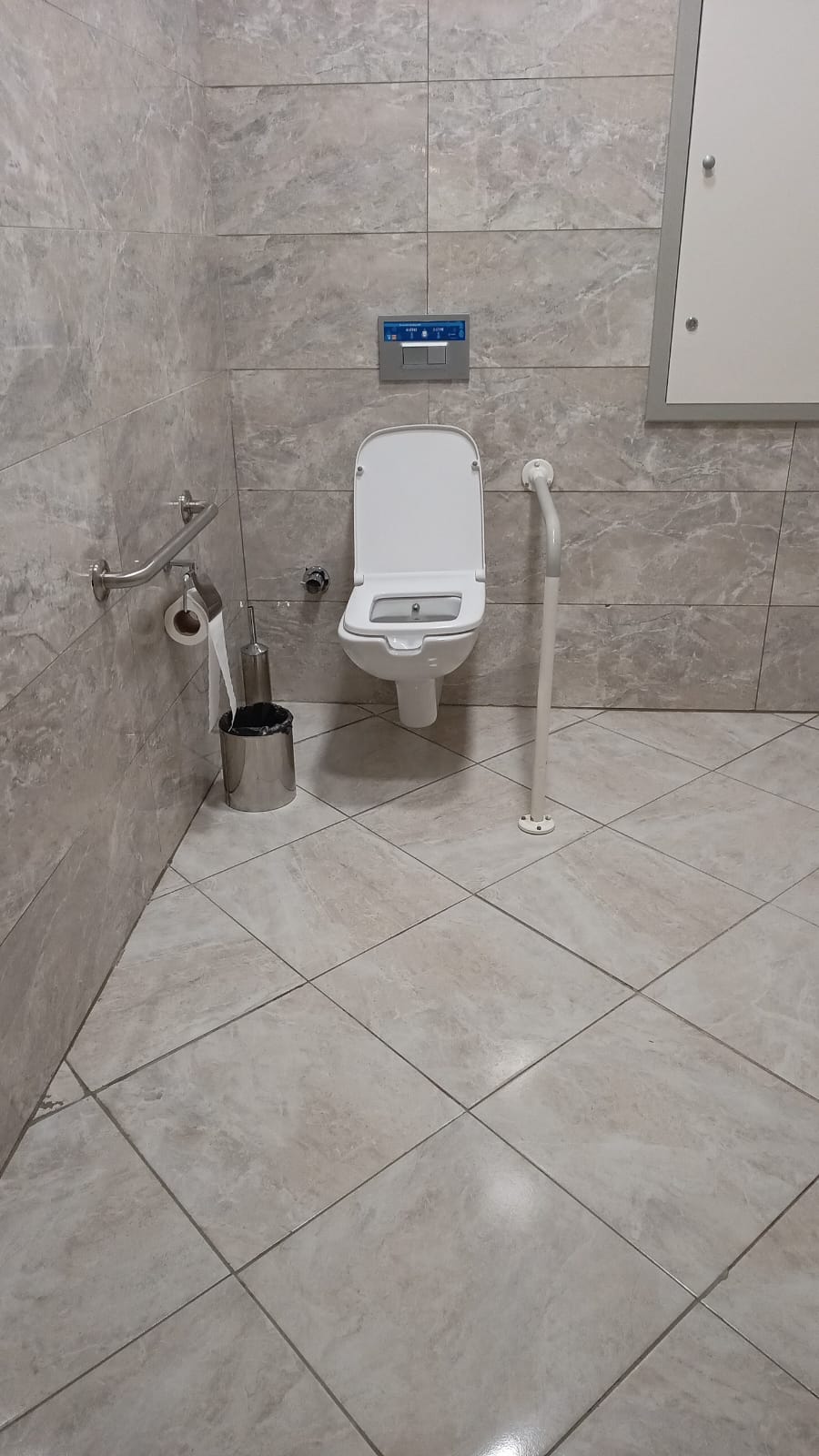
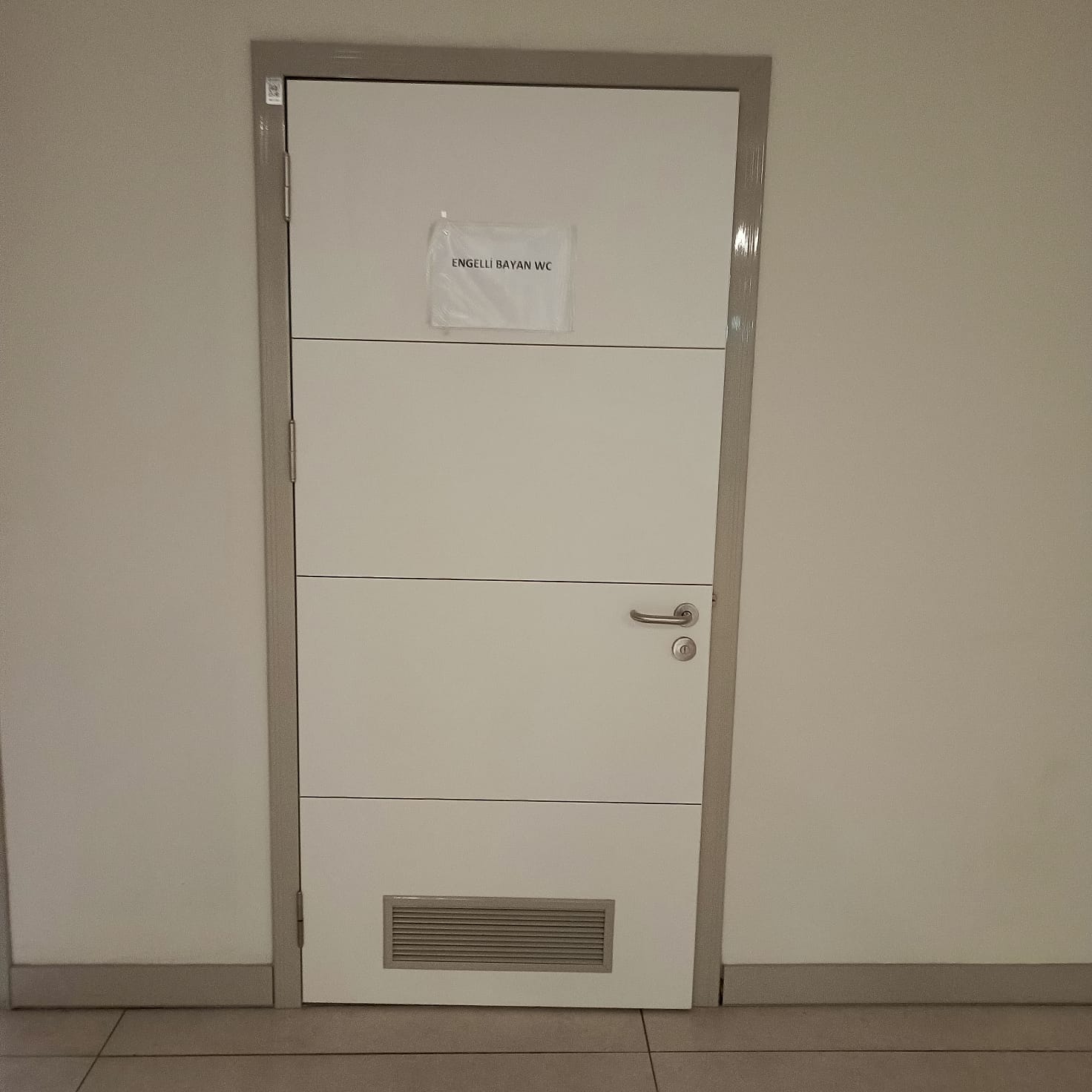
  • Accessible Dormitory Rooms: Specially designed rooms with widened doorways, lowered switches, and accessible bathrooms equipped with grab bars and emergency cords.
  • Ramps and Elevators: Barrier-free ramps and elevator systems connect all residential blocks, ensuring easy movement between floors and communal spaces.
  • Emergency and Safety Systems: Visual and auditory alarm systems, emergency exit lighting, and evacuation protocols designed for students with limited mobility or hearing impairments.
  • Common Areas and Social Facilities: Study lounges, cafeterias, prayer rooms, and laundry areas include barrier-free entryways and adjustable furnishings suitable for wheelchair users.
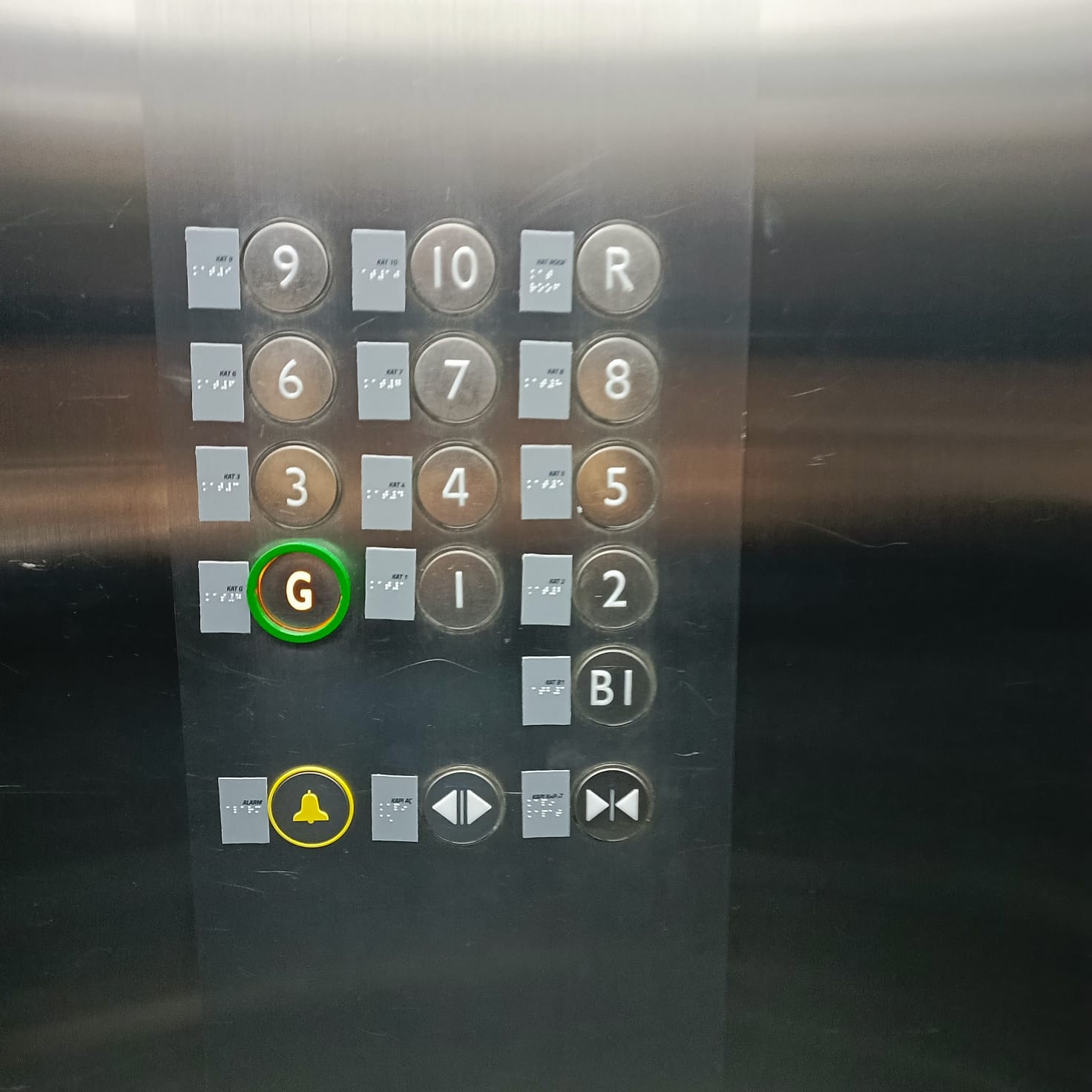
  • Information Accessibility: Directional signage with Braille labeling and tactile surfaces to help visually impaired students navigate safely.

These arrangements are periodically reviewed through Accessibility Audit Reports conducted by the Rectorate and administrative units. Annual findings guide design adjustments and renovations, demonstrating Medipol’s continuous commitment to universal accessibility.

Office of Students with Disability plays a central role in monitoring dormitory accessibility and addressing student needs promptly. Requests for additional equipment—such as wheelchairs, portable ramps, or ergonomic furniture—are fulfilled within days.

Through these efforts, Istanbul Medipol University ensures that student housing is not merely accommodation but an inclusive, safe, and empowering environment for all. Every student, regardless of disability, can reside and study in conditions that respect dignity, independence, and equality.

Admissions of Underrepresented Groups

Istanbul Medipol University systematically monitors applications and admissions to ensure fair representation of all groups, in alignment with its equality and inclusion commitments. The process is governed by the International Student Admissions Directive and the Office of the Ombudsman for Anti-Discrimination and Equality, ensuring that national and international candidates are evaluated under identical, transparent conditions.

All applicants submit their information via the Medipol Information System (MEBIS), which records demographic data such as gender, nationality, disability status, and socio-economic background. These datasets enable the university to generate annual admission and enrollment statistics that support institutional performance and quality reporting. The Ombudsman Office and SURKAM analyze these reports to identify gaps in representation across faculties.

The International Office manages global applications through a centralized digital portal, while evaluation committees follow a standardized rubric approved by the Rectorate. Criteria include academic achievement, language proficiency, and motivation—without discrimination based on nationality, gender, or economic status. Final results are recorded in MEBIS and shared with students through secure personal accounts.

Within the scope of its Gender Equality Action Plan (2024), the university collects gender-disaggregated admission data and publishes summary statistics annually. For students with disabilities, Office of Students with Disability monitors enrollment and provides individualized support plans to ensure academic accessibility.

Equal admission rights for all applicants are guaranteed through Admissions and Scholarship Guidelines. Scholarships for low-income students and those with disabilities (including a 15% additional discount for students with ≥ 40% disability certification) are automatically tracked within MEBIS, ensuring transparency in allocation. The International Office also reports regional and gender-based data on international students to the Quality Coordination Board each semester.

Periodic audits by the Council of Higher Education (YÖK), the Higher Education Quality Council (YÖKAK), and accreditation bodies verify compliance with equity standards and data accuracy. This continuous monitoring structure ensures that diversity and representation efforts translate into lasting institutional improvement.

Diversity and Equality Committees at Medipol

The Office of the Ombudsman for Anti-Discrimination and Equality serves as Medipol’s central body overseeing diversity and equality initiatives. It reports directly to the Rector and collaborates with academic and administrative units to monitor policy implementation, address complaints, and design awareness programs.

Beyond this Office, the university’s participatory governance structure ensures broad representation through student councils, faculty representatives, and quality student ambassadors who take part in internal evaluation processes. Each faculty has designated student representatives who convey student feedback to the Quality Coordination Board.

The independent Student Council also functions as an autonomous body advocating for student rights and strengthening inclusive participation across the university.

Annual quality assurance meetings include dedicated sessions on diversity and inclusion, enabling student perspectives to shape institutional improvements. The Quality Office organizes “Student Representative Summits” to encourage peer learning and enhance collaboration between faculties.

All these efforts are supported and monitored by SURKAM to ensure alignment with the objectives of SDG 5 and SDG 10, reinforcing Medipol’s commitment to equality and inclusive governance.

Support Services for People with Disabilities

Beyond physical access, Istanbul Medipol University offers extensive academic and social support to ensure that students with disabilities can thrive. Engelsiz Medipol Office coordinates personalized support programs and collaborates with SKS, the Ombudsman Office, and SURKAM to monitor their effectiveness.

Key support services include:

  • Buddy Program: Volunteer students accompany peers with disabilities to classes, laboratories, and extracurricular activities, promoting inclusion and mutual understanding.
  • Note-Taking Assistance: Organized lecture notes provided to students with hearing or visual impairments to support academic success.
  • Audio Library: Audiobooks and recorded lectures that offer accessible learning resources.
  • Sign Language Support: Certified interpreters assist students with hearing impairments during classes and campus events.
  • Fully Equipped Study Workstations: Study rooms with Braille keyboards, screen-reader software, and height-adjustable desks for students with mobility limitations.
  • Individual Counseling & Academic Advisory: Psychological and academic counseling services to support adaptation, well-being, and workload management.

All services are recorded in MEBIS and regularly evaluated through student feedback surveys. Engelsiz Medipol Office also publishes annual accessibility reports submitted to the Rectorate and the Council of Higher Education (YÖK).

Equality, Anti-Discrimination and Anti-Harassment Policy

Istanbul Medipol University is committed to fostering an ethical, safe, and inclusive academic environment grounded in human dignity, equality, and justice. The University’s Equality, Anti-Discrimination and Anti-Harassment Policy establishes a comprehensive institutional framework that applies to all students, academic staff, administrative personnel, and visitors.

Governance and Implementation

The policy is administered under the Office of the University Ombudsman, the institution’s central mechanism for equality, ethics, and conflict resolution. The Ombudsman collaborates closely with:

  • Equality, Diversity and Inclusion (EDI) principles,
  • the Gender Equality Policy,
  • the Policy for Students with Disabilities,
  • Ethics Committees,
  • the Quality Coordination Office.

This governance structure ensures an integrated, transparent, and accountable institutional approach.

Anti-Discrimination and Equality Framework

Istanbul Medipol University upholds a strong institutional commitment to equality, fairness, and human dignity. All processes related to equality and non-discrimination are regulated through the Directive of the University Ombudsman, which provides a transparent, impartial, and rights-based framework applicable to all students, academic staff, and administrative personnel.

The Ombudsman ensures compliance with institutional equality principles by guaranteeing:

  • Equal and fair treatment in admissions, recruitment, promotions, scholarships, academic participation, and campus life
  • Confidential and accessible reporting channels for all members of the university community
  • Impartial, ethical, and timely evaluation of complaints in accordance with the Ombudsman Directive
  • Protection of applicants and complainants through strict non-retaliation measures
  • Rights-based mediation and guidance, ensuring fair solutions in cases of discrimination or unequal treatment
  • Annual monitoring and transparency, documented through the Ombudsman Office Activity Report, which informs institutional equality efforts and supports SDG 5 and SDG 10 monitoring coordinated by SURKAM

Through this structured Ombudsman-led system, Istanbul Medipol University maintains a safe, equitable, and inclusive environment aligned with national regulations and global equality standards.

In line with the Ombudsman Directive, the University guarantees:

  • Safe, respectful, and discrimination-free campus and workplace environments
  • Clear and accessible procedures for reporting concerns or complaints
  • Confidential and impartial handling of all cases by the Ombudsman Office
  • Fair, timely, and ethics-based evaluation processes
  • Mediation and conflict-resolution support where appropriate
  • Protection of complainants against retaliation or adverse treatment

These processes are monitored annually through the Ombudsman Office Activity Report, which documents applications, case types, resolutions, and institutional improvements. The findings contribute to the University’s SDG 5 and SDG 10 equality monitoring and support continuous enhancement of a safe and inclusive academic environment.

Mentoring and Counseling for Underrepresented Groups

Medipol provides a comprehensive support framework for underrepresented students through a network of mentoring and counseling programs coordinated by the Psychological Counseling and Guidance Center under SKS, the International Office, and the Ombudsman Office.

Support initiatives include academic mentoring, buddy systems for international students, orientation programs, and social integration projects supervised by SURKAM. The Society and Women Club and Community Contribution Projects promote volunteerism and peer support for students from diverse backgrounds. Mentoring programs also extend to students with disabilities through the Engelsiz Medipol Buddy Program, which pairs volunteer students with disabled students for daily academic and social assistance.

Orientation programs for new students include cultural adaptation sessions, intercultural communication workshops, and training on student rights and institutional ethics. Through the Ombudsman’s Mentorship Project (2024), junior students are connected with faculty mentors for guidance on academic and personal matters. International students also receive additional support via the International Student Club and the Peer Integration Scheme, ensuring their social and academic integration.

The university offers free psychological consultation services, with certified psychologists providing individual and group sessions on stress management, adaptation, and career planning. Workshops on mental health, gender awareness, and interpersonal communication are organized each semester to cultivate a safe, inclusive, and supportive campus environment for all students.

Access and Mentorship Schemes for Persons with Disabilities

Istanbul Medipol University is strongly committed to creating a barrier-free learning environment. The Engelsiz Medipol Office leads mentorship and integration schemes that extend beyond physical accessibility, ensuring full participation in academic and social life.

Programs include:

  • Peer Mentorship: Volunteer student buddies assist students with disabilities throughout the semester with navigation, study support, and social integration.
  • Academic Mentoring: Faculty members provide personalized academic plans and monitor student progress to support academic success.
  • Awareness Training: Engelsiz Medipol organizes workshops to promote empathy, disability rights, and inclusive behavior among students.
  • YÖK Blue Flags: As part of Türkiye’s “Barrier-Free Campus” initiative, Medipol works toward Blue Flag standards, reflecting national recognition of accessible physical and digital campus services.

Through these initiatives, Medipol ensures that students with disabilities are not only accommodated but empowered to participate equally in education and community life.

×

Inclusive Recruitment at Istanbul Medipol University

Istanbul Medipol University is committed to building a diverse, inclusive, and equitable academic community. In alignment with SDG 10 and the University’s Human Resources Policy, Medipol adopts a comprehensive and transparent framework for the recruitment of academic and administrative staff.

1. Merit-Based, Transparent and Bias-Free Recruitment Process

All hiring procedures at Medipol follow standardised, competency-based criteria designed to prevent bias and ensure equal opportunity. Selection committees operate under formal guidelines that require:

  • objective evaluation based on qualifications, experience and academic merit,
  • transparent scoring and documentation,
  • adherence to ethical hiring principles,
  • equal treatment at every stage of the recruitment process,
  • non-discriminatory practices in line with national regulations and institutional policies.

2. Encouraging Participation of Under-Represented Groups

Medipol actively supports the increased representation of groups historically under-represented in academia and administration, including:

  • women in leadership and STEM positions,
  • early-career academics,
  • individuals with disabilities,
  • socioeconomically disadvantaged applicants,
  • refugees and newly settled migrants (where eligible by national law).

Job postings include inclusive language and accessibility statements to encourage diverse applicants. Opportunities are announced through multiple channels to ensure broad visibility.

3. Institutional Supports for an Inclusive Work Environment

Newly recruited staff have access to mechanisms that sustain inclusion and wellbeing, such as:

  • workplace accessibility arrangements,
  • equality and anti-discrimination safeguards,
  • mentoring and professional development programmes,
  • family-friendly policies, including maternity and paternity leave,
  • the University Ombudsman Office for ethical guidance and conflict resolution.

These mechanisms reinforce Medipol’s commitment to providing a safe, respectful and empowering working environment.

4. Compliance with the Human Resources Policy and Ethical Directives

The recruitment process is guided by the university’s Human Resources Policy, which sets institutional standards for:

  • equal opportunity in hiring and promotions,
  • transparent evaluation procedures,
  • ethical conduct in recruitment,
  • zero tolerance for discrimination or harassment.

Furthermore, the Ombudsman and Anti-Discrimination Directives guarantee protection for anyone reporting misconduct or unfair treatment during hiring or employment.

5. Monitoring, Reporting, and Continuous Improvement

Medipol systematically collects and analyses data related to staff recruitment and representation to identify gaps and strengthen institutional practices. Insights from this monitoring process are reflected annually in the SDG 10 Report published by the Sustainable Development Research and Application Center (SURKAM), ensuring accountability and continuous improvement.

Accessibility & Disability Inclusion at Istanbul Medipol University

At Istanbul Medipol University, accessibility and inclusion are core institutional priorities embedded within governance, campus planning, and student support structures. The University implements a comprehensive framework through its Office for Students with Disabilities and the institution-wide Policy for Students with Disabilities, ensuring that students with disabilities can fully participate in academic, social, and campus life without barriers.

Inclusive Infrastructure Across Campuses

All Medipol campuses are designed according to universal design principles and undergo regular improvements following accessibility audits conducted by the Office for Students with Disabilities. Key features include:

  • Step-free access routes with ramps and widened circulation areas
  • Tactile guiding surfaces for visually impaired individuals
  • Elevators equipped with Braille panels and audio guidance systems
  • Accessible restrooms and ergonomically designed study areas
  • Adapted classrooms and laboratories to accommodate diverse learning needs
  • Reserved accessible parking spaces, drop-off points, and navigational support
  • Digitally accessible systems, including LMS platforms and adapted website content

These measures are continuously updated as part of the university’s commitment to creating a barrier-free learning environment.

Academic & Administrative Support Services

The Office for Students with Disabilities provides tailored academic support, which may include:

  • Individualized accommodation plans
  • Classroom and exam arrangements
  • Access to note-taking support, partner-student assistance, and audio materials
  • Orientation sessions and guidance on digital tools
  • Collaboration with academic departments for reasonable adjustments

The unit also collaborates with student affairs, IT services, campus operations, and faculty administration to ensure seamless coordination of accessibility-related processes.

Alignment with National and International Frameworks

Medipol’s accessibility standards are aligned with Türkiye’s regulatory requirements and the national higher education framework. The University is an active participant in the:

YÖK Engelsiz Üniversite Programı (Barrier-Free University Program of the Council of Higher Education – Türkiye)

Through this program, Medipol aligns its facilities, policies, and readiness standards with nationally recognized benchmarks, reinforcing transparency, accountability, and institutional commitment to disability inclusion.

A Whole-University Approach to Equality

Accessibility at Medipol is approached holistically, integrating:

  • Ethical governance structures
  • Evidence-based policy-making
  • Student engagement and representation
  • Regular monitoring and reporting mechanisms

The University continues to invest in inclusive design and support systems to ensure that every student, regardless of disability status, has equitable access to education, campus life, and academic success.

×

Give an Ear Project

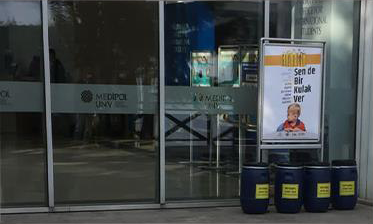
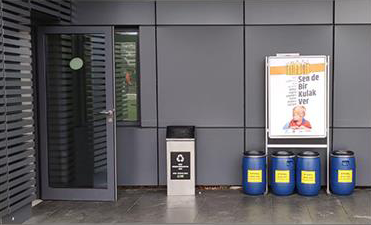
Istanbul Medipol University collects household waste vegetable oils at designated points across its campuses to support access to hearing aids for children with hearing impairments. Through this initiative, waste oils are diverted from the environment and transformed into social benefit in cooperation with partner organizations. The project strengthens community engagement while promoting environmental responsibility and equal access to health services, aligning with SDG 10: Reduced Inequalities and SDG 12: Responsible Consumption and Production.

Each Cap is a Hope Project
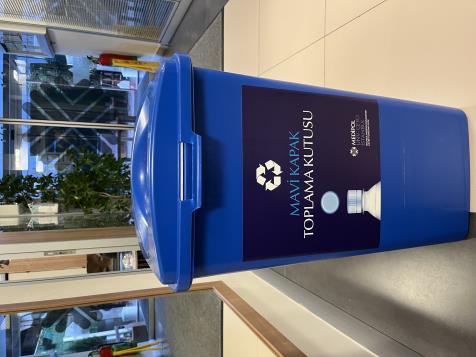
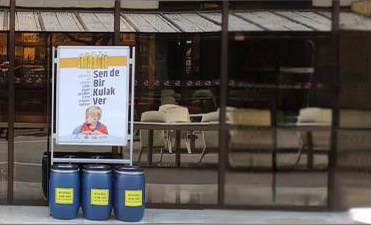
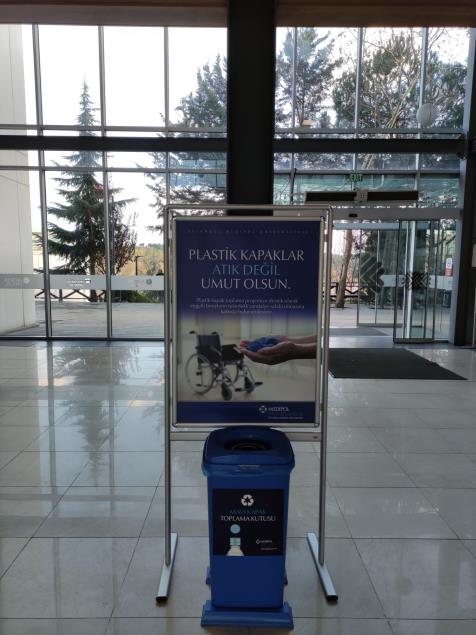
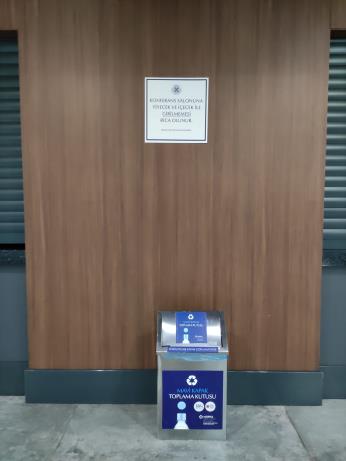
Through the “Each Cap is a Hope” initiative, Istanbul Medipol University encourages the collection of plastic caps, blue, red, green and other colors via dedicated bins placed across campuses. Collected caps are delivered to partner NGOs to support the provision of mobility aids for individuals with disabilities. The project raises awareness on accessibility, promotes recycling culture, and contributes to reducing social inequalities, reflecting the University’s commitment to SDG 10 and SDG 12.

  • Brain clocks capture diversity and disparities in aging and dementia across geographically diverse populations 01.12.2024
  • AI development in financial markets: a balanced scorecard analysis of its impact on sustainable development goals (February 2024) 01.01.2024
  • Gender and Age Trends in HIV Incidence in Türkiye between 1990 and 2021: Joinpoint and Age–Period–Cohort Analyses 01.08.2024
  • Germline genetic variants in Turkish familial multiple myeloma/monoclonal gammopathy of undetermined significance cases 01.03.2024
  • Migrants' access to healthcare services: evidence from fieldwork in Türkiye 01.11.2024
  • Gender inequality in genitourinary malignancies clinical trials leadership 01.12.2024
  • Telehealth: A bridge divided? Bridging the digital divide for equitable healthcare access 01.07.2024
  • The Islamic Economic System: Cultural Context in a Global Economy 01.01.2024
  • Exploring Climate Migration and Environmental Security: Türkiye to America and Beyond 01.12.2024
  • The Typology of Well-Being and Imagination on Global Organization Leaders and The Wisdom of Classical Period Philosophers 01.01.2024