THINGS TO DO

Find a Goal 13 charity you want to support. Any donation, big or small, can make a difference!

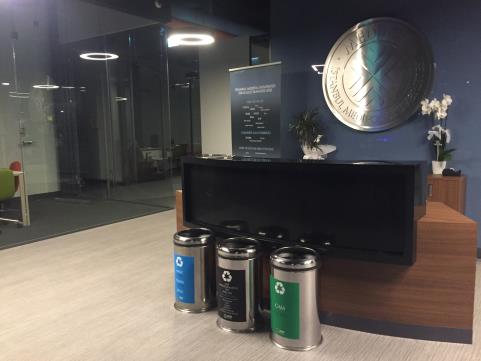
Recycle paper, glass, plastic, metal and old electronics.

Compost. Composting food scraps can reduce climate impact while also recycling nutrients.

Choose reusable products. Use an eco-bag for shopping and a reusable water bottle or a cup to reduce your plastic waste.

Buy eco-friendly products. Read the packaging to see if products are produced in an eco-friendly way.

Bike, walk or take public transport. Save the car trips for when you’ve got a big group.

Consume less meat and become vegetarian for one day a week. The meat production industry has a huge impact on the environment.

Reduce your use of paper. Avoid printing and substitute it with electronic devices or carriers. Don’t shop for pets! Visit your local animal shelter and adopt an animal there.

Offset your carbon.
2024 Report

2024 Report Poster
SHOW REPORT

Istanbul Medipol University‘s Commitment to SDG 13

Climate Action

Istanbul Medipol University is committed to addressing climate change through education, research, institutional policies, and community engagement. Guided by SDG 13, the University promotes climate awareness, environmental responsibility, and proactive measures that contribute to reducing climate-related risks and building resilience across campus and society.

Medipol implements environmentally conscious operational practices that encourage responsible resource management, energy efficiency, waste reduction, and eco-friendly campus development. Awareness campaigns, training programs, and sustainability activities help cultivate climate-conscious behavior among students and staff.

The University integrates climate change, sustainability, and environmental protection topics into academic programs, research activities, and interdisciplinary projects. Through studies in environmental sciences, public health, policy, and technology, Medipol contributes to evidence-based solutions addressing climate challenges and supporting adaptation strategies.

Medipol collaborates with public institutions, international organizations, and NGOs to support climate initiatives, disaster risk reduction efforts, and community resilience programs. Student clubs and volunteer groups actively participate in tree planting, clean-up campaigns, environmental advocacy, and social responsibility projects that address climate-related issues.

As part of its long-term sustainability vision, the University continues to integrate climate-focused principles into future strategies, infrastructure planning, and institutional decision-making processes to reduce environmental impact and enhance climate resilience.

By aligning institutional actions with SDG 13, Istanbul Medipol University reinforces its commitment to climate responsibility and contributes to a sustainable and resilient future for all.

Awareness on Climate Change

Raising awareness and building capacity for climate action is a core mission of Istanbul Medipol University. Through its Sustainable Development Application and Research Center (SURKAM) and Climate Change Application and Research Center (IKLIMER), the university designs and delivers educational programs, campaigns, and community initiatives addressing the societal, health-related, and environmental impacts of climate change.

Several structured education programs have been developed, including the EU-(T)RADE Project, which provides interdisciplinary training on climate adaptation, carbon footprint assessment, and sustainable business models. These initiatives engage students from medicine, engineering, business, and social sciences, promoting cross-sectoral collaboration.

Each year, SURKAM organizes Sustainability Week—a campus-wide series of seminars, workshops, film screenings, and exhibitions focusing on renewable energy, waste reduction, and climate justice. The event attracts participants not only from the university community but also from municipalities, NGOs, and local schools.

IKLIMER further supports public outreach through lectures and certificate programs on “Climate Literacy” and “Sustainable Lifestyles,” extending climate awareness efforts to broader communities and early education audiences.

In addition, the university’s digital platforms, including the Sustainable Campus section on the SURKAM website, provide open-access educational materials, research reports, and interactive carbon footprint calculation tools.

By combining formal education, research, and community engagement, Istanbul Medipol University advances Türkiye’s climate literacy landscape and directly supports UN SDG 13.3 on climate education and public awareness.

Climate Ambassadorship Program

Istanbul Medipol University actively participates in the national “Climate Ambassadors Program” coordinated by the Ministry of Environment, Urbanization and Climate Change. The program aims to strengthen climate awareness among university students, enhance youth participation in climate policy, and support the development of local, solution-oriented initiatives.

For the 2024–2025 academic year, our student from Management Information Systems Department, İclal Selvi represented Istanbul Medipol University within the national youth climate network and contributed extensively to climate engagement and campus sustainability efforts.

Program Objectives

The Climate Ambassadorship Program seeks to:

  • Increase youth awareness on climate change, adaptation, and mitigation policies
  • Promote a strong culture of sustainability across university campuses
  • Represent national youth climate initiatives at the institutional level
  • Support youth engagement in climate-related decision-making processes
  • Encourage the development of local micro-projects focused on climate action

Key Activities Conducted in 2024–2025

During the 2024–2025 term, the Climate Ambassador facilitated:

  • Climate literacy workshops and awareness sessions for students
  • Active participation in ministry consultations, policy meetings, and youth climate platforms
  • Coordination with UNICEF Türkiye’s youth networks to strengthen shared action areas
  • Collaboration with student clubs, research centers, and academic units to integrate climate-focused initiatives into university life
  • Contributions to sustainability reporting, student engagement projects, and climate-action communications

Strategic Importance for the University

The Climate Ambassadorship Program reinforces the University’s sustainability agenda by embedding youth leadership into climate action.

The 2024–2025 activities carried out by Climate Ambassador contributed to the advancement of youth participation mechanisms and supported the university’s long-term sustainability vision.

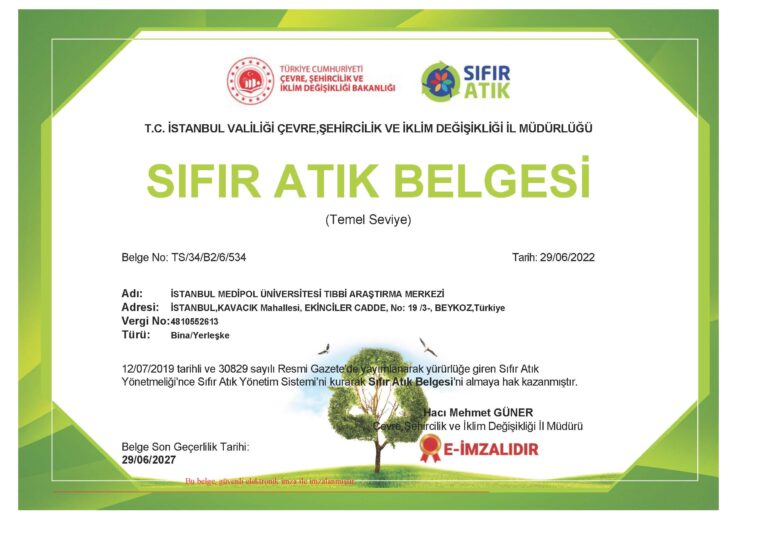
Zero Waste Policy at Istanbul Medipol University

Istanbul Medipol University implements a comprehensive Zero Waste Program in full compliance with Türkiye’s Zero Waste Regulation (Sıfır Atık Yönetmeliği) issued by the Ministry of Environment, Urbanization and Climate Change. The University has adopted a University-wide Zero Waste Policy that regulates waste minimization, segregation, recycling, reuse, safe disposal, and circularity practices across all campuses.

Zero Waste Management System

Medipol’s Zero Waste system is structured around the following pillars:

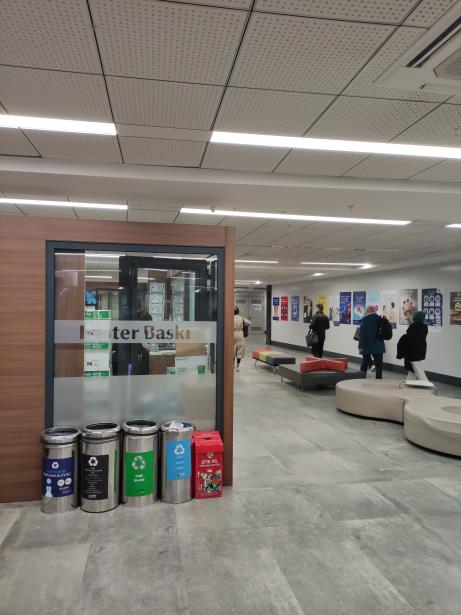
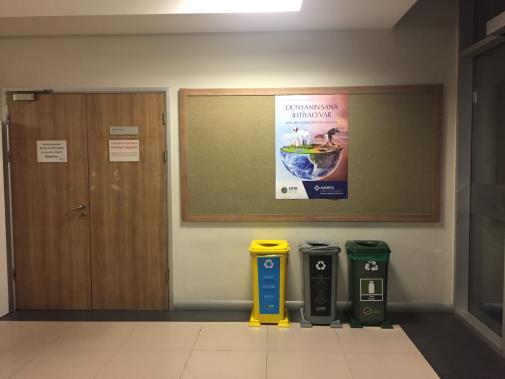
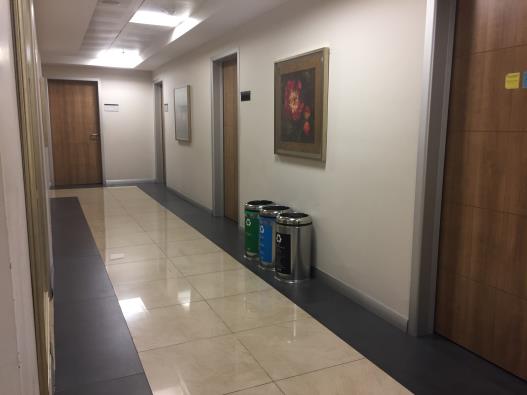
  • Waste segregation at source (paper–plastic–glass–metal–organic–hazardous)
  • Standardized recycling stations across buildings and open areas
  • Hazardous and medical waste protocols in line with national legislation
  • Campus-wide digital tracking system for waste quantities
  • Reuse practices, including redistribution of gently used materials and office supplies
  • Circular economy principles, such as reducing single-use plastics and promoting sustainable procurement

Operational coordination is carried out by the Environmental and Energy Management Office, which ensures legal compliance, monitors waste streams, and oversees reporting.

Zero Waste Statistics and Performance

The University regularly monitors and reports its progress through annual data collection, including:

  • Total annual waste generated
  • Annual amount of recycled waste
  • Percentage share of recycling in overall waste
  • Annual compostable organic waste diverted from landfill
  • Reduction in single-use materials
  • Hazardous waste disposal compliance rates

These indicators are published in the SDG 13 Report and contribute to the University’s carbon-reduction strategy by lowering emissions associated with waste management (GHG Protocol Scope 3).

Training, Awareness, and Capacity Building

Medipol conducts regular sustainability training and awareness programs for students, staff, and campus visitors, including:

  • Zero Waste awareness seminars
  • Sustainable consumption and recycling workshops
  • Orientation sessions introducing the Zero Waste system
  • Student-led campaigns on waste reduction and behavior change
  • Collaboration with municipalities and NGOs on circular economy initiatives

These activities strengthen climate literacy and reinforce sustainable habits across the university community.

×

Energy Efficiency Awareness Campaign
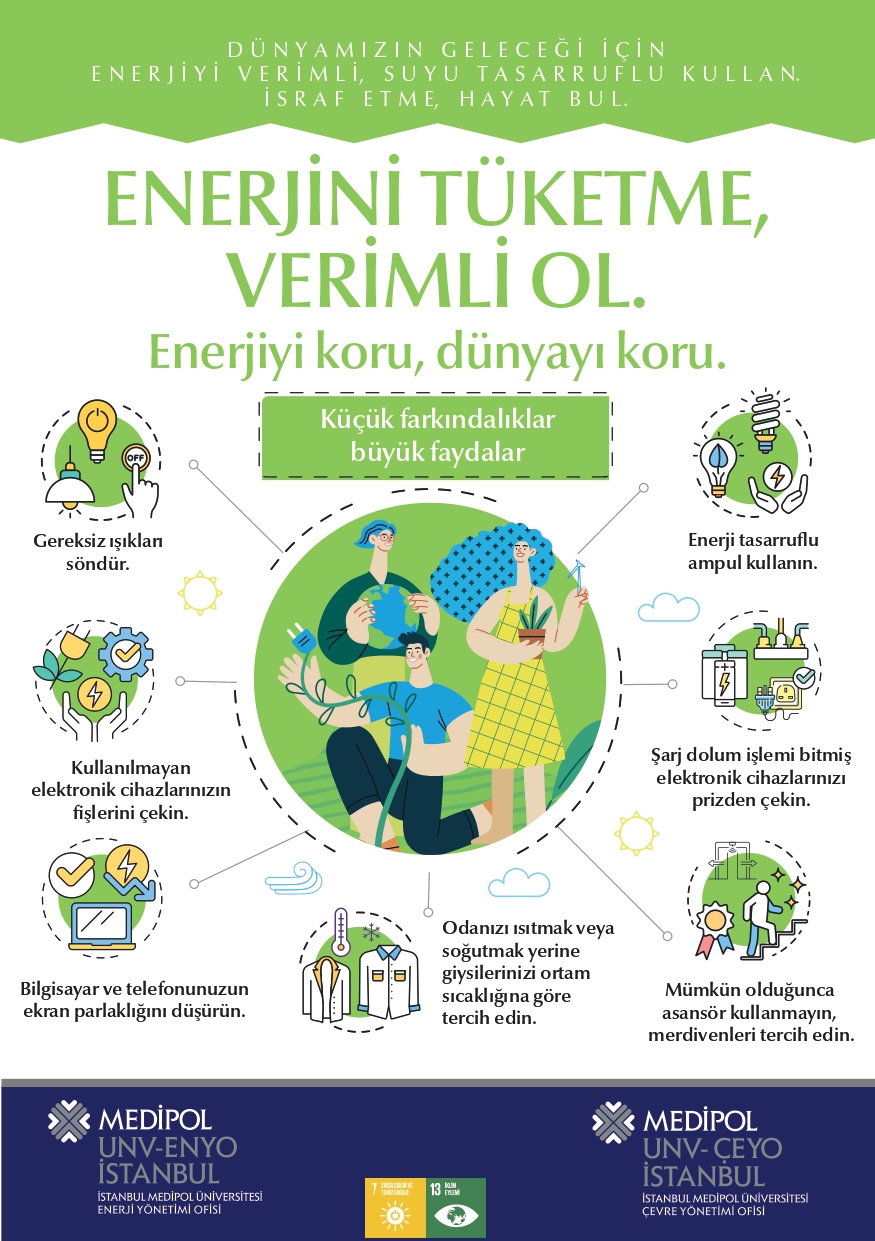
Istanbul Medipol University raises awareness about responsible energy consumption through its Energy Efficiency Campaign, aligned with Türkiye’s national energy-saving strategies and SDG 13. The campaign encourages behavioral changes among students and staff by promoting practical actions such as using energy-efficient devices, reducing unnecessary electricity use, maximizing natural light, and minimizing standby power consumption.

Visual materials, posters, and digital communications prepared by the Environment and Energy Management Office guide the campus community on how everyday habits contribute to reducing carbon emissions. These messages reinforce the University’s broader climate goals, including energy conservation, emission reduction, and sustainable lifestyle adoption.

The initiative forms an essential component of the University’s long-term effort to build an energy-aware campus culture and to support national and global climate targets.

.

Related Links & Reports

Climate Action & Low-Carbon Strategy at Istanbul Medipol University

Istanbul Medipol University implements an institution-wide climate action framework that integrates low-carbon energy use, greenhouse gas monitoring, zero-waste practices, climate education, and long-term carbon-neutral planning. All efforts are coordinated in collaboration with the Environmental and Energy Management Office and supported by SURKAM (Sustainable Development Application and Research Center), ensuring alignment with Türkiye’s national climate policies and the United Nations Sustainable Development Goals.

Measurement of Low-Carbon Energy Use

Istanbul Medipol University systematically measures and monitors energy use across its campuses through the Environmental and Energy Management Office. The university aims to transition toward a low-carbon energy model in alignment with Türkiye’s National Energy Efficiency Strategy and the Council of Higher Education’s “Zero Carbon University” initiative.

The university conducts both quantitative and qualitative assessments of electricity, heating, and natural gas consumption across major facilities—including classrooms, laboratories, hospitals, and dormitories. Data are collected monthly through a central monitoring system that records total usage and identifies patterns of overconsumption. These data support the annual calculation of the university’s carbon footprint under the Greenhouse Gas Protocol (Scope 1, 2, 3 partial), covering direct emissions from on-campus energy use and indirect emissions from purchased electricity.

Since 2023, Medipol University has implemented partial low-carbon measurement systems by introducing renewable energy sources—primarily solar power—in selected campus buildings. New constructions incorporate energy-efficient technologies such as motion-sensor lighting, LED systems, improved insulation, and automated heating and cooling controls, collectively reducing energy intensity per square meter.

Annual energy audits are conducted to evaluate efficiency performance and recommend further actions for minimizing fossil-fuel dependency and enhancing sustainable energy management. This vision supports a campus-wide renewable energy transition backed by infrastructure investments, academic research, and strong data-driven monitoring mechanisms.

Commitment to a Carbon-Neutral University

Istanbul Medipol University aligns its long-term climate strategy with Türkiye’s national target of achieving net-zero emissions by 2053. The university integrates internationally recognized standards including ISO 14064-1, IPCC methodological guidelines, and the GHG Protocol (Scopes 1–2–3) into its measurement and reporting processes.

University has already established the institutional mechanisms required for future alignment. Annual carbon footprint calculations, institutional GHG reporting, and scenario-based analyses ensure that progress is monitored transparently and consistently. Key institutional actions include:

  • transitioning to renewable energy where technically feasible,
  • implementing energy-efficient building technologies,
  • expanding solar generation in selected buildings,
  • supporting carbon-offset initiatives such as tree-planting programs,
  • reducing emissions through minimal-waste and circularity practices under the University’s Zero Waste Policy.

Progress toward these goals is documented annually by the Environmental and Energy Management Office and SURKAM, with findings published in the institutional SDG 13 Report and the Corporate Greenhouse Gas Calculation Report. These reports serve as transparent accountability mechanisms and ensure that the university remains aligned with Türkiye’s Green Deal and the global net-zero agenda.

Institutional Greenhouse Gas Calculation (2024)

As part of its environmental sustainability efforts, the University prepares an annual institution-wide Greenhouse Gas Emission Calculation Report, covering emissions from:

  • energy consumption,
  • transportation,
  • waste management,
  • building operations.

These reports identify reduction areas, track improvement progress, and guide mitigation strategies for the upcoming period. All results are publicly accessible to ensure transparency and stakeholder engagement.

Climate Action, Community Engagement and Climate Adaptation

Istanbul Medipol University adopts a holistic, multi-level approach to climate action and community engagement, integrating research, policy development, public education, emergency planning, and cross-sector collaboration. Institutional efforts are coordinated by SURKAM, the Climate Change Research Center (IKLIMER), and academic units working closely with local governments, NGOs, public institutions, and community stakeholders. These initiatives reflect the university’s strong commitment to the UN Sustainable Development Goal 13: Climate Action.

University Climate Action Plan & Engagement with Local Authorities

Istanbul Medipol University’s climate strategy is embedded within its 2022–2026 Strategic Plan and annual SDG 13 Report, which outline targets on carbon reduction, energy efficiency, waste and water management, and sustainability education. The Climate Action framework is aligned with Türkiye’s National Climate Change Strategy and Zero Waste Policy and is regularly shared with local municipalities, provincial directorates, and community partners through joint events, workshops, and stakeholder consultations.

SURKAM’s 2024 outreach project, “Green Legacy for the Future: Climate Change and Sustainability Education for High School Students,” has further strengthened public engagement through climate literacy training and community-based awareness programs.

Co-Operative Planning for Climate-Related Disasters

The university actively participates in co-operative disaster planning with government institutions and public agencies. Key collaborations include:

  • TÜBİTAK-supported research on post-disaster needs assessment, including the project “Health Care Needs of Elderly Individuals Post-Disaster,” conducted with regional authorities and health institutions.
  • Academic contributions to policy discussions on disaster preparedness, climate migration, elderly care, and community resilience.
  • Engagement in national disaster planning platforms and climate adaptation consultations.
  • A university-appointed Climate Ambassador, designated in response to the Ministry of Environment, Urbanization, and Climate Change, who contributes to inter-institutional decision-making and national climate governance mechanisms.

These efforts ensure that the university’s scientific expertise directly supports public-sector planning for climate-induced displacement, community vulnerability, and post-disaster recovery.

Support to Government for Early Warning & Monitoring

Through IKLIMER and SURKAM, Istanbul Medipol University informs and supports local and regional government bodies in climate disaster monitoring, early warning systems, and risk communication. Activities include:

  • scientific advising on climate-related health risks,
  • modeling and analysis projects on climate change impacts,
  • local data-sharing initiatives for heatwaves, extreme weather events, and environmental stress factors,
  • participation in community risk-reduction meetings organized by municipalities and public agencies.

University researchers contribute technical knowledge on disaster risk, vulnerability mapping, and climate-health interactions, strengthening regional resilience and preparedness strategies.

Collaboration with NGOs on Climate Adaptation

Medipol University maintains strong partnerships with NGOs and civil-society organizations working on climate resilience, environmental protection, and sustainable development.

SURKAM and student-led clubs especially the Sustainability Club and the Women’s Studies Club—organize joint awareness events focusing on:

  • carbon reduction,
  • recycling and circularity,
  • climate adaptation and resilience,
  • youth engagement in climate action,
  • green-campus campaigns,
  • environmental volunteering and community outreach.

These collaborations enhance public awareness, promote climate-adaptive behaviors, and position the university as an active societal partner in advancing the SDG 13 agenda.

Community-Focused Climate Education and Awareness Programs

In addition to research and disaster-planning efforts, the university delivers wide-reaching community education initiatives, including:

  • EU-(T)RADE climate and green-transition modules,
  • climate literacy workshops for high school students,
  • sustainability seminars and public awareness events,
  • cooperative programs with municipalities and NGOs,
  • exhibitions, student projects, and public campaigns led by SURKAM and IKLIMER,
  • annual awareness programs on “Don’t Waste Your Energy – Be Efficient,”
  • national-level outreach through academic publications and conferences.

These programs cultivate climate awareness among students, staff, alumni, local residents, and vulnerable groups.

Water Conservation and Rainwater Harvesting

Istanbul Medipol University implements comprehensive water-efficiency practices in line with its Sustainable Campus Strategy and SDG 13 targets. The Water Efficiency Unit, established under the Rectorate, coordinates awareness programs, technical improvements, and data monitoring to reduce water consumption across all campuses.

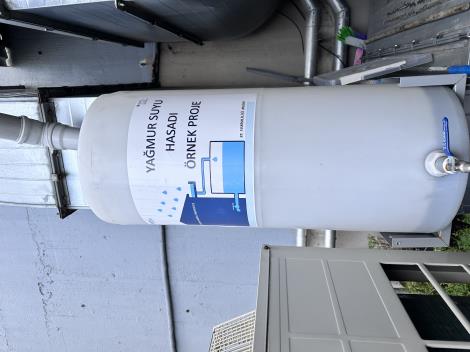
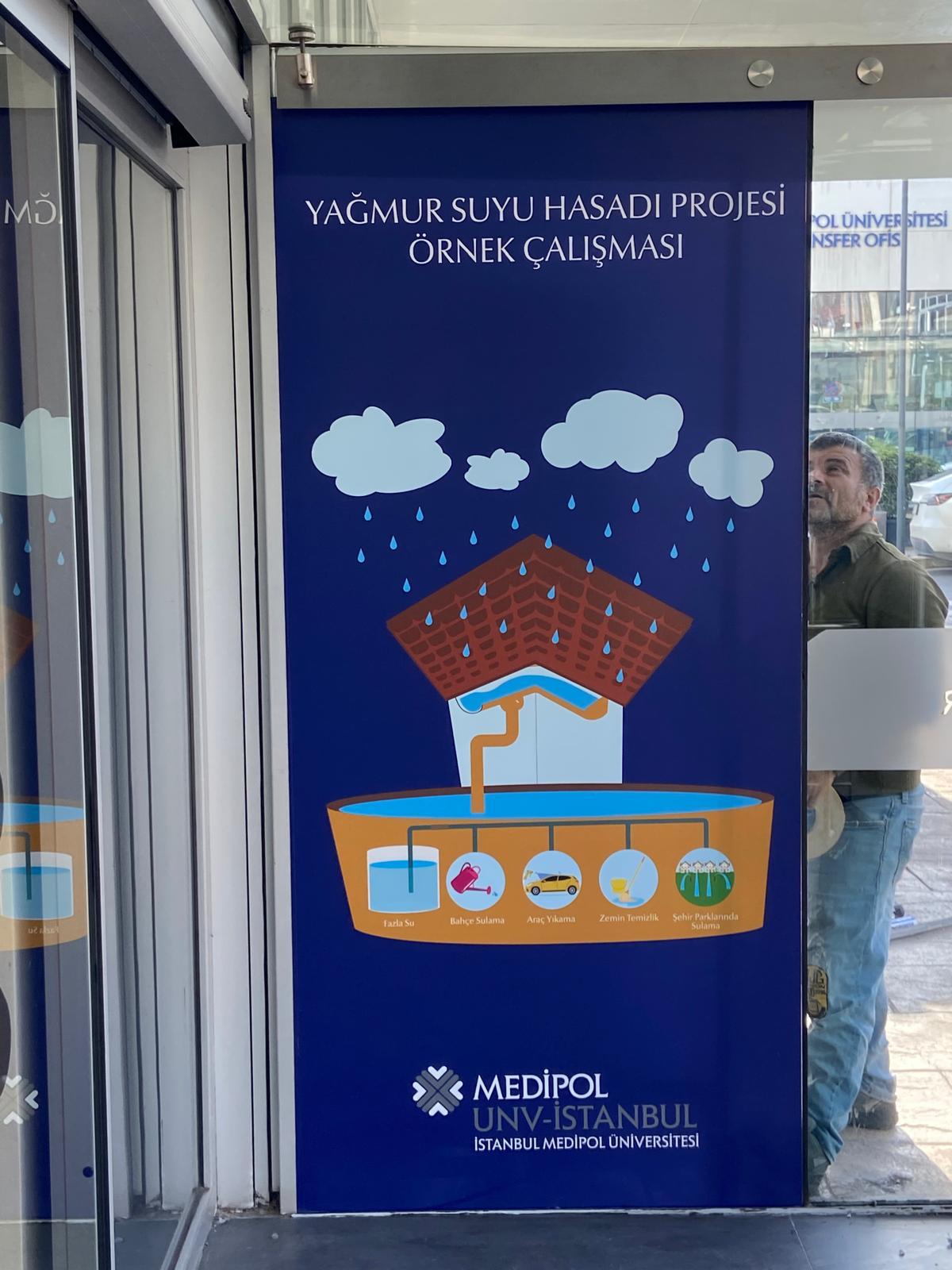
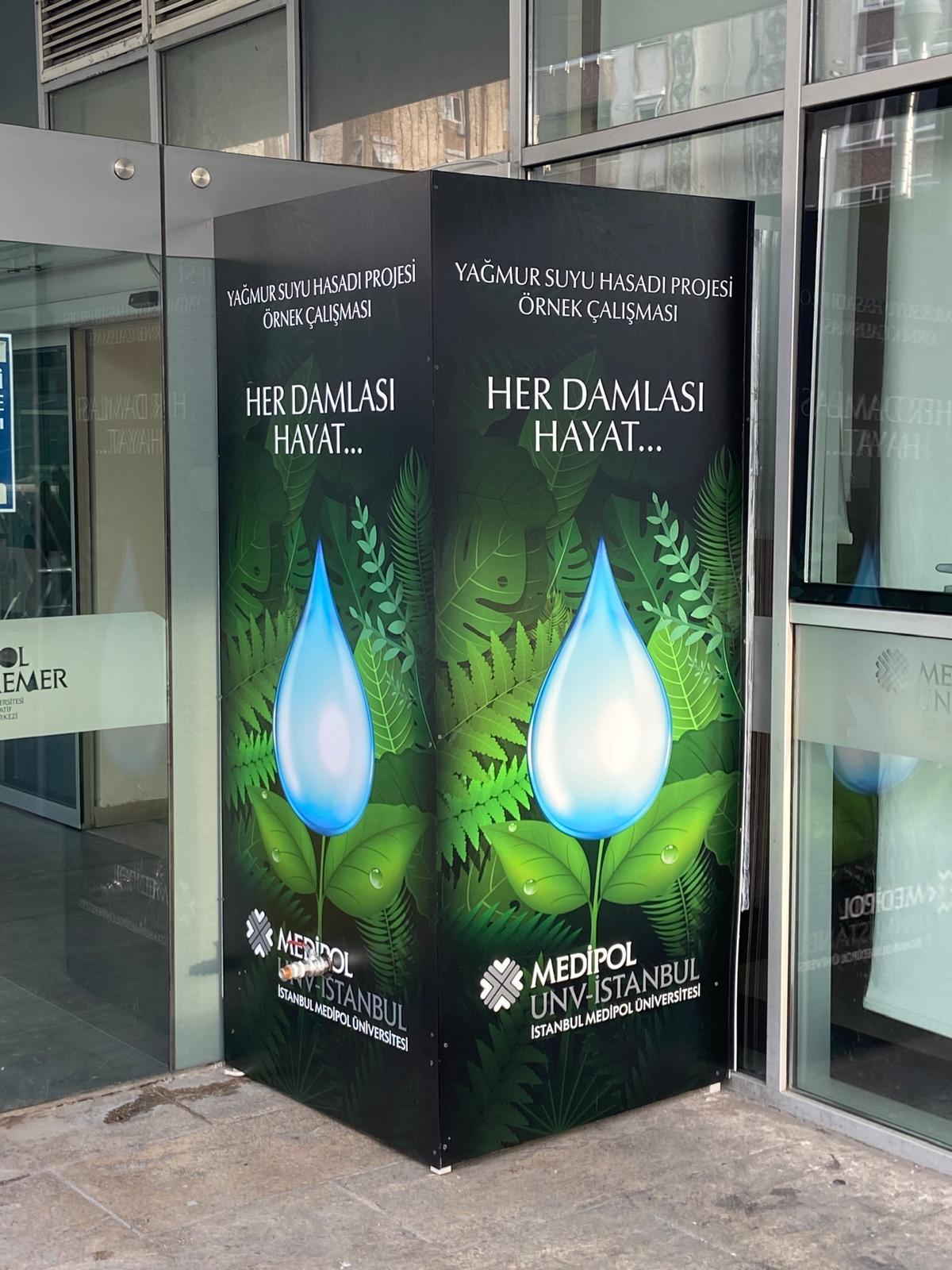
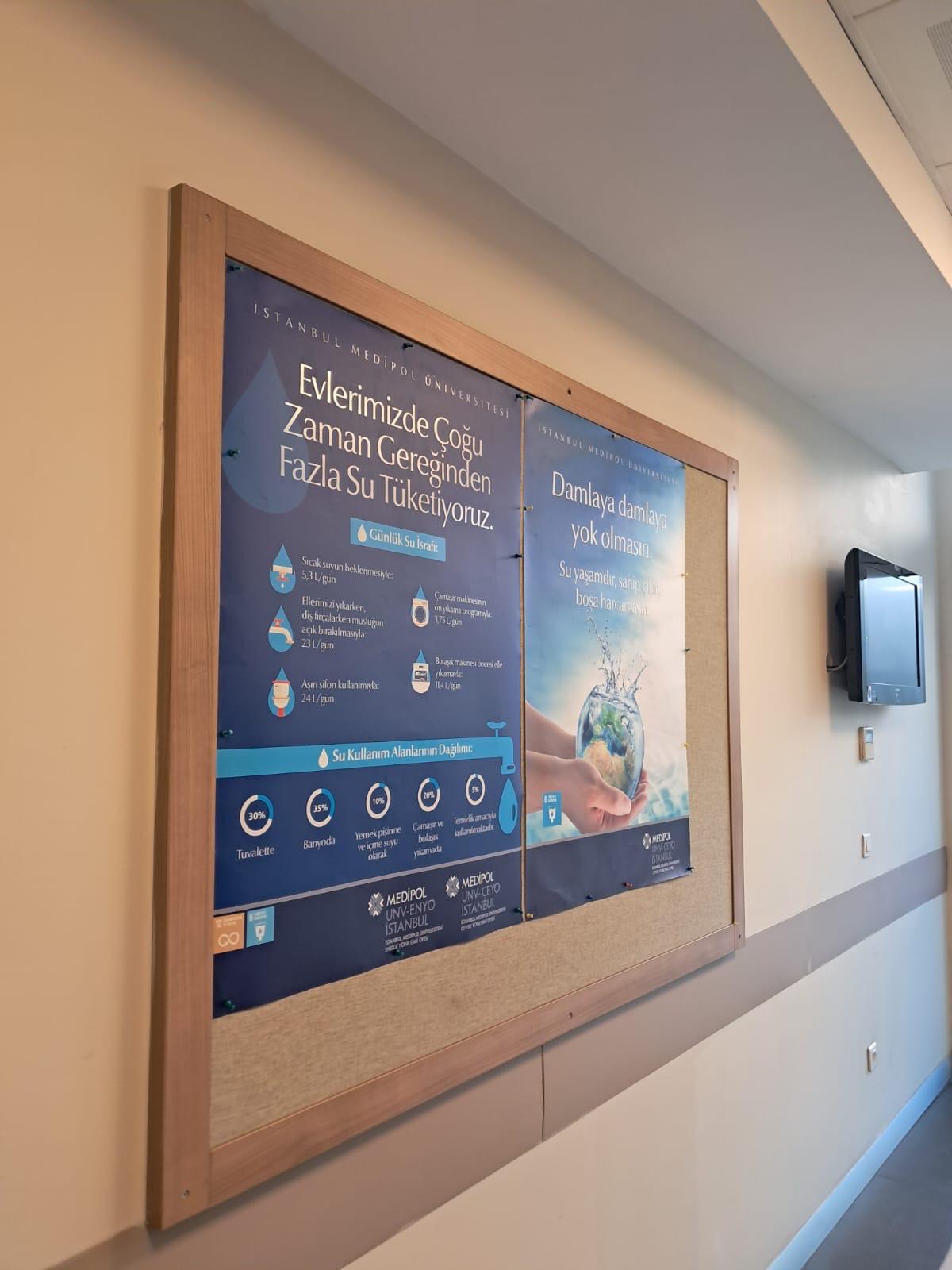
As part of the Water Efficiency Campaign, the University disseminates guidelines to students and staff on responsible water use, leakage prevention, and behavioral change. In addition, a model rainwater harvesting system has been installed at designated points on campus to support sustainable water management. In the last two months of 2023, 3,200 liters of rainwater were collected from an 18 m² pilot area, demonstrating the practical benefits of harvesting systems for irrigation, cleaning, and greywater use.

These efforts contribute to the institution’s broader climate adaptation strategy by reducing pressure on freshwater resources, supporting resilience against drought risks, and promoting sustainable practices within the university community.

Organic Waste Recycling
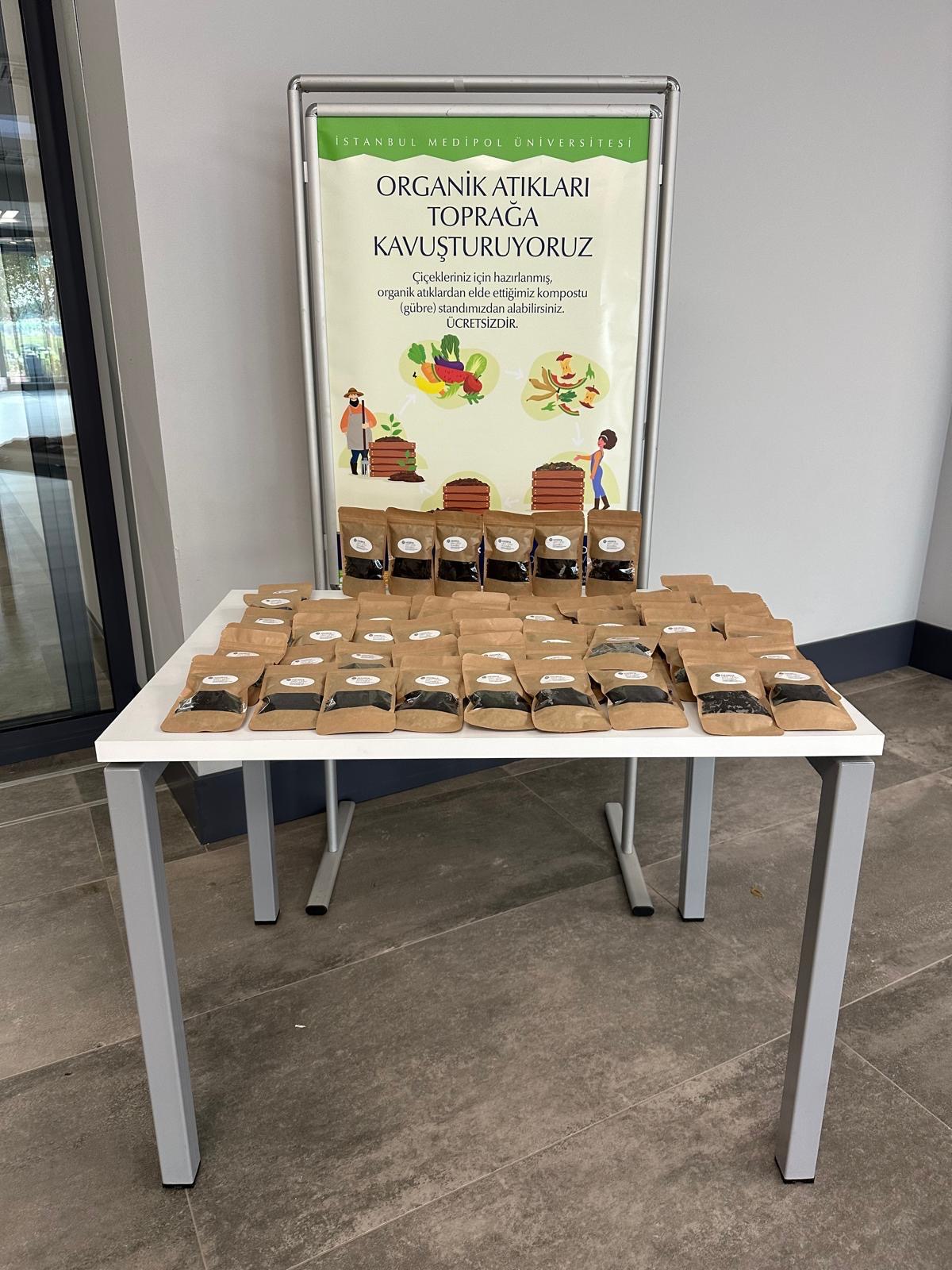
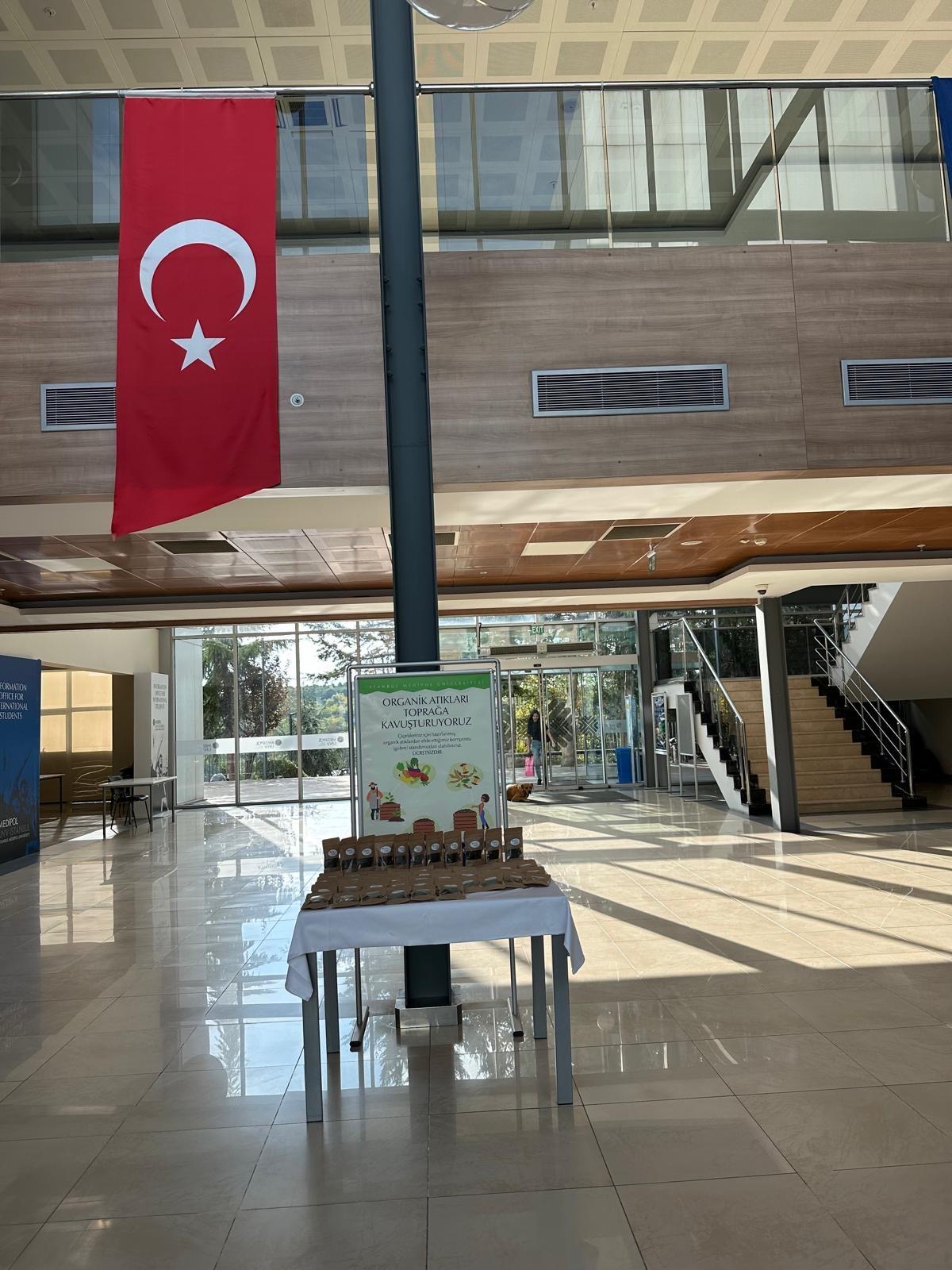
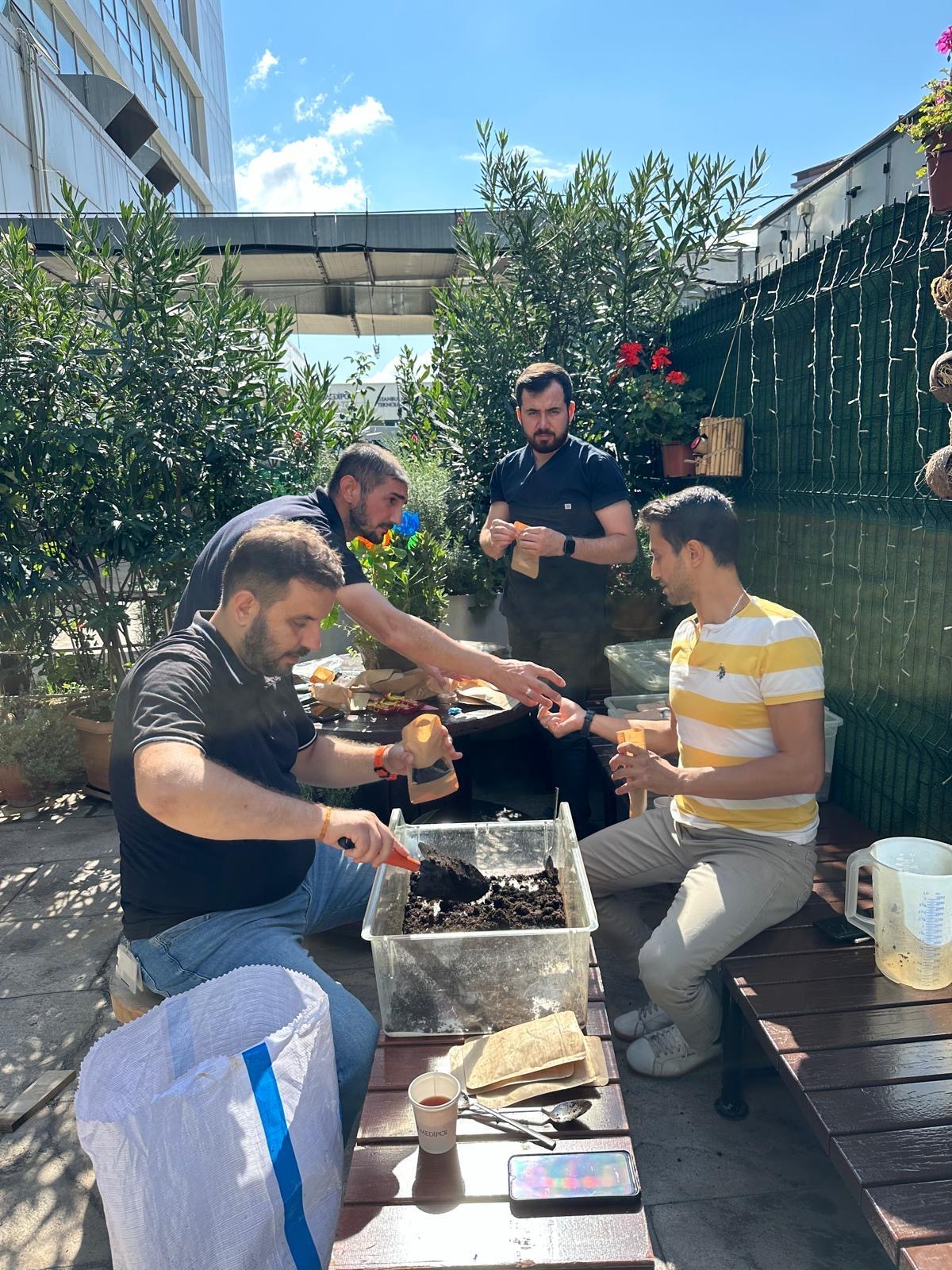
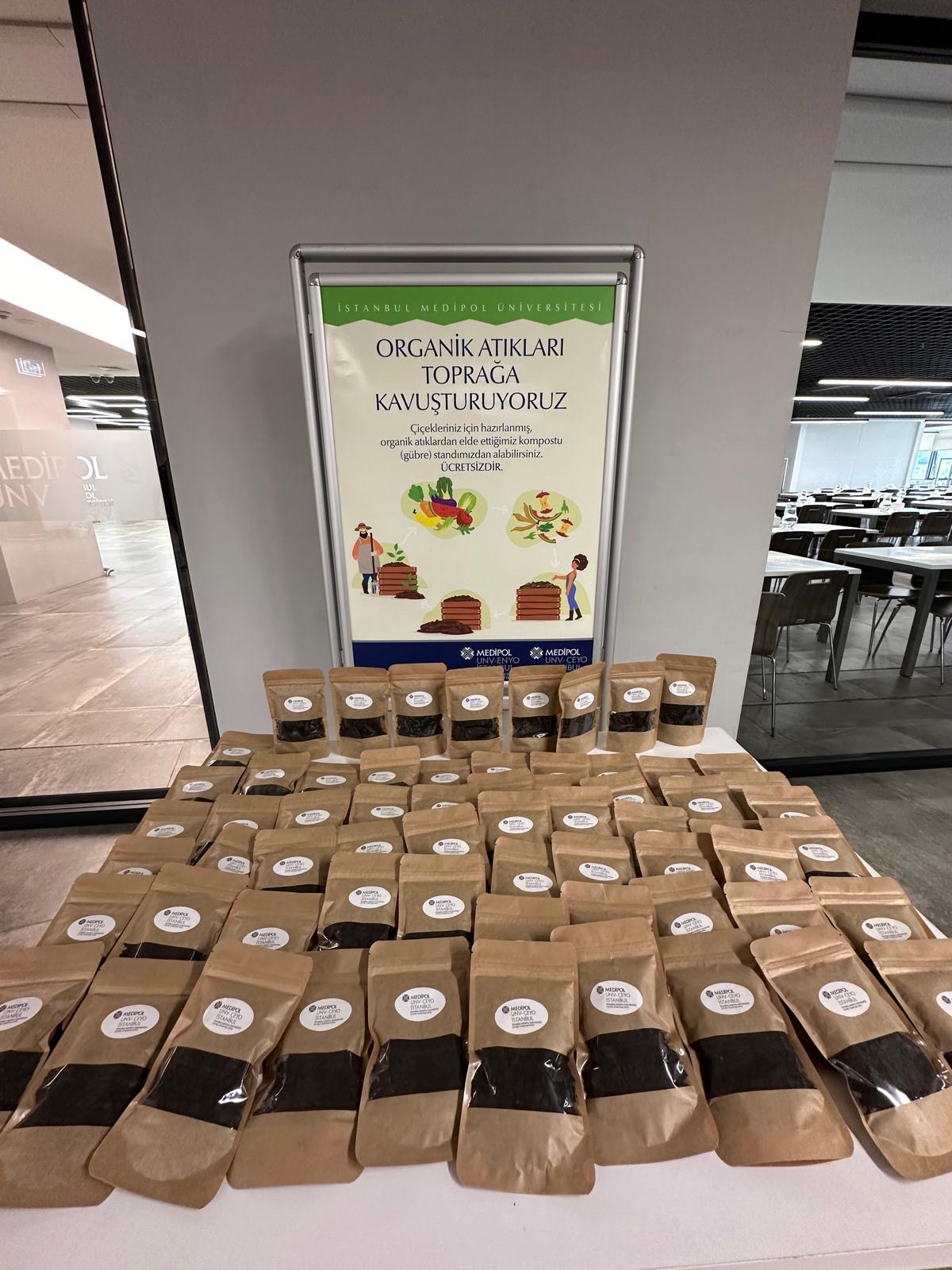
To promote a circular-resource model and reduce organic waste, Istanbul Medipol University conducts a campus-wide composting program. Organic waste generated in selected university units is collected, processed, and transformed into nutrient-rich compost through environmentally friendly methods.

The compost produced is periodically packaged and distributed free of charge to university employees and campus gardens. This practice not only minimizes waste going to landfill but also enhances soil quality, supports plant growth, and raises awareness on the ecological benefits of composting.

To promote a circular-resource model a Through this initiative, the University strengthens its commitment to sustainable resource management, climate action, and community engagement, illustrating how even small-scale interventions can foster meaningful environmental impact.

  • Trends of meteorological and hydrological droughts and associated parameters using innovative approaches 01.08.2024
  • Selection of electric bus models using 2-tuple linguistic T-spherical fuzzy-based decision-making model 01.09.2024
  • The Impact of Climate Change on Construction Activity Performance 01.02.2024
  • An integrated quantum picture fuzzy rough sets with golden cuts for evaluating carbon footprint-based investment decision policies of sustainable industries 01.04.2024
  • Standardized Innovative Polygon Trend Analysis for Climate Change Assessment (S-IPTA) 01.07.2024
  • Risk attachment Sen’s Slope calculation in hydrometeorological trend analysis 01.03.2024
  • Probabilistic standardization index adjustment for standardized precipitation index (SPI) 01.04.2024
  • Projected Changes in Extreme Precipitation Patterns across Algerian Sub-Regions 01.05.2024
  • Comparative analysis of hydro energy determinants for European Economies using Golden Cut-oriented Quantum Spherical fuzzy modelling and causality analysis 15.03.2024
  • Standard precipitation-temperature index (SPTI) drought identification by fuzzy c-means methodology 01.10.2024
  • Quality Function Deployment-Oriented Strategic Outlook to Sustainable Energy Policies Based on Quintuple Innovation Helix 01.06.2024
  • Analyzing energy transition for industry 4.0-driven hybrid energy system selection with advanced neural network-used multi-criteria decision-making technique 01.10.2024
  • Techno-Economic Modeling of Diverse Renewable Energy Sources Integration: Achieving Net-Zero CO2 Emissions 01.07.2024
  • Waste to Resource: Surface Modification of Electric Arc Furnace Flue Dust by Ball Milling and In Situ Carbonization 01.06.2024
  • Synthesis and electrochemical characteristics of metal nanoparticles decorated composite anode made of domestic alloy, used in lithium ion batteries 01.11.2024
  • Exploring Climate Migration and Environmental Security: Türkiye to America and Beyond 01.12.2024