
THINGS TO DO
Find a Goal 3 charity you want to support. Any donation, big or small, can make a difference!
Vaccinate yourself and your kids. Protecting your family from disease also aids public health.
Place yourself on the organ and tissue donors’ registry in your country.
Donate your blood. Safe blood saves lives!
2024 Report
Istanbul Medipol University‘s Commitment to SDG 3
Good Health and Well-Being
Istanbul Medipol University places health and well-being at the core of its institutional mission as a distinguished health-focused university. Guided by SDG 3, Medipol promotes a holistic and inclusive approach to physical, mental, and social well-being across its academic community and through its contributions to society.
Medipol ensures accessible health services for students and staff through campus medical units, psychological counseling services, and well-being programs designed to promote a healthy academic environment. Awareness campaigns, training sessions, and preventive healthcare practices focus on mental health, healthy lifestyle choices, and early intervention for risk behaviors.
With its strong academic background in medicine, dentistry, health sciences, pharmacy, nursing, and related fields, Medipol contributes to research, innovation, and community health through academic programs, university hospitals, and research centers. These units work to improve public health outcomes, enhance health education, and provide high-quality patient care and clinical services.
Istanbul Medipol University actively engages in community outreach, public health screening programs, social responsibility projects, and collaborations with government bodies, NGOs, and healthcare organizations to support vulnerable populations, promote disease prevention, and enhance health literacy within society.
Through interdisciplinary research, evidence-based education, international partnerships, and the involvement of students in health-focused volunteering initiatives, the University fosters a culture of well-being, resilience, and social responsibility among future health professionals and the wider community.
By integrating SDG 3 values into education, research, healthcare services, and community engagement, Istanbul Medipol University reinforces its mission to improve quality of life and contribute to a healthier society for all.
Sports Facilities at Istanbul Medipol University

Istanbul Medipol University promotes community well-being and social integration by making a range of its sports and physical activity facilities accessible to the local community, in line with its commitments under SDG 3 and the University's Social Contribution Framework.
As part of this mission, the University collaborates with local schools, municipalities, NGOs, and community groups to support public access to selected indoor and outdoor sports facilities. These collaborations enable local residents—especially youth, school groups, and disadvantaged communities—to participate in structured and unstructured physical activity programs.
Facilities Shared with the Community
Depending on the type of partnership and event, the University provides access to:
- Indoor sports halls for school tournaments, youth training, and NGO-led health promotion events,
- Multi-purpose activity areas used for physical education sessions of partner schools,
- Outdoor sports fields and open activity zones used during community health days, public training sessions, and awareness programs.
These activities are organized through formal requests and coordinated scheduling to ensure safe and orderly use of the facilities.
Social Contribution and Public Benefit
This shared-use model contributes to public health by:
- supporting regular physical activity among children and youth,
- offering safe spaces for low-income or resource-limited schools,
- promoting community engagement and healthy lifestyle awareness,
- strengthening partnerships with local institutions.
Activities conducted under these collaborations are also documented annually in the SDG 3 Report, demonstrating the University's sustained commitment to improving community health and fostering inclusive access to recreational spaces.
Dining Halls and Cafeterias at Campus
Istanbul Medipol University provides approximately 10,000 m² of dining hall and cafeteria space across its campuses. Haliç Campus offers 693 m² with annual users increasing from 1,245 (2020–2021) to 2,772 (2021–2022) and 4,060 (2022–2023). North Campus includes 1,687 m² serving 4,016; 6,100; and 6,400 users respectively, while South Campus provides 6,747 m² with a significant rise in users: 5,440; 27,520; and 65,940 across the same years. Cafeterias are designed to offer diverse food options such as pizza, baked potatoes, desserts, and pastries.
Related Links & Reports:
Smoke-Free Campus and Healthy Living Policy
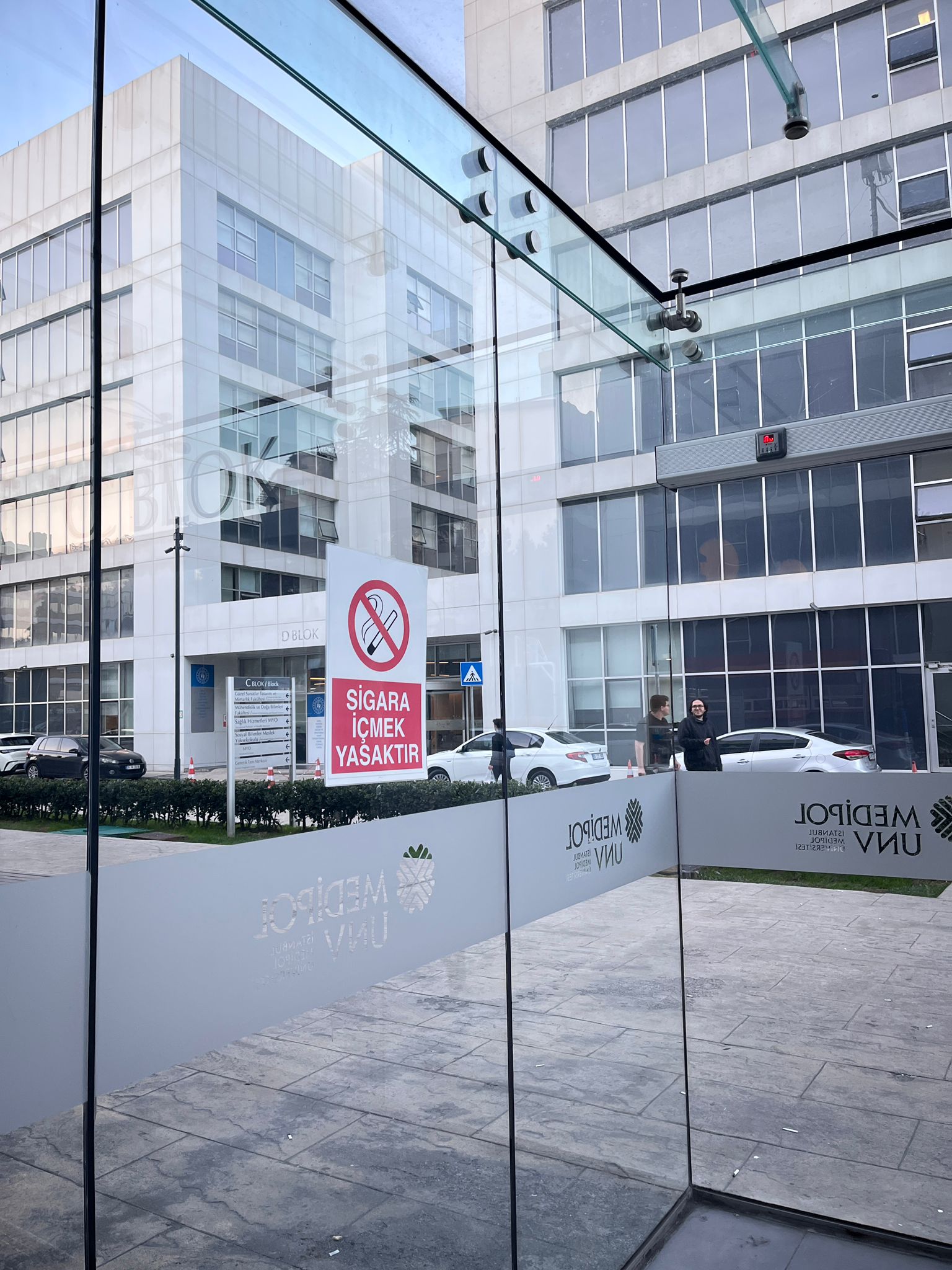
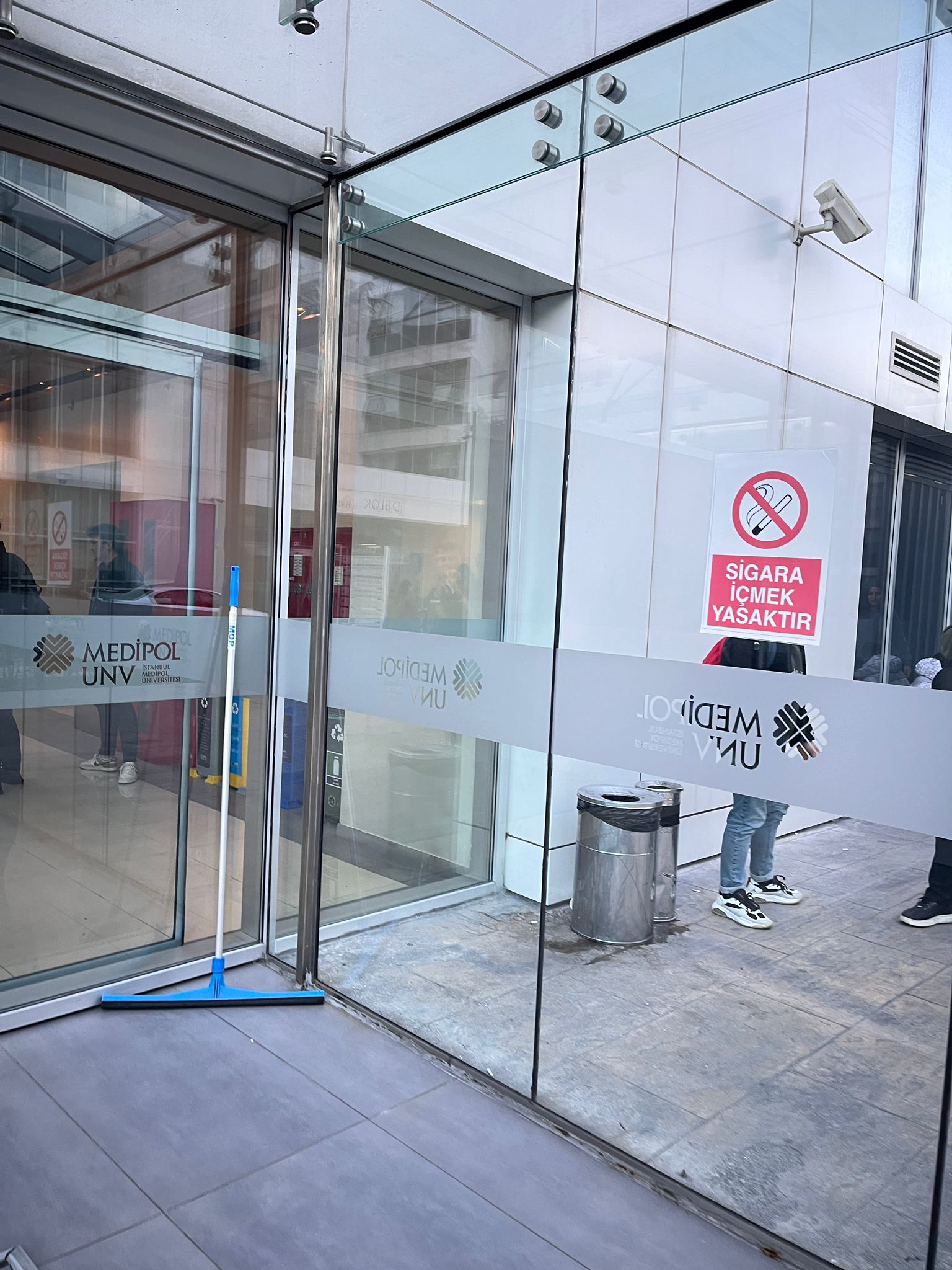
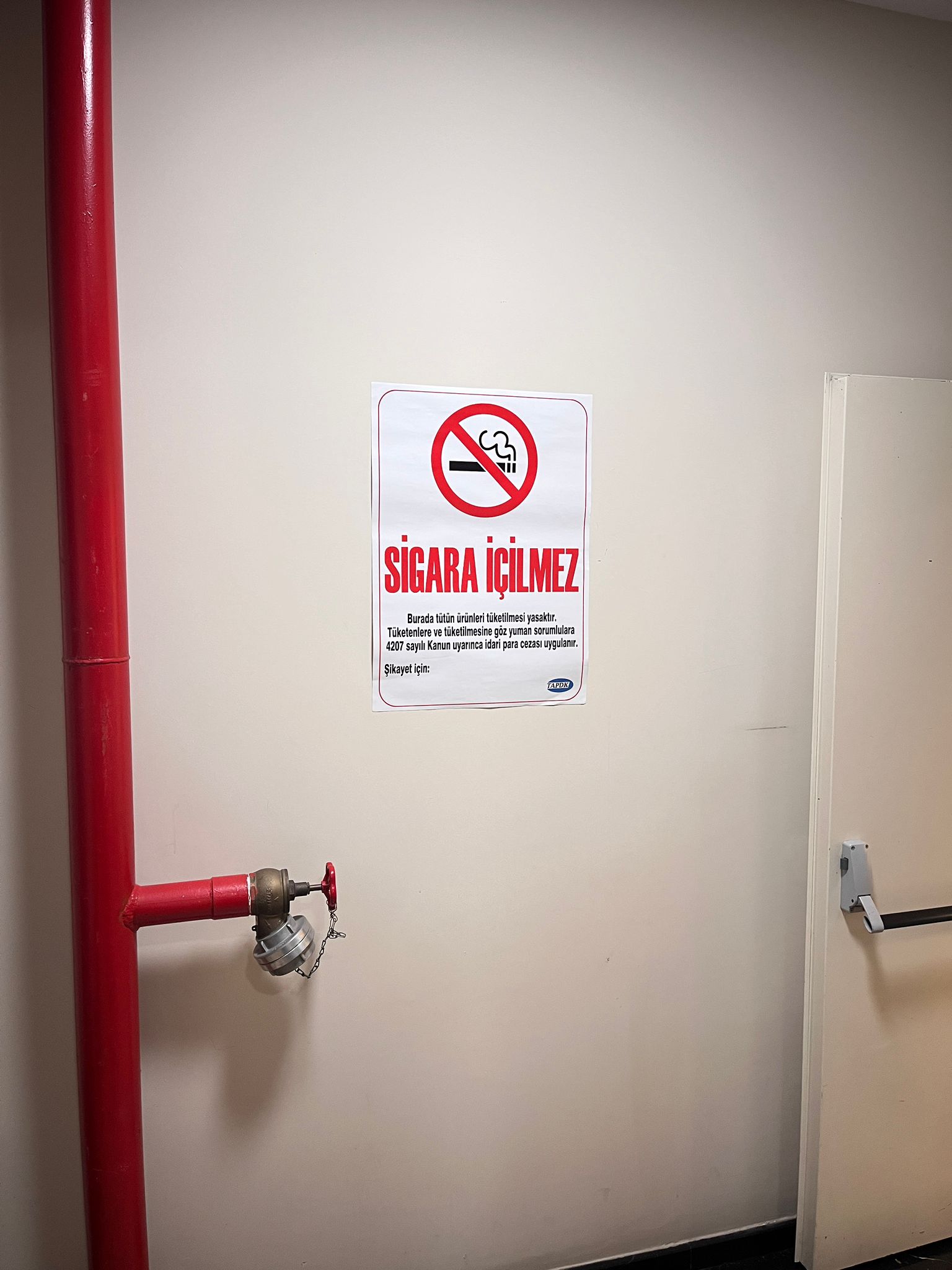
Istanbul Medipol University maintains a comprehensive Smoke-Free Policy aligned with national tobacco control regulations and its institutional commitment to SDG 3. The policy ensures a healthy, safe, and clean campus environment by eliminating exposure to tobacco smoke.
Indoor Smoke-Free Areas: Smoking is strictly prohibited in all indoor environments, including academic buildings (classrooms, labs, auditoriums), administrative offices and meeting rooms, libraries and study halls, cafeterias and social spaces, and enclosed passageways or shared indoor areas. This prohibition is consistently enforced to eliminate second-hand smoke exposure.
Non-Smoking Outdoor Zones: The University also maintains non-smoking outdoor areas at building entrances, heavily used pedestrian pathways, courtyard gathering spots, and locations adjacent to educational and healthcare units. These restrictions help protect the campus community from passive smoke exposure in densely populated spaces.
Designated Outdoor Smoking Areas: Smoking is allowed only in a limited number of designated outdoor spaces that are clearly marked with official signage and physically separated from main circulation routes. These controlled areas are deliberately restricted to maintain a clean and health-supportive environment.
Health Promotion and Awareness: The Medicosocial Unit and Medipol Health Group hospitals reinforce the policy through smoking-cessation support, public health seminars, healthy living campaigns, and the dissemination of preventive health information to students and staff.
Through this structured approach, Istanbul Medipol University sustains a safe, clean, and health-oriented campus environment consistent with SDG 3 and its long-term commitment to community well-being.
Related Links & Reports:
Nutrition and Dietetics Counseling Center
Awareness Studies
Awareness Studies
The center provides "Lifelong Healthy Nutrition" and "Nutrition in Disease" counseling services and conducts awareness studies, prioritizing students, alumni, and university staff, as well as all interested individuals seeking information.
The services are paid. They are discounted for students, alumni, and staff.
Collaborations with National, Local, and International Health Institutions
Istanbul Medipol University maintains a comprehensive and multi-layered collaboration ecosystem with national, local, and international health institutions as part of its commitment to SDG 3: Good Health and Well-being. These collaborations constitute one of the university’s strongest pillars of societal impact and are documented extensively in the SDG 3 Report, including a full list of partner institutions in the annex.
Through its integrated structure with Medipol Health Group Hospitals, the University plays a leading role in preventive health services, early diagnosis programs, and community-based screenings. Joint activities include public awareness campaigns, reproductive health counselling, maternal and child health programs, chronic disease education, elderly health screenings, and preventive-care workshops. These efforts extend to disadvantaged groups, schools, neighborhood communities, and vulnerable populations, ensuring equitable access to health education and services.
National and Local Collaborations
At the national level, Medipol collaborates with the Ministry of Health, municipal health directorates, family health centers, AFAD, and the Turkish Red Crescent (Kızılay). These collaborations include disaster-response training, emergency health preparedness, blood donation campaigns, first-aid education, vaccination support initiatives, and nationwide public health seminars. Partnerships with municipalities further support community nutrition programs, addiction-awareness activities, and public screenings across districts.
International Collaborations
Internationally, the University engages with partner universities, medical research centers, and global health networks through joint symposiums, academic mobility programs, clinical training, and collaborative research. Academic units contribute to international conferences, EU-supported health projects, and knowledge-exchange platforms focused on biotechnology, public health, maternal health, and medical innovation.
Student Engagement in Health Initiatives
Medipol’s student clubs actively contribute to these collaborative efforts. Health-focused student organizations carry out school-based trainings, community awareness campaigns, oral and dental health sessions for children, nutrition guidance programs, and social assistance activities. These initiatives not only broaden the university’s societal engagement but also foster strong civic responsibility and professional awareness among students.
Overall, Medipol’s collaboration network significantly enhances community well-being, strengthens preventive health capacity, and advances national and global sustainable development targets. A complete list of institutional partners, public bodies, hospitals, NGOs, and global collaborators is provided in the Annex of the SDG 3 Report for transparency and documentation. Protocol documents will be added below as PDF attachments.
Related Links & Reports:
Reproductive Health Education, Counseling, and Community Services
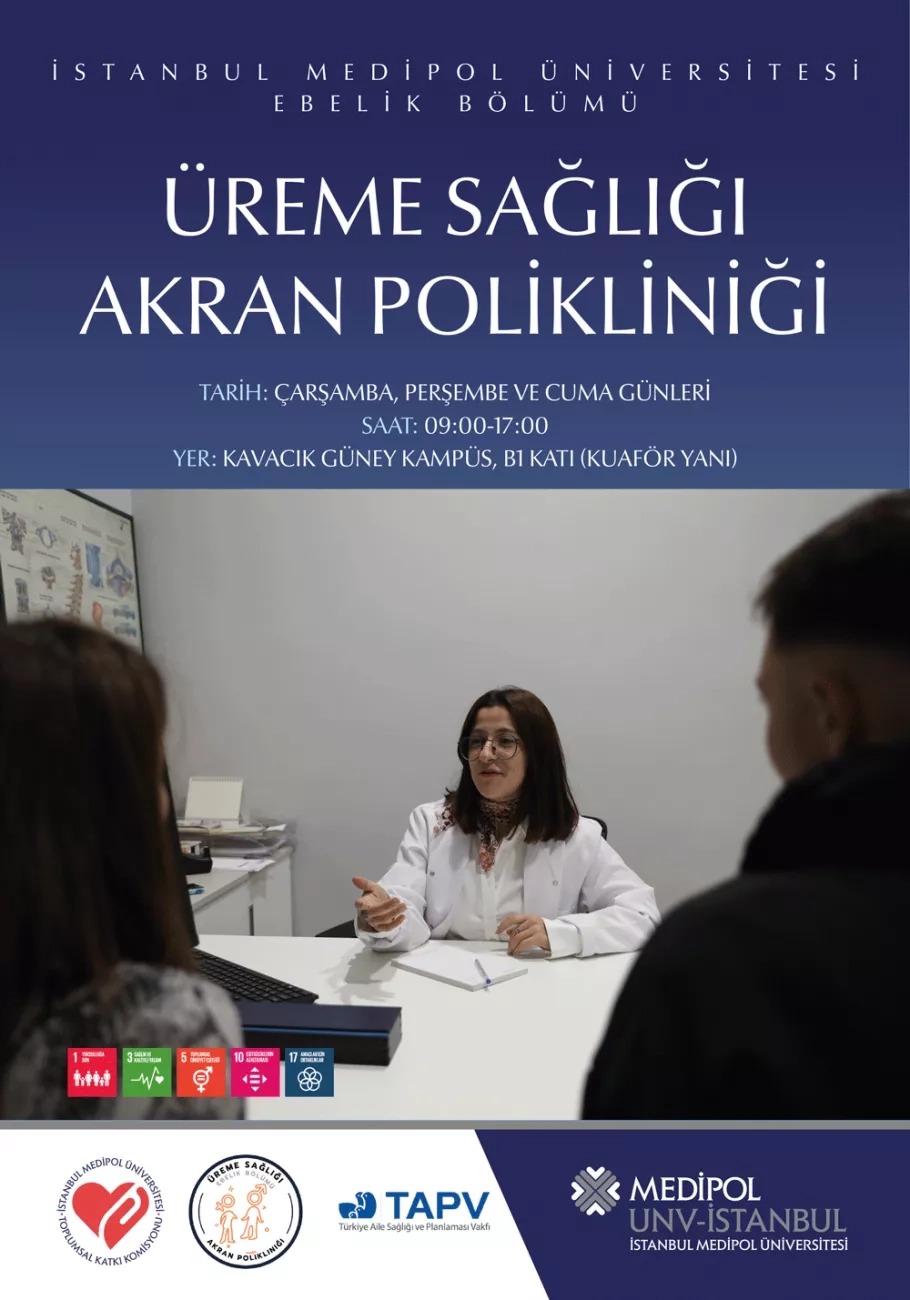
Istanbul Medipol University carries out comprehensive reproductive health services and awareness initiatives as part of its institutional commitment to SDG 3. These efforts are delivered through a coordinated structure involving the Reproductive Health Peer Clinic, Medipol Group hospitals, Faculty of Medicine, and various health-related academic programs.
The Reproductive Health Peer Clinic (Akran Polikliniği) provides confidential, youth-friendly counseling and guidance on menstrual health, safe motherhood, early diagnosis, contraception, and sexually transmitted infection (STI) awareness. Peer educators trained by healthcare professionals help students access accurate information and guide those in need to appropriate medical units within Medipol’s hospital system, supporting early help-seeking and reducing stigma.
Medipol Group hospitals contribute significantly by offering specialized reproductive health services such as gynecology consultations, prenatal care, breastfeeding counseling, fertility support, and diagnostic laboratory services. Through hospital-led seminars, women’s health workshops, and maternal–child health programs, reproductive health education is extended to the broader community, especially women, adolescents, and at-risk populations.
The Faculties of Medicine and Health Sciences further strengthen reproductive health promotion through curriculum integration, seminars, clinical research on women’s health, and community outreach projects. Academic events—including expert talks on maternal health, adolescent health, safe pregnancy, and reproductive rights—enhance knowledge transfer between the university and society.
Student clubs and volunteer groups support awareness efforts through campaigns focusing on menstrual hygiene, gender-based health inequalities, maternal nutrition, breastfeeding, and STI prevention. These initiatives help foster a culture of peer support and public responsibility within the campus community.
Through this multilayered ecosystem—combining peer counseling, clinical services, academic initiatives, hospital partnerships, and community outreach—Istanbul Medipol University contributes significantly to reproductive health education, early intervention, and improved well-being for both students and the wider community.
Related Links & Reports:
Mental Health, Psychological Counseling & Well-being Services for Students and Staff

Istanbul Medipol University offers a comprehensive mental health and psychological well-being ecosystem designed to support both students and staff, reflecting its institutional commitment to SDG 3. These services are formally documented in the University’s SDG 3 Report, which outlines the structure, activities, and impact of its mental-health initiatives.
At the core of this system is the Psychological Counseling and Guidance Center, which provides free, accessible, and confidential one-to-one counseling delivered by professional psychologists. The center offers psychological assessment, crisis intervention, short-term therapy, and personalized guidance for individuals experiencing academic stress, anxiety, emotional difficulties, adaptation challenges, or personal concerns. All services prioritize confidentiality, ethical practice, and student-centered care.
Beyond individual counseling, the Center implements a wide set of preventive and educational programs, including psychotherapy workshops, resilience-building sessions, emotional regulation training, time-management seminars, test anxiety workshops, and themed group activities addressing stress, motivation, communication, and well-being. These programs strengthen psychological literacy and equip students with long-term coping strategies.
The university also conducts campus-wide awareness campaigns on mental health, stigma reduction, healthy relationships, digital well-being, and stress prevention. Collaborations with academic units enhance this work through expert-led seminars, panel discussions, health science projects, and research activities focused on mental-health awareness and behavioral health.
Students and staff additionally benefit from the integrated health ecosystem of Medipol Group Hospitals, which provides extended psychiatric and psychological services, including specialized therapy, psychiatric consultations, and referral pathways for advanced support when necessary.
Student clubs and peer-support networks complement the University’s professional services by organizing social bonding events, peer mentoring, mental-health days, recreational activities, and volunteering initiatives that promote social belonging and reduce isolation.
Through this multidimensional system—including professional counseling, preventive education, hospital integration, academic collaboration, and peer engagement—Istanbul Medipol University ensures a safe, supportive, and holistic environment that prioritizes mental health and enhances overall well-being for its community.
Related Links & Reports:
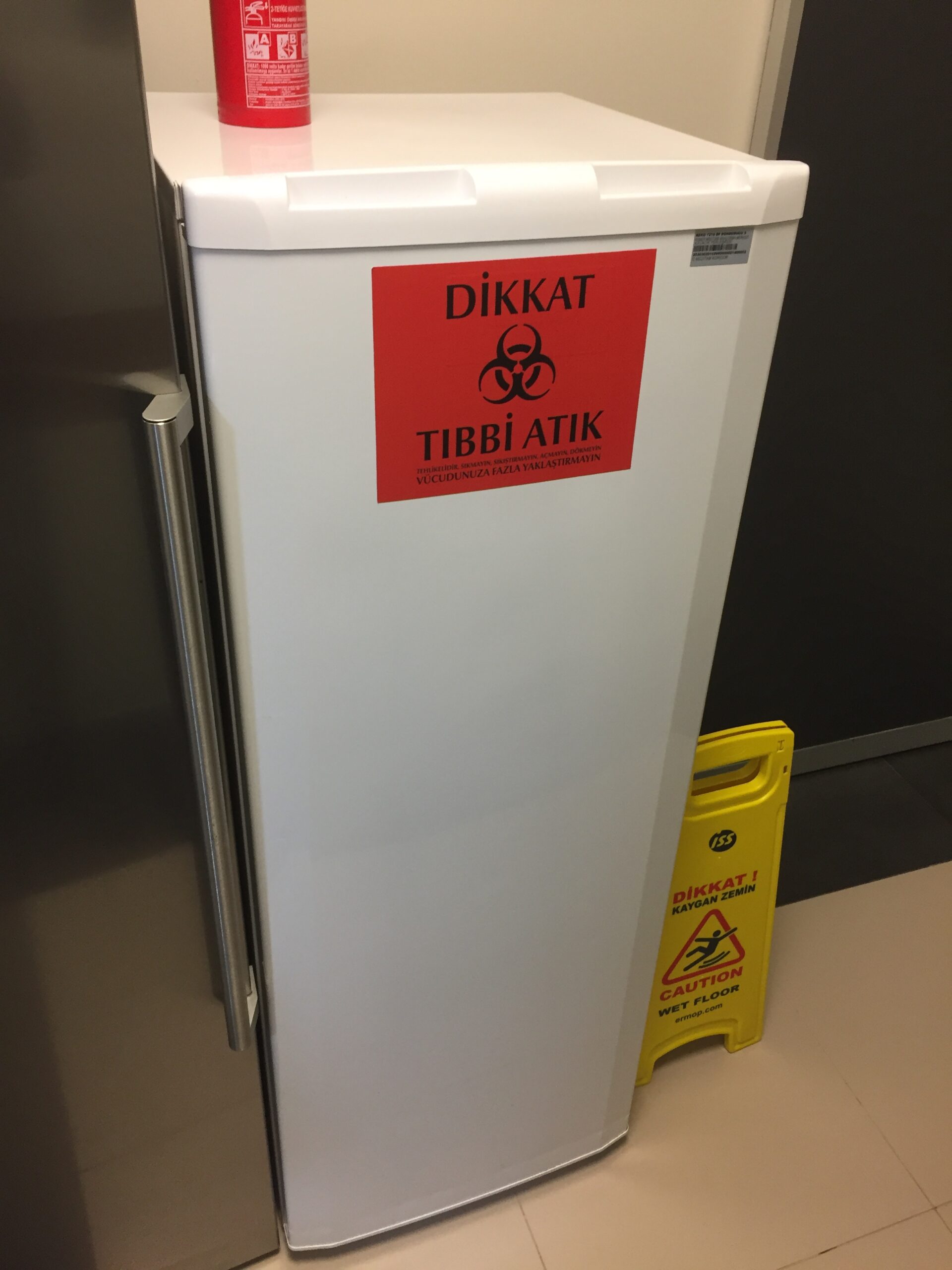
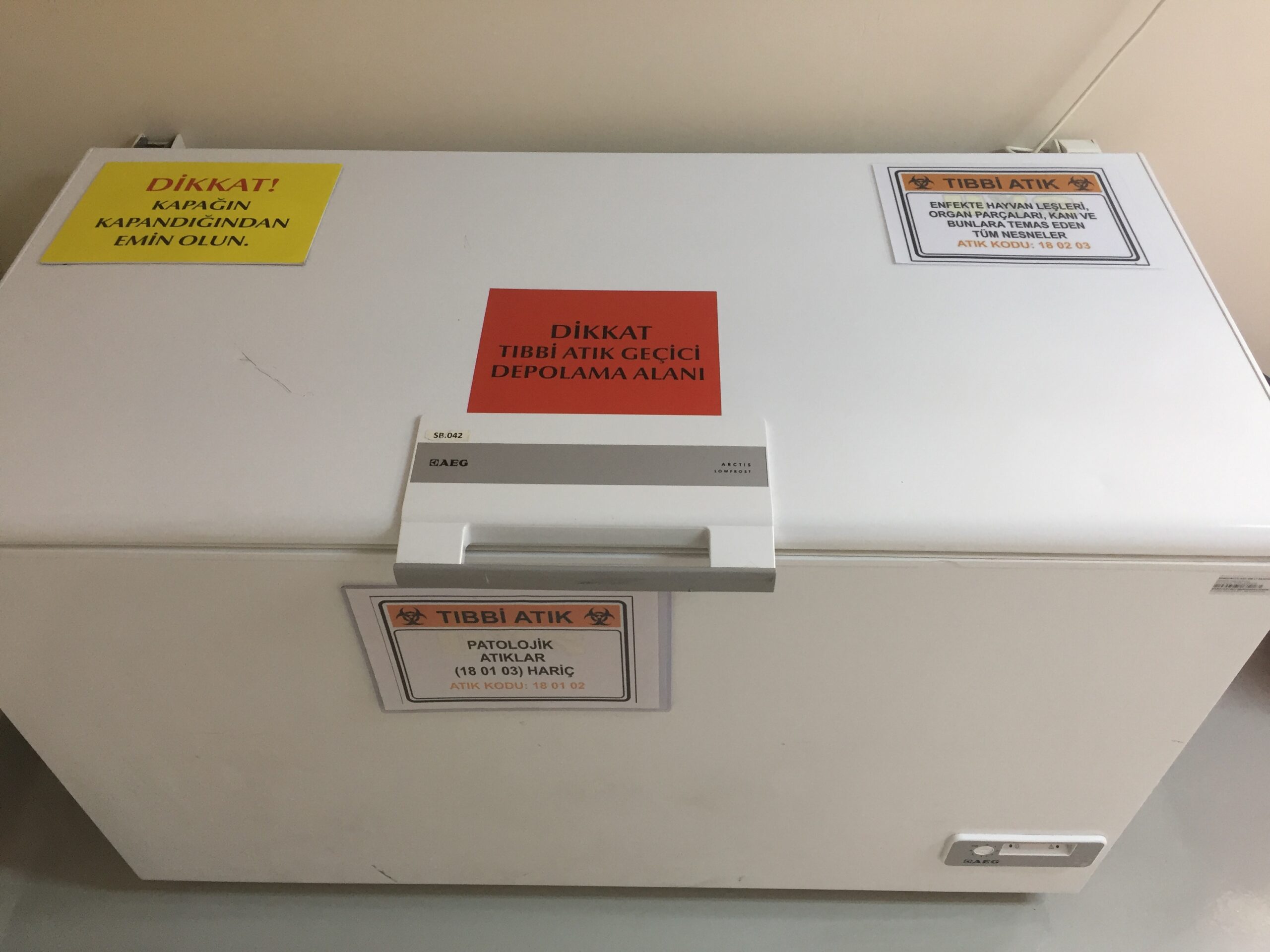
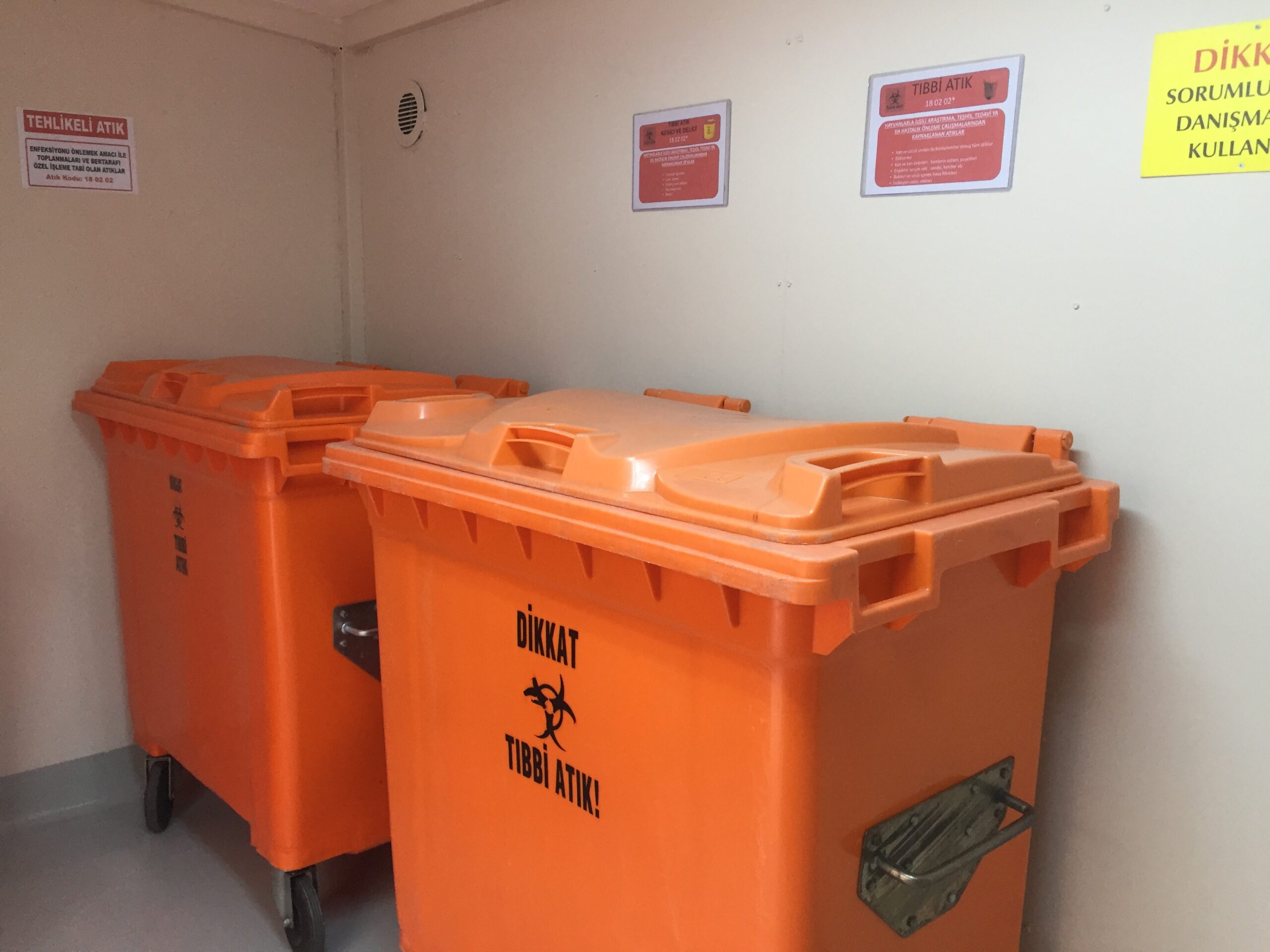
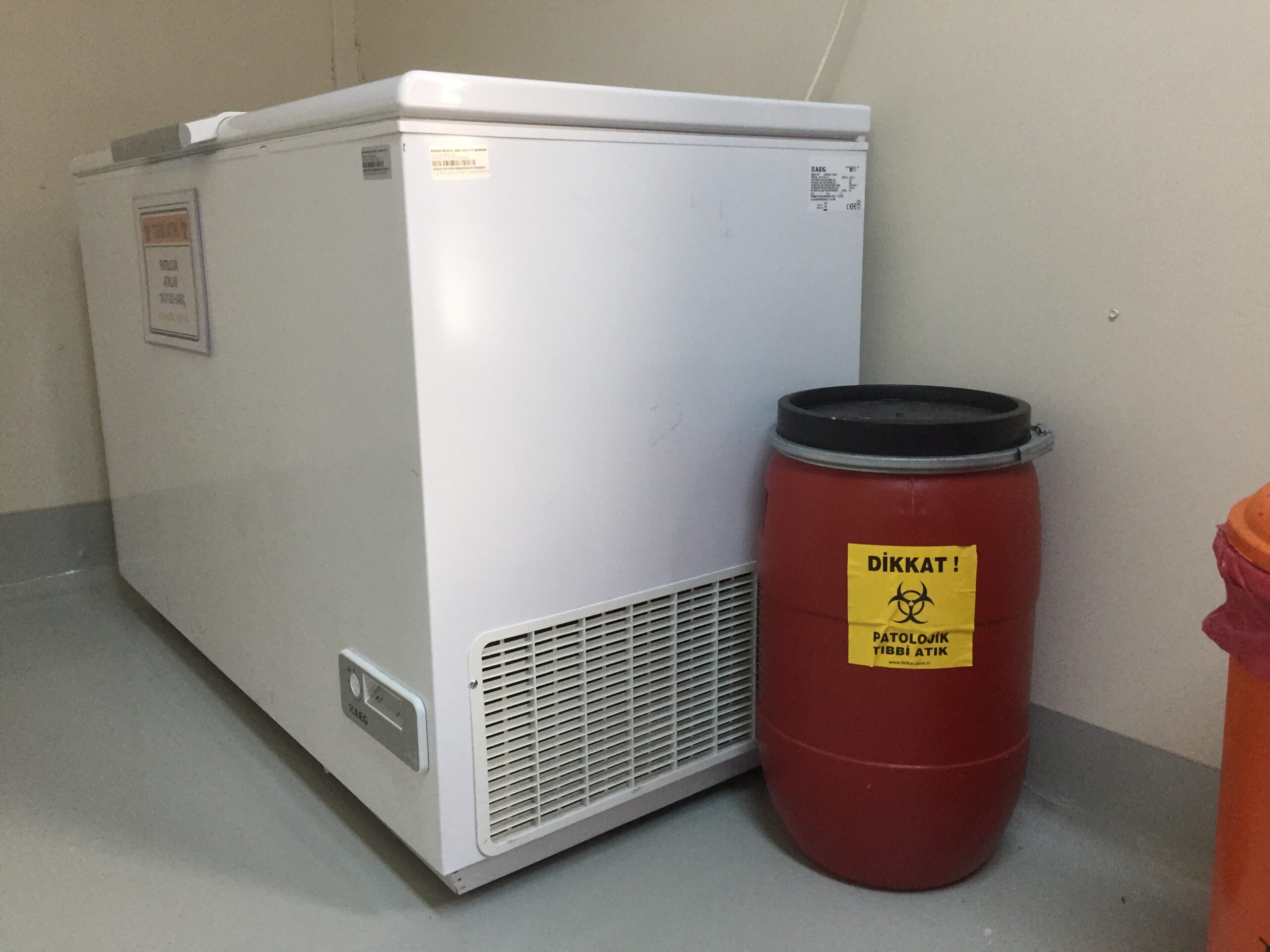
Medical Waste
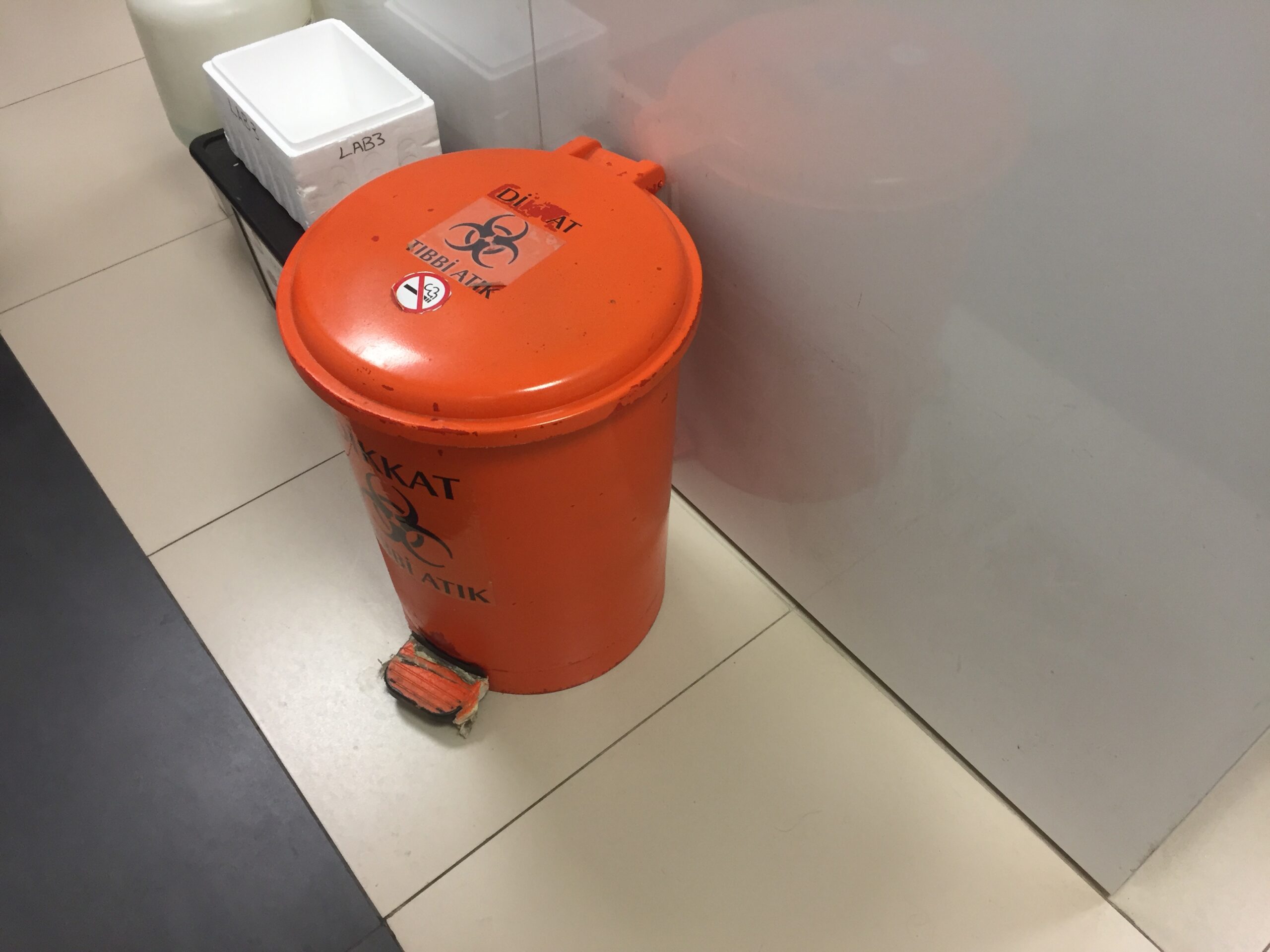
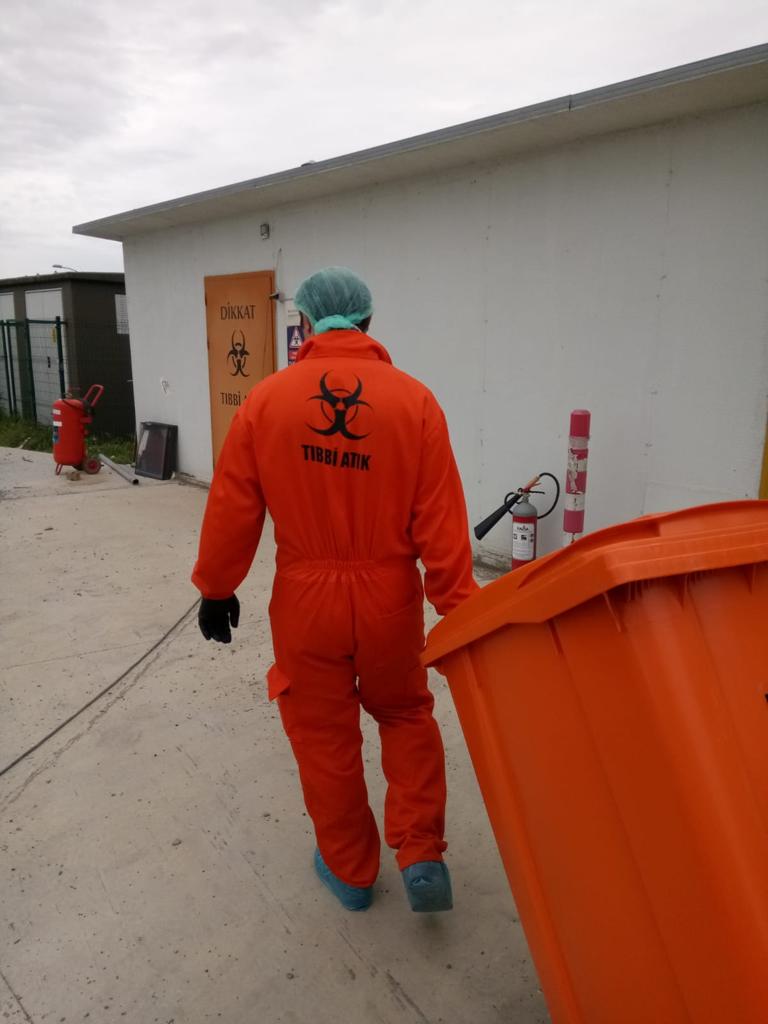
The proper management of medical waste, which inevitably arises in healthcare services and scientific research, is critically important for environmental and public health. Our university, conscious of this responsibility, meticulously implements medical waste management processes in accordance with legal regulations and international standards.
Medical waste management is carried out in all our units with a focus on protecting the environment and human health, and the process is carefully managed.
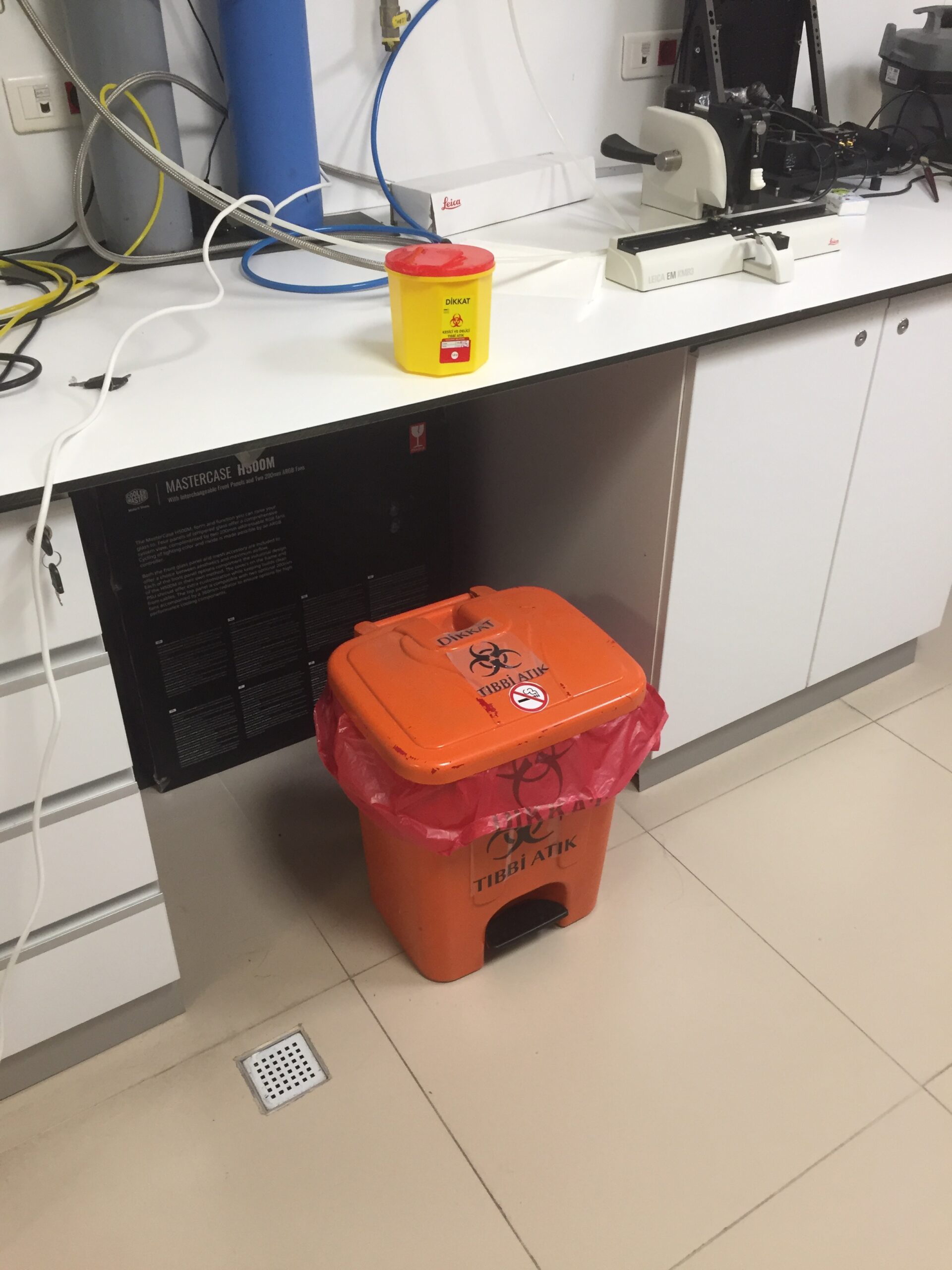
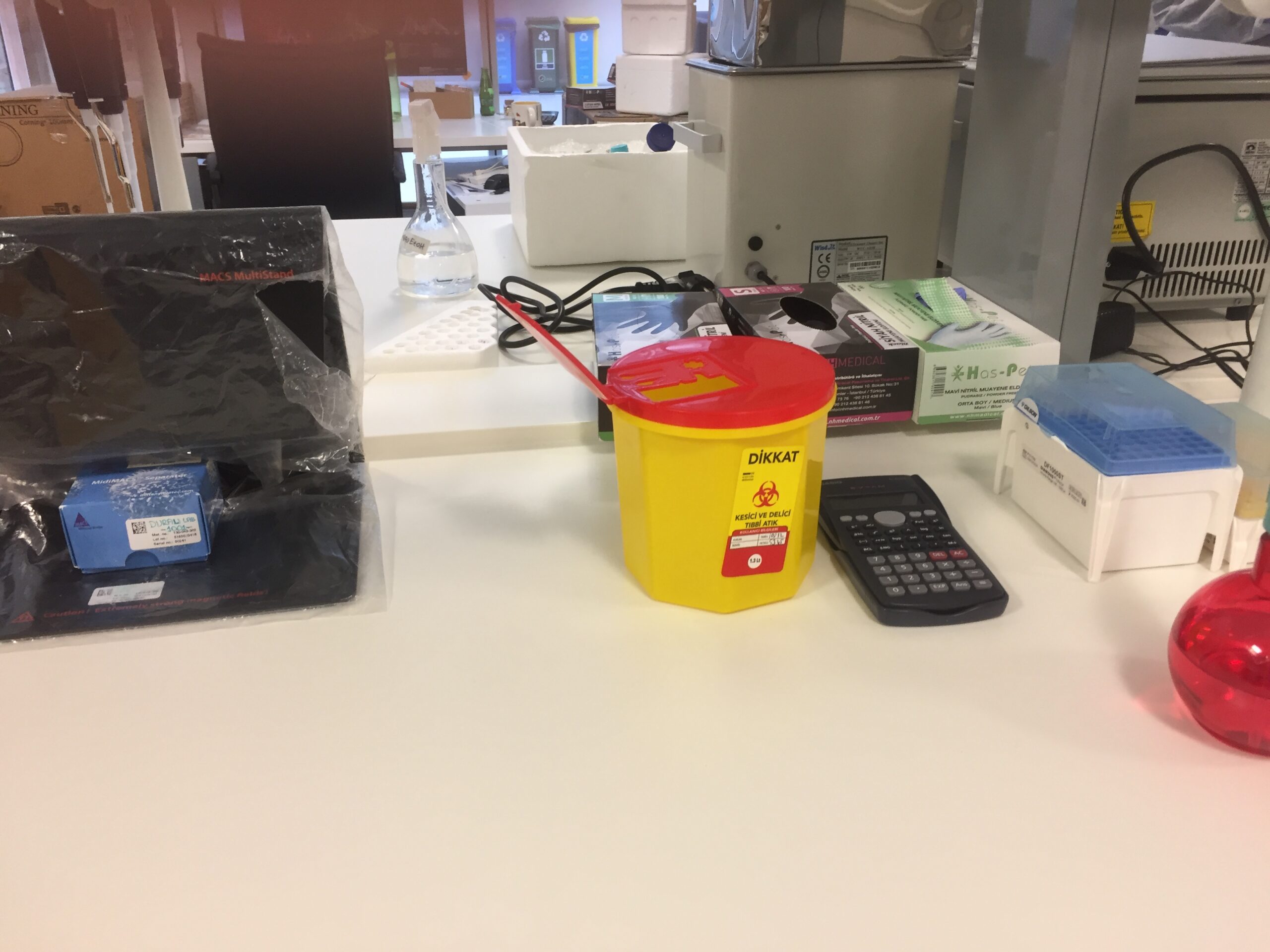
Medical waste is separated from other waste as soon as it is generated and collected in specially designed red medical waste bags and bins.
Medical waste is transported within our campus by authorized personnel in leak-proof and durable transport containers.
Medical waste is stored in our licensed temporary storage areas under conditions that comply with environmental and health standards.
Our university aims to minimize environmental impacts and contribute to public health through its commitment to medical waste management. With the support of all our stakeholders in these processes, we are working towards a cleaner and healthier environment.
Related Links & Reports:
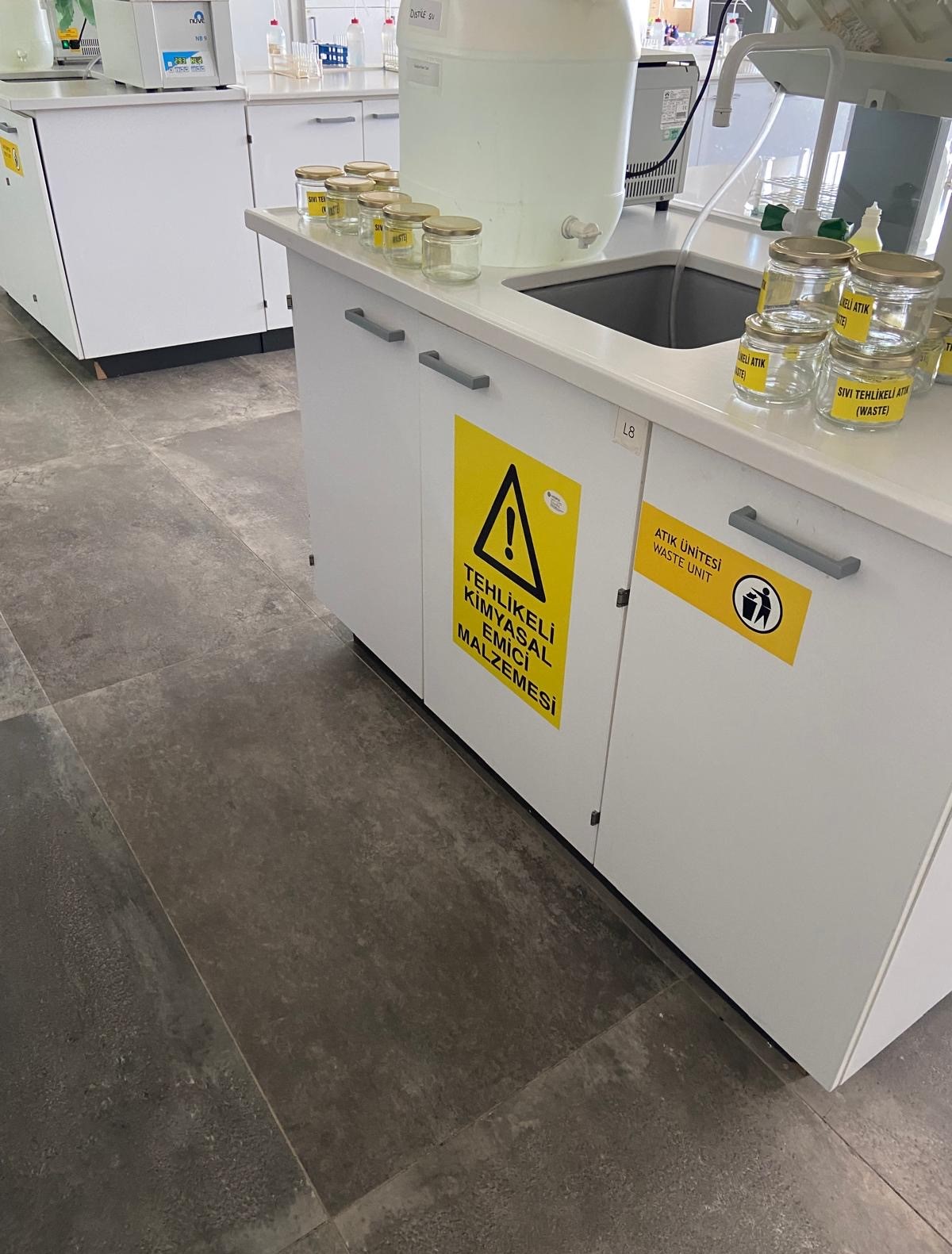
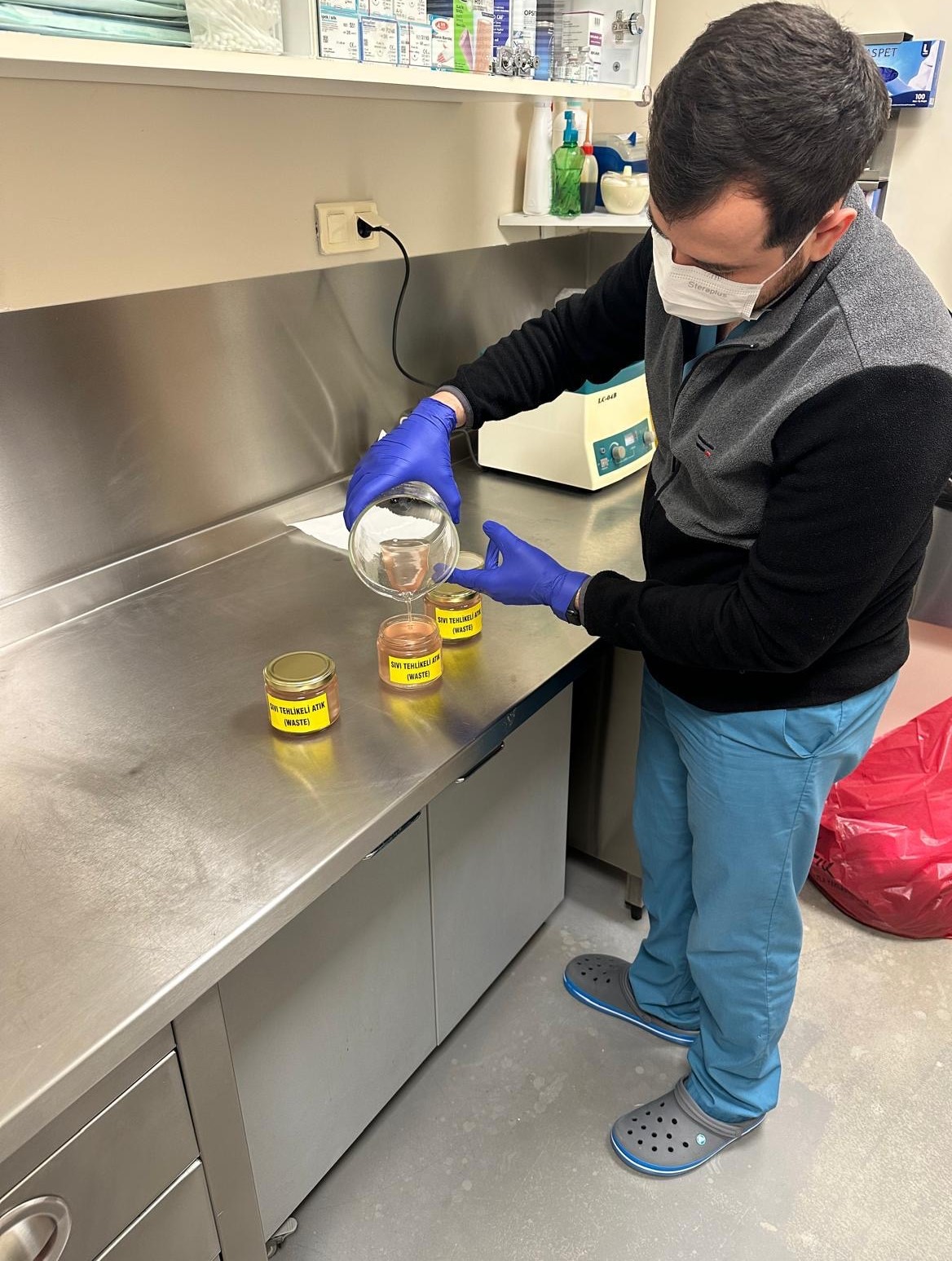
Hazardous Waste
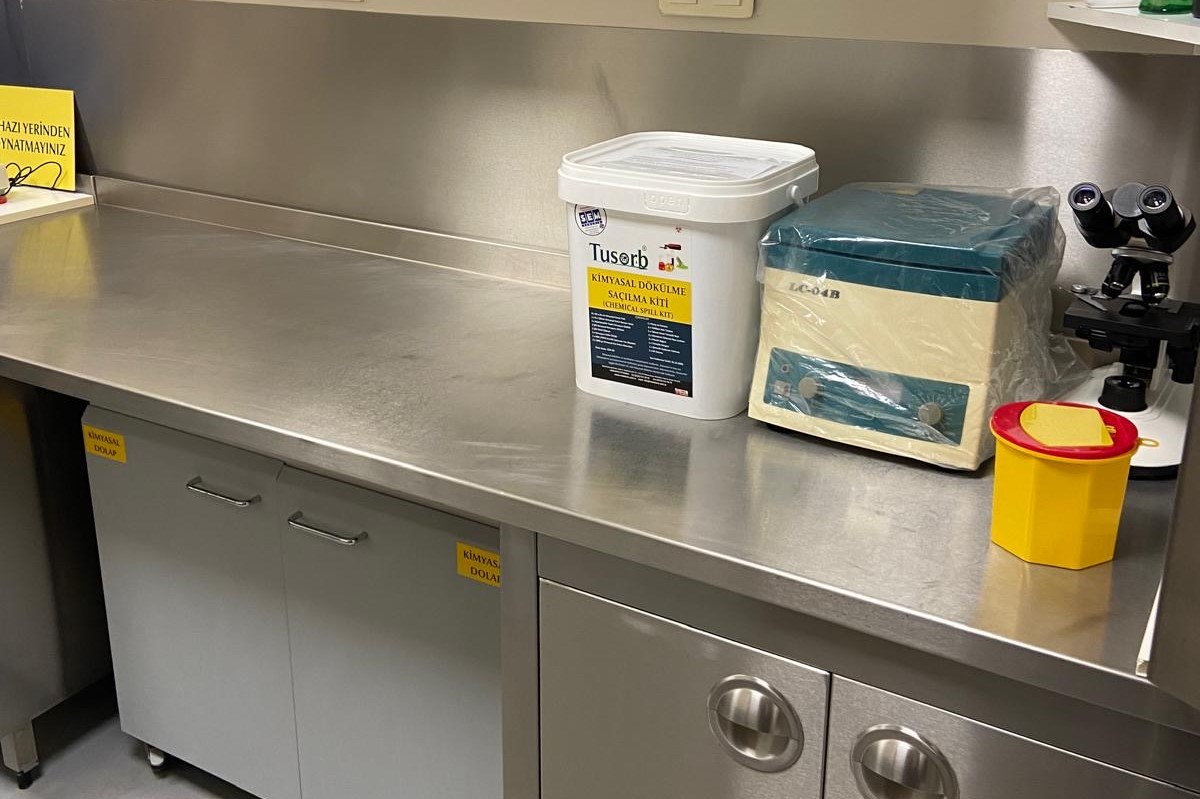
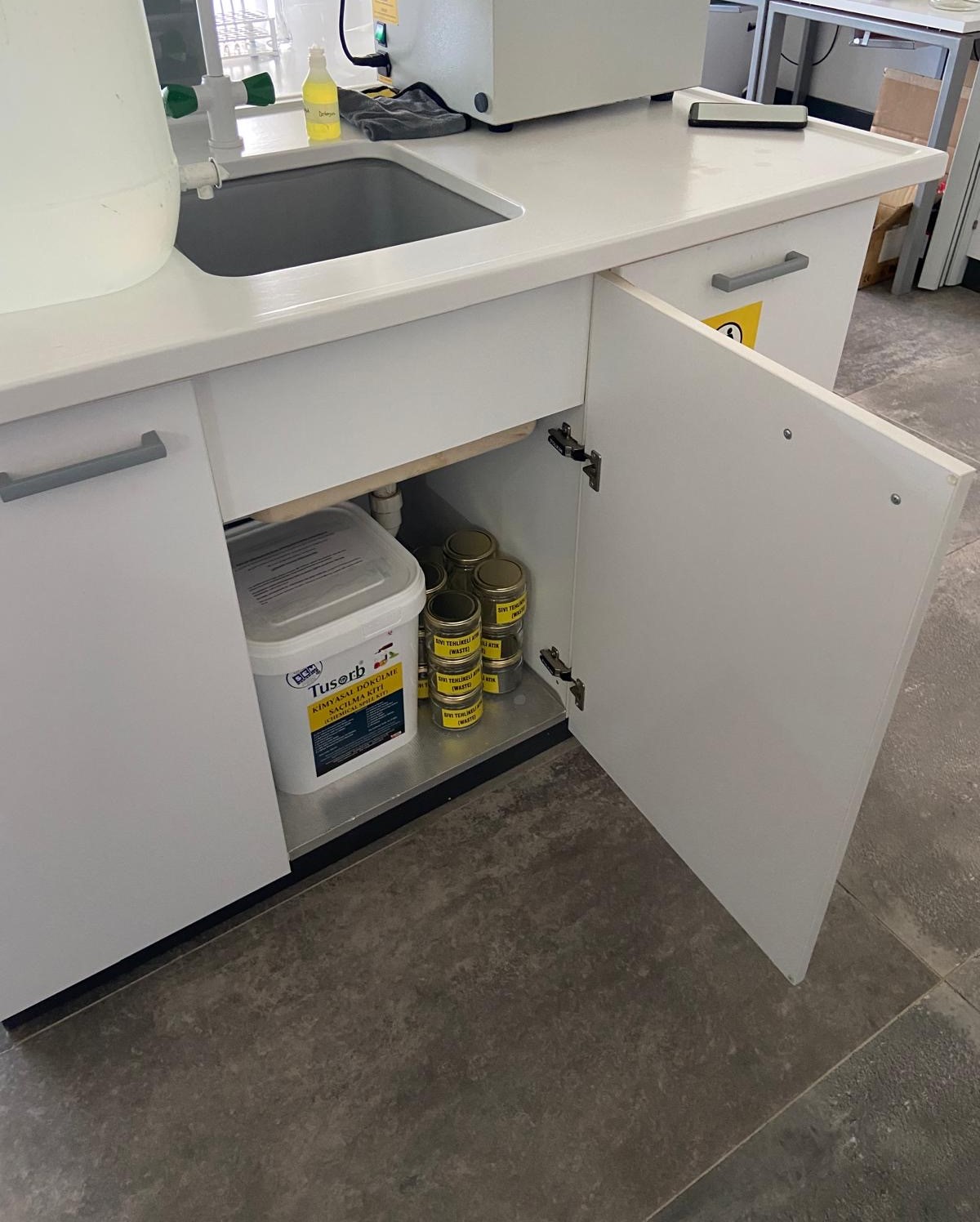
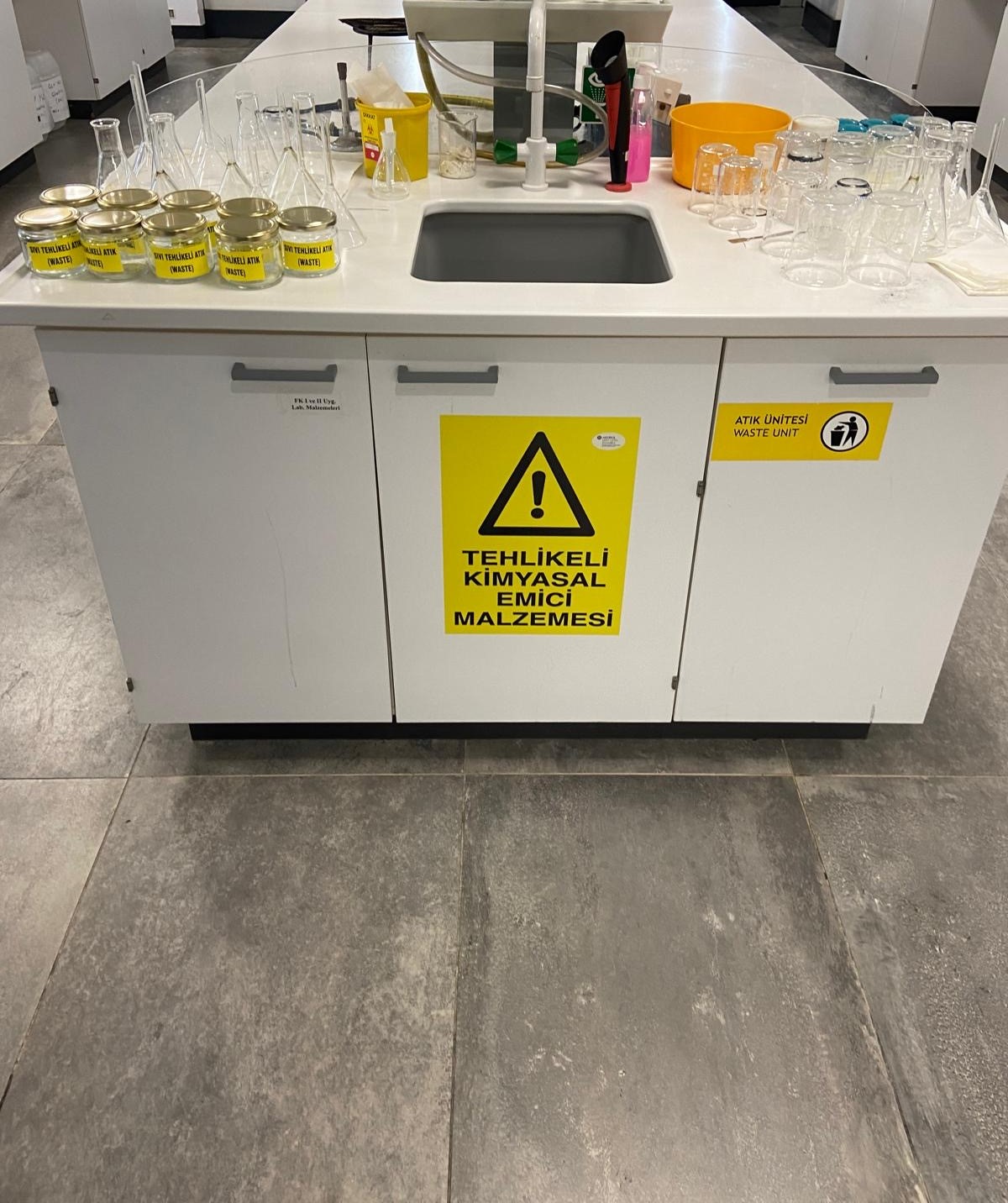
Istanbul Medipol University manages hazardous waste in accordance with national environmental legislation and international sustainability standards. As part of its institutional commitment to SDG 12.4, the university oversees all hazardous waste arising from laboratories, workshops, health services, and research facilities through a centralized monitoring and reporting system.
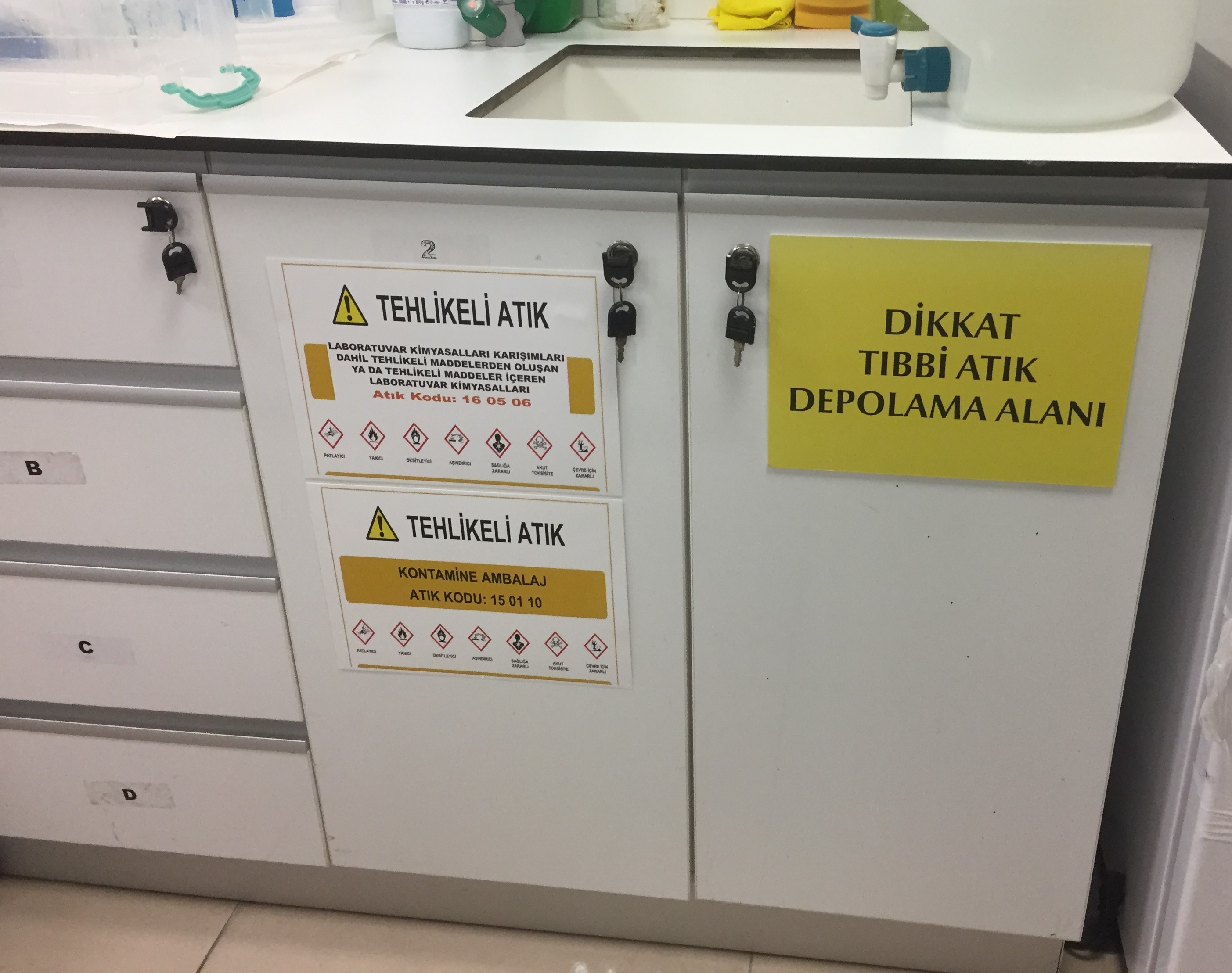
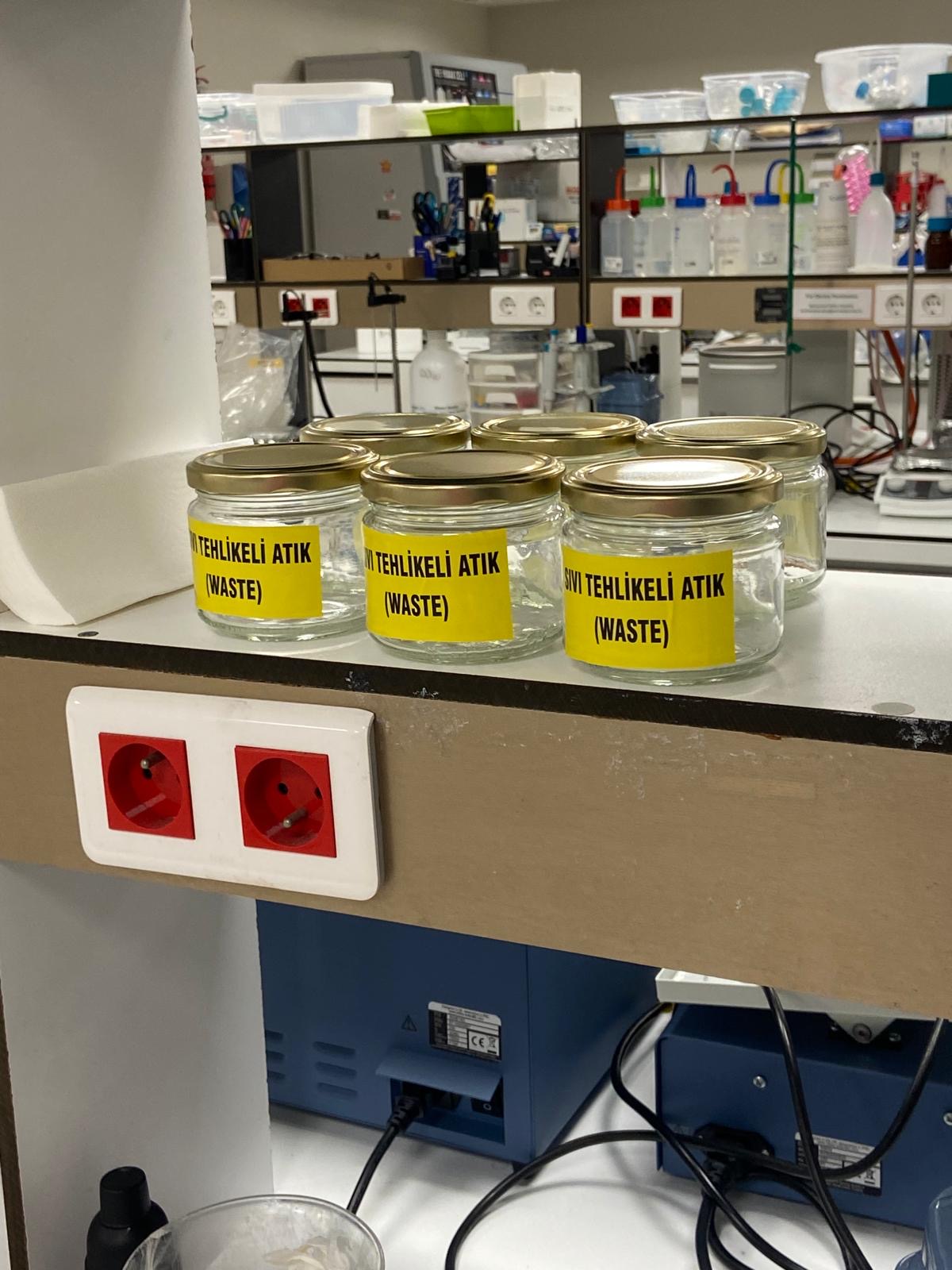
Hazardous waste is recorded at the point of generation and immediately segregated from domestic and recyclable waste streams. Each unit uses color-coded, certified containers suitable for chemical, biological, or toxic materials. These records are tracked through the Waste Management Office, enabling the generation of annual hazardous waste performance reports submitted to the Quality Coordination Board.
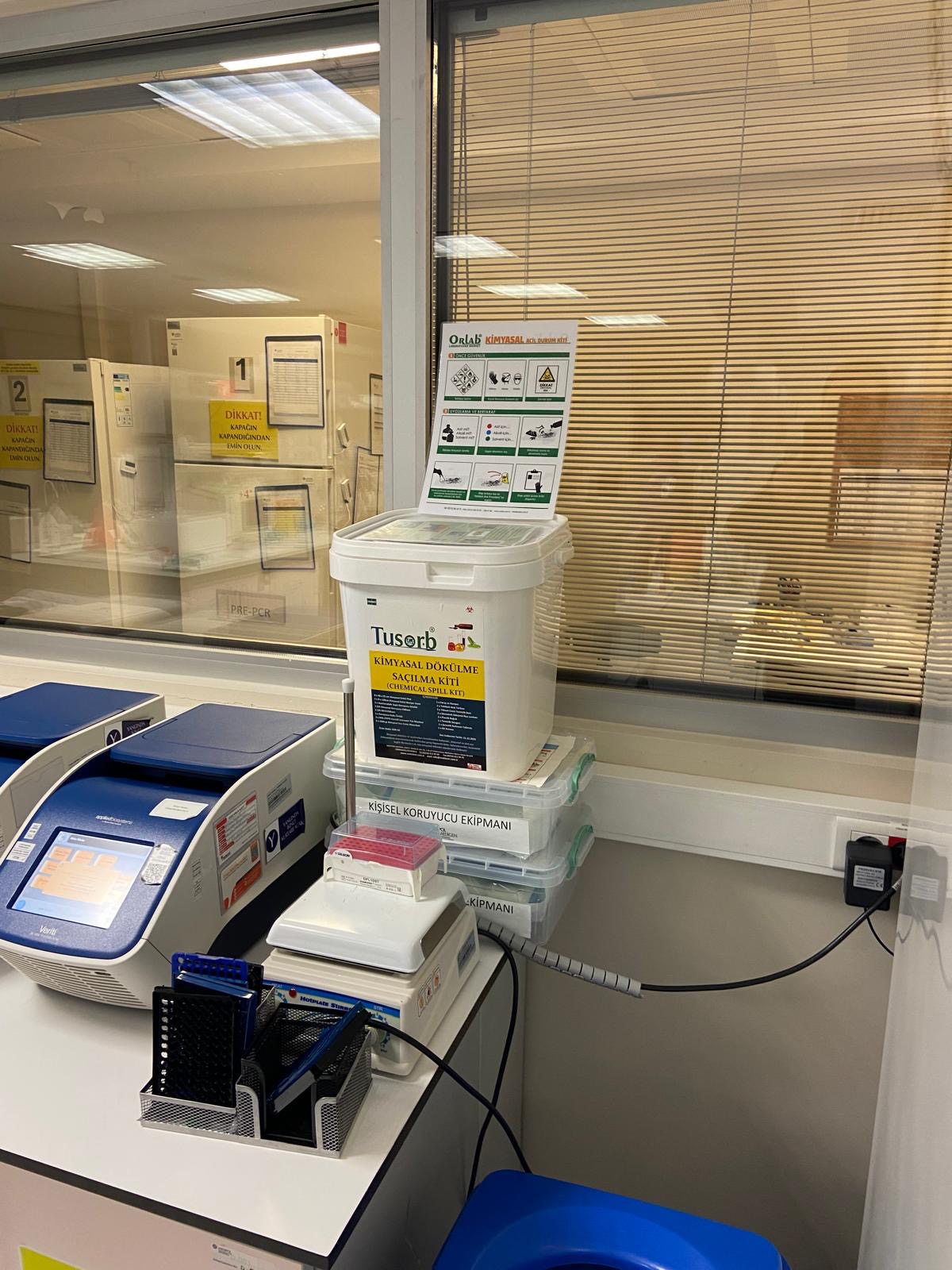
Licensed temporary storage areas across the campus are designed to prevent leakage, contamination, and environmental exposure. All storage practices comply with the Waste Management Regulation and are periodically inspected by the Environment and Energy Management Office to ensure structural safety, temperature control, and labeling accuracy.
Transportation and disposal processes are carried out exclusively through Ministry-authorized waste management companies. Hazardous waste transfer manifests, disposal certificates, and chain-of-custody documents are digitally archived to guarantee full traceability and legal compliance.
Annual awareness programs, laboratory safety seminars, and online training modules strengthen the university community’s knowledge of hazardous waste handling. Academic and administrative personnel working in laboratories must complete mandatory safety training before gaining access to hazardous materials.
Through systematic monitoring, digital documentation, and continuous staff training, Istanbul Medipol University upholds the principles of responsible waste management and contributes to the national transition toward a safer, more sustainable waste infrastructure.
Related Links & Reports:
- Global, regional, and national burden of disorders affecting the nervous system, 1990–2021: a systematic analysis for the Global Burden of Disease Study 2021 01.04.2024
- Brain clocks capture diversity and disparities in aging and dementia across geographically diverse populations 01.12.2024
- TREM2 regulates microglial lipid droplet formation and represses post-ischemic brain injury 01.01.2024
- Neuroecological links of the exposome and One Health 19.06.2024
- Bioactive peptides: an alternative therapeutic approach for cancer management 01.01.2024
- IMpassion132 double-blind randomised phase III trial of chemotherapy with or without atezolizumab for early relapsing unresectable locally advanced or metastatic triple-negative breast cancer 01.07.2024
- A survey on brain tumor image analysis 01.01.2024
- Dynamic Brain Lipid Profiles Modulate Microglial Lipid Droplet Accumulation and Inflammation Under Ischemic Conditions in Mice 06.11.2024
- Modeling tumor growth using fractal calculus: Insights into tumor dynamics 01.01.2024
- Knockdown of NEAT1 prevents post-stroke lipid droplet agglomeration in microglia by regulating autophagy 01.12.2024
- Prognostic Factor Risk Groups for Clinical Stage I Seminoma: An Individual Patient Data Analysis by the European Association of Urology Testicular Cancer Guidelines Panel and Guidelines Office 01.06.2024
- The dual role of microglia in ischemic stroke and its modulation via extracellular vesicles and stem cells 01.03.2024
- Biosensor-Based Nanodiagnosis of Carcinoembryonic Antigen (CEA): an Approach to Classification and Precise Detection of Cancer Biomarker 01.03.2024
- Patterns and Trends in Continuous Glucose Monitoring Utilization Among Commercially Insured Individuals With Type 1 Diabetes: 2010–2013 to 2016–2019 01.06.2024
- Multiple mask and boundary scoring R-CNN with cGAN data augmentation for bladder tumor segmentation in WLC videos 01.01.2024
- A multi-center international study to evaluate the safety, functional and oncological outcomes of irreversible electroporation for the ablation of prostate cancer 01.09.2024
- Investigating the risk factors for isthmocele development after cesarean delivery 01.05.2024
- Oncolytic viruses improve cancer immunotherapy by reprogramming solid tumor microenvironment 01.01.2024
- Transvaginal natural orifice transluminal endoscopic surgery (VNOTES) retroperitoneal sentinel lymph node BIOPSY compared with conventional laparoscopy in patients with endometrial cancer 01.08.2024
- Parallel electrophysiological abnormalities due to COVID-19 infection and to Alzheimer's disease and related dementia 01.10.2024
- LDH-A Inhibitor as a Remedy to Potentiate the Anticancer Effect of Docetaxel in Prostate Cancer 01.01.2024
- Synthesis and Anticancer Activity of Novel Indole Derivatives as Dual EGFR/SRC Kinase Inhibitors 01.01.2024
- The impact of the Naples Prognostic Score on the short- and long-term prognosis of patients undergoing transcatheter aortic valve implantation 01.07.2024
- Do arginine metabolites have a role in periodontitis due to smoking? A new perspective 01.03.2024
- TIM-3/Galectin-9 interaction and glutamine metabolism in AML cell lines, HL-60 and THP-1 01.12.2024
- Antiphospholipid syndrome in the era of COVID-19 – Two sides of a coin 01.09.2024
- Remote Monitoring App for Endocrine Therapy Adherence among Patients with Early-Stage Breast Cancer: A Randomized Clinical Trial 27.06.2024
- Predictive significance of inflammatory markers and mGPS in metastatic castration-resistant prostate cancer treated with abiraterone or enzalutamide 01.01.2024
- Prevalence of cardiovascular diseases and traditional cardiovascular risk factors in patients with rheumatoid arthritis: a real-life evidence from BioSTAR nationwide registry 01.02.2024
- Characterization of resistance genes and replicon typing in Carbapenem-resistant Klebsiella pneumoniae strains 01.12.2024
- Evaluation of the Correlation Between Peripheral Inflammatory Markers and Suicide Risk in Drug-Naive First-Episode Schizophrenia 01.09.2024
- Therapeutic Effect of Silver Nanoparticles in the Management of Diabetic Ulcers: A Systematic Review and Meta-Analysis on RCTs 01.01.2024
- Evaluation of the Relationship Between Air Pollutants and Emergency Department Admissions with Childhood Asthma 01.12.2024
- Fecal microbiota transplantation in autoimmune diseases – An extensive paper on a pathogenetic therapy 01.07.2024
- Treatment outcomes and prognostic factors in patients with driver mutant non-small cell lung cancer and de novo brain metastases 01.12.2024
- Colorectal cancer and associated genetic, lifestyle, cigarette, nargileh-hookah use and alcohol consumption risk factors: a comprehensive case-control study 01.01.2024
- Understanding clinical outcomes and factors influencing mortality in intensive care unit patients with COVID-19-associated candidemia 01.01.2024
- Residues in the fructose-binding pocket are required for ketohexokinase-A activity 01.08.2024
- Evaluation of Hemogram Parameters in the Diagnosis of Pulmonary Embolism: Immature Granulocytes and Other New Tips 01.01.2024
- Comparison of home exercise under supervision and self home exercise in pregnant women with gestational diabetes: randomized controlled trial 01.03.2024
- The impact of using SGLT-2 inhibitor on left ventricular longitudinal strain and NT-proBNP levels during six-month follow-up in diabetic patients with and without coronary artery disease with preserved ejection fraction 01.01.2024
- Alterations of ceramide synthesis induce PD-L1 internalization and signaling to regulate tumor metastasis and immunotherapy response 27.08.2024
- Quercetin/Polyethyleneimine Modified Gold Nanoconjugates Inhibit Apoptosis and ROS Production Induced by Hydrogen Peroxide in DRG Sensory Neurons 01.10.2024
- The impact of humanitarian aid on financial toxicity among cancer patients in Northwest Syria 01.12.2024
- Determination of body image and sexual adjustment in women with breast cancer after surgery 01.01.2024
- Inflammatory and Hematologic Liver and Platelet (HALP) Scores in Hypothermia-Treated Hypoxic–Ischemic Encephalopathy (HIE) 01.01.2024
- Altered DNA methylation and Dnmt expression in obese uterus may cause implantation failure 01.08.2024
- The Potential Role of Boron in the Modulation of Gut Microbiota Composition: An In Vivo Pilot Study 01.10.2024
- Umbilical cord mesenchymal stem cells and lung cancer: We should be hopeful or hopeless? 01.06.2024
- Improving Predictive Efficacy for Drug Resistance in Novel HIV-1 Protease Inhibitors through Transfer Learning Mechanisms 28.10.2024
- The Epidemiological Features and Pathogen Spectrum of Respiratory Tract Infections, Istanbul, Türkiye, from 2021 to 2023 01.06.2024
- Chitosan-based buccal mucoadhesive bilayer tablets enhance the bioavailability of tizanidine hydrochloride by bypassing the first-pass metabolism 01.08.2024
- Gender and Age Trends in HIV Incidence in Türkiye between 1990 and 2021: Joinpoint and Age–Period–Cohort Analyses 01.08.2024
- Changing Trends in the Etiology of Cirrhosis in Türkiye: A Multicenter Nationwide Study 01.10.2024
- Unveiling the challenges of UTUC biopsies and cytology: insights from a global real-world practice study 01.12.2024
- Continuous serratus posterior superior intercostal plane block for postoperative analgesia management in the patient who underwent right atrial mass excision: a case report 01.12.2024
- Evaluation and follow-up of patients diagnosed with hypophysitis: A cohort study 01.09.2024
- Evaluation of the effects of Covid-19 on cochleovestibular system with audiovestibular tests 01.05.2024
- Selenium Supplementation and Gestational Diabetes: A Randomised Controlled Trial 01.05.2024
- Individual ingredients of NP-101 (Thymoquinone formula) inhibit SARS-CoV-2 pseudovirus infection 01.01.2024
- The efficacy of palbociclib and ribociclib in the first-line treatment of metastatic hormone receptor-positive, human epidermal growth factor receptor 2-negative breast cancer in male patients: a Turkish oncology group (TOG) study 01.03.2024
- Cross-sectional analysis of cardiovascular disease and risk factors in patients with spondyloarthritis: a real-life evidence from biostar nationwide registry 01.04.2024
- Is single-port laparoscopy or vaginal natural orifice transluminal endoscopic surgery the better option for salpingo-oophorectomy? 01.11.2024
- The Impact of Cigarette Smoking, Water-Pipe Use on Hearing Loss/Hearing Impairment: A Cross-Sectional Study 01.01.2024
- Alamandin and especially melatonin attenuate pulmonary arterial hypertension induced by monocrotalin 01.12.2024
- Anti-cancer potential of zerumbone in cancer and glioma: current trends and future perspectives 01.05.2024
- The effect of PEGylation components on drug release behavior of targeted reduced graphene oxide based drug delivery system 17.07.2024
- Infection and Autoimmunity 01.01.2024
- Noninvasive Tests to Assess Liver Stiffness in Patients with Chronic Hepatitis B: APRI, FIB-4, and FIB-5 Scores 01.01.2024
- Comparison of liquid-based cytology and cell blocks prepared from cell remnants for diagnosis of cervical pathology 01.04.2024
- Functional Effects of Dandelion (Taraxacum officinale) and Its Use in the Traditional Cuisines 01.01.2024
- Partners in Pain, Two Sides of a Zipper – Midwives’ Experiences With Stillbirth: A Qualitative Study 01.01.2024
- The importance of mechanosensitive cell mediated prostaglandin and nitric oxide synthesis in the pathogenesis of apical periodontitis: comparative with chronic periodontitis 01.06.2024
- Relationship between visceral adiposity index and glycemic and metabolic control in children and adolescents with type 1 diabetes mellitus 01.02.2024
- Protection of Child Health in Emergencies 01.05.2024
- Dynamic phenotypic shifts and M2 receptor downregulation in bladder smooth muscle cells induced by mirabegron 01.01.2024
- The Effect of Dose Enhancement in Tumor With Silver Nanoparticles on Surrounding Healthy Tissues: A Monte Carlo Study 01.01.2024
- Neoadjuvant Pembrolizumab Plus Chemotherapy in Early-Stage Triple-Negative Breast Cancer: A Nationwide Retrospective Turkish Oncology Group Study 01.10.2024
- Neonatal Outcomes of Critical Congenital Heart Defects: A Multicenter Epidemiological Study of Turkish Neonatal Society: Neonatal Outcomes of CCHD 01.02.2024
- Sequential Use of Sorafenib and Regorafenib in Hepatocellular Cancer Recurrence After Liver Transplantation: Treatment Strategies and Outcomes 01.11.2024
- Kidney-Sparing Surgery Has Equivalent Oncological Outcomes to Radical Nephroureterectomy for Ureteral Urothelial Carcinoma 01.09.2024
- Impact of Pre-Operative Ureteroscopy on Bladder Recurrence Following Nephroureterectomy for UTUC 01.08.2024
- Multicenter evaluation of ceftazidime-avibactam use in carbapenem-resistant Klebsiella pneumoniae bloodstream infections in OXA-48 endemic regions 01.12.2024
- Diethylhexyl phthalate exposure amplifies oxidant and inflammatory response in fetal hyperglycemia model predisposing insulin resistance in zebrafish embryos 01.05.2024
- Evaluation of the quality of life of adult patients admitted to the bone marrow transplantation unit 01.01.2024
- Evaluation of treatment outcomes and tolerability in older patients with rectal cancer treated with radiotherapy accompanied by the G-8 geriatric score: TROD13–003 multicenter study 01.04.2024
- Real-World Efficacy and Safety of First-Line Nivolumab Plus Chemotherapy in Patients with Advanced Gastric, Gastroesophageal Junction, and Esophageal Adenocarcinoma: A Nationwide Observational Turkish Oncology Group (TOG) Study 01.06.2024
- vNOTES scarless and painless endometrial cancer staging surgery 01.10.2024
- Migrants' access to healthcare services: evidence from fieldwork in Türkiye 01.11.2024
- The Effect of Nonstress Device Noise Level on Stress Parameters in Primigravid Women: A Randomized Controlled Trial 01.03.2024
- Investigating the effect of radiofrequency electromagnetic field exposure on molecular pathways related to insulin resistance and adipogenesis in zebrafish embryos - A pilot study without quantitative exposure metrics 01.12.2024
- Erdheim-Chester disease with chorioretinal and orbital involvement: a case report 01.01.2024
- Inhibition of phosphodiesterase 10A mitigates neuronal injury by modulating apoptotic pathways in cold-induced traumatic brain injury 01.12.2024
- Protective role of olive oil extract of propolis on short and long-term administration of tamoxifen in rats 01.04.2024
- Total Neoadjuvant Therapy Versus Neoadjuvant Chemoradiation for Locally Advanced Rectal Cancer: A Multi-Institutional Real-World Study 01.09.2024
- Sesquiterpene Coumarins, Chromones, and Acetophenone Derivatives with Selective Cytotoxicities from the Roots of Ferula caspica M. Bieb. (Apiaceae) 01.10.2024
- Eye movement in reading and linguistic processing among bilingualism in oculomotor apraxia in patients with aphasia 01.05.2024
- Dual activity of Minnelide chemosensitize basal/triple negative breast cancer stem cells and reprograms immunosuppressive tumor microenvironment 01.12.2024
- Frequency of SARS-COV-2 infection and COVID-19 vaccine uptake and protection among Syrian refugees: COVID-19 Vaccine among Syrian Refugees 01.12.2024
- Gender inequality in genitourinary malignancies clinical trials leadership 01.12.2024
- Prognostic Significance of the Advanced Lung Cancer Inflammation Index in Metastatic Small Cell Lung Cancer: A Retrospective Analysis of 96 Patients 01.09.2024
- Global impact on human obesity – A robust non-linear panel data analysis 01.07.2024
- Optimizing Outcomes in Heart Transplantation: The Role of High-Intensity Statin Therapy 01.12.2024
- Cryptogenic stroke and patent foramen ovale: endeavoring for clarity 01.01.2024
- Synthesis of New Imidazo[1,2-a]pyridine Triazole Hybrid Molecules as Potential Apoptotic Antitumor Agents 26.02.2024
- Breastfeeding Duration Reduces the Risk of Childhood Leukemia and Modifies the Risk of Developing Functional Gastrointestinal Disorders 01.07.2024
- Prognostic significance of HER2 loss after HER2-targeted neoadjuvant treatment in patients with HER2-positive locally advanced breast cancer 01.06.2024
- The Impact of Serums Calcium 25-Hydroxy Vitamin D, Ferritin, Uric Acid, and Sleeping Disorders on Benign Paroxysmal Positional Vertigo Patients 01.08.2024
- Experimental design and characterization of dual-antibody-conjugated all-trans retinoic acid-loaded lipid nanoparticles as a potential cancer therapy 01.10.2024
- The Status of Spermatogenesis in Germ Cell Tumor Bearing Testis and Its Association with Metastatic Disease 01.06.2024
- Global human obesity and political globalization; asymmetric relationship through world human development levels 01.07.2024
- Effects of human papillomavirus and LEEP on sexual function 01.02.2024
- Global Andrology Forum Clinical Practice Guidelines on the Management of Premature Ejaculation 01.01.2024
- LUNGBANK: a novel biorepository strategy tailored for comprehensive multiomics analysis and P-medicine applications in lung cancer 01.01.2024
- The association of HLA-DRB1 alleles and MBL2 gene variant in pediatric acute lymphoblastic leukemia patients 01.10.2024
- The prognostic factors in patients with advanced hepatocellular carcinoma: impact of treatment sequencing 01.01.2024
- Publication Trends on Infective Endocarditis: Comprehensive Bibliometric Analysis and Visualization Between 1892 and 2022 01.05.2024
- Association between vertebral artery dominance and basilar artery curvature in migraineurs: an anatomical magnetic resonance imaging study 01.06.2024
- Immune-dysregulation harnessing in myeloid neoplasms 01.09.2024
- Efficacy of everolimus plus hormonal treatment after cyclin-dependent kinase inhibitor; real-life experience, A TOG study 01.12.2024
- Characteristics and predictors of chronic kidney disease in children with myelomeningocele: a nationwide cohort study 01.05.2024
- Factors affecting mortality in COVID-19-associated pulmonary aspergillosis: An international ID-IRI study 30.07.2024
- The impact of plasma-rich platelet injection to perianal sphincters on incontinence and quality of life in patients with rectal cancer after low anterior or intersphincteric resection: a prospective cohort study 01.12.2024
- Primary Tuberculous Pyomyositis of the Left Forearm Muscles 01.09.2024
- Prognostic Impact of the Tricuspid Annular Plane Systolic Excursion/Pulmonary Arterial Systolic Pressure Ratio in Acute Pulmonary Embolism 01.10.2024
- Immune Checkpoint Blockade Therapies Efficacy and Toxicity in Patients With Impaired Renal Function in Metastatic Bladder Cancer 01.12.2024
- Portocaval shunts' role in gut microbiota and hepatic encephalopathy: The gut-to-brain pathway 21.11.2024
- Predictors of Residual Right to Left Shunt in Patients Undergoing Percutaneous Transcatheter Patent Foramen Ovale Closure: A New Clue “Inferior Vena Cava-Patent Foramen Ovale Angle” 01.11.2024
- Objective Response Rate is a Surrogate Marker for Long-Term Overall Survival in Metastatic Urothelial Carcinoma Patients Treated With Immune Checkpoint Inhibitors 01.10.2024
- Exploring The Prognostic Significance of SET-Domain Containing 2 (SETD2) Expression in Advanced and Castrate-Resistant Prostate Cancer 01.04.2024
- Can artificial intelligence detect type 2 diabetes in women by evaluating the pectoral muscle on tomosynthesis: diagnostic study 01.12.2024
- Management of the Axilla After Neoadjuvant Chemotherapy: Can Axillary Needle Biopsy Replace Sentinel Node Biopsy? 01.09.2024
- A novel method for the evaluation of right ventricular dysfunction in acute pulmonary embolism: Myocardial work indices 01.09.2024
- Development of Molecular-Based Screening Test for Hepatitis B Virus in Human Plasma Samples 01.01.2024
- Long-term outcomes of preventing parastomal hernia using the modified stapled mesh stoma reinforcement technique (SMART) in rectal cancer surgery: letter to the editor 01.10.2024
- mucormycosis: The international ID-IRI study 01.07.2024
- Geographical variations and predictors of coronary artery disease mortality in Turkiye: an environmental and behavioral analysis 01.12.2024
- Vaccine-induced strain replacement: theory and real-life implications 01.01.2024
- The effects of mechanical hippotherapy riding on postural control, balance, and quality of life (QoL) in patients with stroke 01.01.2024
- Physical and Mental Health Characteristics of Hospitalized COVID-19 Patients with and without Type 2 Diabetes Mellitus in Türkiye 01.04.2024
- Concomitant Right Atrial Hemangioma Resection With LVAD Implantation: First-in-Human Experience 18.12.2024
- Micro-and Macrostructural Language Features in Vertebrobasilar or Carotid System Stroke Without Diagnosis of Aphasia 01.11.2024
- The effects of Ajwain (Trachyspermum copticum L.) in Opioid Withdrawal Syndrome: A Narrative Review 01.08.2024
- Association of arbitrary prescribing behavior to costly drug expenditures: a pharmacoeconomic study in primary care 01.01.2024
- Efficacy of adjuvant capecitabine in residual triple negative breast cancer: a multicenter observational Turkish Oncology Group (TOG) study 01.01.2024
- Improvement of current immunotherapies with engineered oncolytic viruses that target cancer stem cells 01.06.2024
- Prenatal Detection and Postnatal Outcome of Persistent Left Superior Vena Cava and Agenesis of Ductus Venosus Associated with Postnatal Bovine Aortic Arch 11.06.2024
- A study on the relationship between malignancy and diabetes 01.02.2024
- Survival Outcomes of Patients with Primary Plasma Cell Leukemia in the Era of Proteasome Inhibitors and Immunomodulatory Agents: A Real-Life Multicenter Analysis 01.01.2024
- Diabetes-related clinical and microstructural white matter changes in patients with Alzheimer's disease 01.05.2024
- Potential Diagnostic Value of Abnormal Pyroptosis Genes Expression in Myelodysplastic Syndromes (MDS): A Primary Observational Cohort Study 01.01.2024
- Social isolation initiated post-weaning augments ischemic brain injury by promoting pro-inflammatory responses 01.05.2024
- Profiles of primary brain abscesses and their impact on survival: An international ID-IRI study 01.10.2024
- Beyond traditional therapies: clinical significance of complex molecular profiling in patients with advanced solid tumours—results from a Turkish multi-centre study 01.05.2024
- Exploring Inflammatory Markers and Risk Factors Associated with Pericarditis Development after Ablation for Atrial Fibrillation 01.10.2024
- Evaluation of the efficacy and safety of nivolumab in the second- or later-line treatment of patients with locally advanced/metastatic non-small cell lung cancer in Türkiye: a retrospective multicenter non-interventional registry study 01.01.2024
- Effect of mediterranean diet on breast cancer: meta-analysis 12.11.2024
- mTOR Pathway Inhibition, Anticancer Activity and In Silico Calculations of Novel Hydrazone Derivatives in Two- and Three-Dimensional Cultured Type 1 Endometrial Cancer Cells 01.12.2024
- Association of the Naples Prognostic Score with Long-Term Adverse Events in Chronic Limb-Threatening Ischemia After Below-the-Knee Endovascular Revascularization 01.12.2024
- An in silico investigation on the binding site preference of PD-1 and PD-L1 for designing antibodies for targeted cancer therapy 01.07.2024
- Are we heroes or couriers? A phenomenological study on reappropriation of professional subjectivity and agency among health professionals during COVID-19 contact tracing in Türkiye 01.06.2024
- Integrated FDG-PET/CT contribution over cross-sectional imaging in recurrence or progression of pancreaticobiliary neoplasms 01.01.2024
- Bioinformatics design of a peptide vaccine containing sarcoma antigen NY-SAR-35 epitopes against breast cancer and evaluation of its immunological function in BALB/c mouse model 01.06.2024
- Priming constraint-induced movement therapy with intermittent theta burst stimulation to enhance upper extremity recovery in patients with stroke: protocol for a randomized controlled study 01.06.2024
- Dosing-time, feeding, and sex-dependent variations of everolimus pharmacokinetics in mice 01.10.2024
- The Uric Acid-to-High-Density Lipoprotein Cholesterol Ratio: A New Biomarker for Predicting Arrhythmia Recurrence After Atrial Fibrillation Ablation 01.12.2024
- Prognostic impact of main pulmonary artery to ascending aorta diameter ratio in patients with severe aortic stenosis underwent transcatheter aortic valve implantation 01.04.2024
- Early Atherosclerosis and Conduction Defect in a Rare Case of Dunnigan Type Familial Partial Lipodystrophy 01.03.2024
- A multicenter, retrospective archive study of radiological and clinical features of ALK-positive non-small cell lung cancer patients and crizotinib efficacy 24.05.2024
- Temporal Dynamics of Hepatitis B Infection and Relation of Childhood Vaccination Program in Türkiye: A Longitudinal Study 01.09.2024
- Is it Time to Reappraise for Black-Box Warning on AngioJet Rheolytic Thrombectomy in Patients with Pulmonary Embolism: A Systematic Review and Meta-analysis 01.06.2024
- Genetic testing and counseling challenges in personalized breast cancer care: review article with insights from Türkiye 01.01.2024
- LSTM-driven drug design using SELFIES for target-focused de novo generation of HIV-1 protease inhibitor candidates for AIDS treatment 01.06.2024
- A survey of artificial intelligence/machine learning-based trends for prostate cancer analysis 01.12.2024
- Efficacy and safety of sulforaphane-loaded emulsomes as tested on MCF7 and MCF10A cells 01.10.2024
- Assessing the Impact of Serum Calcium, 25-Hydroxy Vitamin D, Ferritin, and Uric Acid Levels on Colorectal Cancer Risk 01.01.2024
- The association between calreticulin and glucagon-like peptide-1 expressions with prognostic factors in high-grade gliomas 01.01.2024
- The role of circadian rhythm proteins Rev-Erbα and β in the development of neuronal injury after traumatic brain injury 01.01.2024
- Ceftazidime–Avibactam Versus Polymyxin-Based Combination Therapies: A Study on 30-Day Mortality in Carbapenem-Resistant Enterobacterales Bloodstream Infections in an OXA-48-Endemic Region † 01.10.2024
- Evidence-based Approach for Prevention of Surgical Site Infection 01.09.2024
- Factors Related to Prevalence of Depression in Türkiye: A Population-Based Study 01.01.2024
- Field-applicable simultaneous multiplex LAMP assay for screening HBV and HCV co-infection in a single tube 01.12.2024
- Effect of radiation dose rates and cisplatin on cytogenetic damage in rats receiving head–neck radiotherapy 01.01.2024
- Reliability, validity and normative data of the timed water swallow test accompanied by sEMG 01.11.2024
- Characterization and comparison of insulinoma tumor model and pancreatic damage caused by the tumor, and identification of possible markers 01.12.2024
- Editorial for “Early Identification of Pathologic Complete Response to Neoadjuvant Chemotherapy Using Multiphase DCE-MRI by Siamese Network in Breast Cancer: A Longitudinal Multicenter Study” 01.10.2024
- Nasopharyngeal Carcinoma Masquerading as Temporomandibular Disorder 01.11.2024
- Kidney stereology 15.07.2024
- Radiological changes in the thymus in patients who have had COVID-19 and in vaccinated persons who have not had COVID-19: a CT study 01.11.2024
- The Effect of Age on High-Dose Therapy with Autologous Stem Cell Support in Multiple Myeloma: A Single-Center Experience 01.07.2024
- Effect of Trastuzumab and Lonidamine-Loaded Lipid Nanoparticles (LNP) on HER2+ Breast Cancer 11.06.2024
- Baseline coronary artery stenosis severity is an independent predictor of subsequent poor sleep quality in patients with acute coronary syndrome 01.06.2024
- Explosive Behavior in COVID-19 and Policy Responses: Lessons Learned for Public Health Management 01.01.2024
- The p53/miRNA Axis in Breast Cancer 01.11.2024
- Developing an Index to Measure the Value of Health Care Provided to Stroke Patients 01.01.2024
- Role of serum fibroblast growth factor-23 and Klotho level in COVID-19 infection-related mortality: a prospective study 01.12.2024
- Evaluation of the Relationship Between Portal Vein Diameter and Colorectal Liver Metastases on Computed Tomography 01.09.2024
- Mitral Annular Calcification as a Challenging Concomitant Factor for Patients Underwent TAVI 01.01.2024
- Predicting Severe Respiratory Failure in Patients with COVID-19: A Machine Learning Approach 01.12.2024
- Survey to Assess the Impact of the COVID-19 Pandemic on Tinnitus Perception 01.04.2024
- Evaluation of the association of mucosa-associated invariant T (MAIT) cells with childhood asthma 01.01.2024
- Editorial: Women in brain health and clinical neuroscience volume II: 2023 01.01.2024
- Assessment of Non-Vitamin K Antagonist Oral Anticoagulant Dosing Patterns in Turkish Patients with Non-Valvular Atrial Fibrillation: A Multicenter, Cross-Sectional Study with Insights from the ASPECT-NOAC Study 01.12.2024
- Predictors of major adverse cardiovascular events in patients with coronary artery perforation treated with covered stents 01.01.2024
- Short-term azithromycin use is associated with QTc interval prolongation in children with cystic fibrosis 01.07.2024
- Malaria and Autoimmunity 01.01.2024
- The efficacy of immunotherapy and chemoimmunotherapy in patients with advanced rare tumors: A Turkish oncology group (TOG) study 01.01.2024
- Prognostic Implications of Baseline and New-Onset Fragmented QRS Complex in Patients Undergoing Transcatheter Aortic Valve Implantation 01.01.2024
- Challenges in the Management of Dislodged Coronary Stent Embolization: A Case Report 01.01.2024
- Acute acalculous cholecystitis due to hepatitis B virus reactivation: A case report and review of the literature 01.04.2024
- Standardization of Pediatric Cardiovascular Anomaly Anatomy Reconstructions 01.01.2024
- A rare cranial disease: Prolactinoma-associated moyamoya syndrome 01.07.2024
- Rates of PCR Positivity of Pleural Drainage Fluid in COVID-19 Patients: Is It Expected? 01.12.2024
- Telehealth: A bridge divided? Bridging the digital divide for equitable healthcare access 01.07.2024
- Antibody responses post-booster COVID-19 vaccination: Insights from a single-center prospective cohort study 01.10.2024
- Gout and erectile dysfunction: Increased carotid intima-media thickness is independently associated with greater likelihood for erectile dysfunction 01.09.2024
- Microarray Analysis to Determine Gene Expression Changes in Zebrafish Embryos 01.01.2024
- Radiological Features of Rare Non-odontogenic Lesions of the Jaws 01.01.2024
- Community-Acquired Pneumonia in the Immunocompromised Patients: An Observational Study from a Single Center, Türkiye 01.01.2024
- Predictive Value of Plasma Zonulin Levels during Early Gestational Weeks in Gestational Diabetes Mellitus 01.12.2024
- From Atmosphere to Health Outcomes: Analyzing Predictors of Respiratory Disease Mortality in Turkiye 01.09.2024
- Exploring the Relationship Between Dietary Phytochemical Index and Chemotherapy-Related Symptoms: Insights From a Cross-Sectional Study 01.12.2024
- Atypical presentation of PJP: hypercalcemia and kidney injury in an allogeneic stem cell transplant recipient 01.12.2024
- Changes in Quality of Alimentation, Anthropometric Measurements, Emotional and Appetite Status of Bariatric Surgery Patients: A Retrospective Cohort Study 01.01.2024
- Investigation of usage of antenatal care services by Syrian immigrant pregnant women and the frequency of anaemia and hypertension during the pandemic 01.01.2024
- COVID-19 disease in children and adolescents following allogeneic hematopoietic stem cell transplantation: A report from the Turkish pediatric bone marrow transplantation study group 01.05.2024
- Salmonella osteomyelitis due to irak-4 deficiency 01.07.2024
- Effectiveness of Intermittent Theta Burst Stimulation to Enhance Upper Extremity Recovery After Stroke: A Pilot Study 01.10.2024
- Adrenocortical Carcinoma 01.01.2024
- Preoperative co-application of bevacizumab and tissue plasminogen activator in vitrectomy for proliferative diabetic retinopathy 01.01.2024
- Turkish Translation and Cross-Cultural Validity of WHOQOL-HIV Bref Tool 01.01.2024
- The Effect of PET/CT-Derived Parameters on the Prediction of Survival in Lung Cancer Patients 01.01.2024
- The stereology of the urinary bladder 15.07.2024
- Association Between Body Mass Index and Survival in Patients with De Novo Metastatic Non-Small Cell Lung Cancer 01.01.2024
- Refractory Burkitt Lymphoma Following Acute Lymphoblastic Leukemia in a Patient with Homozygous PMS2 Deficiency 01.01.2024
- Changes in Cognitive Functions Caused by Acute Hypothyroidism During Withdrawal of L-Thyroxine in Patients with Differentiated Thyroid Carcinoma 01.07.2024
- Is having a moderate or low history, electrocardiogram, age, risk factors, troponin risk score a handicap for long-term mortality? 01.01.2024
- Pancreatic and Hepatic Steatosis in Women with Type 2 Diabetes after Pancreatitis: A Retrospective Cross-Sectional Study 01.01.2024
- A Case of Rapidly Progressing Tumoral-Stage Mycosis Fungoides 01.01.2024
- Reactivation of cutaneous tuberculosis induced by trauma: A case report 01.05.2024
- Our Treatment Experience in Poisoning With Calcium Channel Blockers: A Series of Twelve Cases 01.02.2024
- Evaluation of prenatal care quality of pregnant women: a cross-sectional sample from the south-east Türkiye 28.01.2024
- Evaluation of HOTAIR, HOXD8, HOXD9, HOXD11 gene expression levels in Turkish patients with acute and chronic myeloid leukemia: A single center experience 01.01.2024
- Smart Polymeric Nanocarriers for miRNA Delivery Against Triple Negative Breast Cancer 01.01.2024
- Cellular and immune landscape of chronic liver diseases: insights from immunophenotyping 01.01.2024
- Immunosuppression-Based Lymphoproliferative Disease Features and Parameters Affecting Survival 31.10.2024
- Infections and Behçet Disease 01.01.2024
- New 8-Heterocyclic Xanthine Derivatives as Antiproliferative Agents: Synthesis and Biological Evaluation 15.05.2024
- A new promising indicator in prostate cancer screening: Prostate-specific antigen fluctuation rate 01.07.2024
- The effect of decolonization-decontamination prophylaxis versus traditional prophylaxis in orthopedic surgery in Kosovo 01.01.2024
- Relationship between fragmented QRS complex and early left ventricular dysfunction after mitral valve repair 01.05.2024
- Reteplase: A promising alternative in acute ischemic stroke management 01.12.2024
- Splicing variants of versican in CD133+/CD44+ prostate cancer stem cells 01.08.2024
- Breast radiology 09.08.2024
- Experiences of Mothers with Infants Admitted to Neonatal Intensive Care During the COVID-19 Pandemic: A Qualitative Study 01.04.2024
- Investigation of Postural Stability in Patients Individuals Who Have Recovered COVID-19 01.12.2024
- Sacubitril/Valsartan Combination Partially Improves Cardiac Systolic, but Not Diastolic, Function through β-AR Responsiveness in a Rat Model of Type 2 Diabetes 01.10.2024
- The Effect of Mindfulness-Based Stress Reduction on Pediatric Oncology Nurses’ Stress Level, and Pediatric Oncology Patients’ Psychosocial Symptoms and Care Satisfaction: A Prospective Non-Randomized Trial 01.01.2024
- Vaccinations in Patients with Autoimmune Diseases 01.01.2024
- Current practices of craniospinal irradiation techniques in Türkiye: a comprehensive dosimetric analysis 01.12.2024
- Relative effectiveness of COVID-19 vaccine booster doses in people aged 65 and older—a retrospective cohort study in Türkiye 01.01.2024
- The Relationship of Sirtuin 1 and Sirtuin 2 Expression with Clinicopathological Parameters in Non-Small-Cell Lung Carcinomas 01.11.2024
- Successful use of split-dose intravenous daratumumab in a multiple myeloma patient after a first-dose life-threatening infusion-related reaction 01.03.2024
- Green electrochemical sensor for environmental monitoring and their future outlook 01.01.2024
- Viral Infections and Type 1 Diabetes Mellitus – Guilty Viruses in the Court of Autoimmunity 01.01.2024
- Embryonic microenvironment suppresses YY1 and YY1-related genes in prostate cancer stem cells 01.08.2024
- Investigation of the Effects of Curcumin and Gallic Acid in the Liver and Kidneys of Rat Ovarian Transplant Recipients 01.09.2024
- Deciphering the concurrent phenomenon of childhood malnutrition by using the extended composite index of anthropometric failure (ECIAF): Facts from the BESLEN project 20.12.2024
- Evaluating the Success of Pectoralis Major Myocutaneous Flap in Mandibular Reconstructions in Relation to Defect Localization 01.12.2024
- BCG and Autoimmunity 01.01.2024
- Streptococcus pneumoniae and Autoimmunity 01.01.2024
- Editorial: Immunologic tumor microenvironment modulators for turning “cold” tumors to “hot” tumors 01.01.2024
- Reliability and Validity Assessment of the Turkish Version of the Emotional Availability and Responsiveness in Intrapartum Care Scale (EAR-IC) 01.09.2024
- Atherosclerosis 08.10.2024
- Cytotoxic activity of the fruit extracts of Heptaptera cilicica (Boiss. & Balansa) Tutin 01.01.2024
- Effect of Body Mass Index (BMI) on In Vitro Fertilization (IVF) Outcomes in Women with Polycystic Ovary Syndrome (PCOS) 01.05.2024
- Computational Modeling Approaches for Palliative Care in Infants with Ductal Dependent Pulmonary Flow 01.01.2024
- A Blueprint for Sustainable Electrification by Designing and Implementing PV Systems in Small Scales 01.01.2024
- PD-L1 Assessment in Needle Core Biopsies of Non-Small Cell Lung Cancer: Interpathologist Agreement and Potential Associated Histopathological Features 01.01.2024
- Association Between Baseline and Changes in Early Neutrophil-to-Lymphocyte Ratio on Survival in Patients with Metastatic Bladder Carcinoma Treated with Immunotherapy 01.12.2024
- The quantitation of nerve fibres in diabetic and transected sciatic nerves 15.07.2024
- Management of Intramyocardial Dissecting Hematoma Following Myocardial Infarction 01.06.2024
- Retrospective cohort evaluation study in terms of cardiovascular and metabolic diseases in chronic hepatitis B patients 01.01.2024
- The effect of calpain inhibitor-I on copper oxide nanoparticle-induced damage and cerebral ischemia-reperfusion in a rat model 01.05.2024
- Parvovirus and Autoimmune Diseases 01.01.2024
- Correlation of Diffusion weighted MR Imaging and ADC Values of Hepatic Metastasis of Gastrointestinal Stromal and Gastroenteropancreatic Neuroendocrine Tumors 01.01.2024
- Can Cytoreductive Nephrectomy Improve Outcomes of Nivolumab Treatment in Patients with Metastatic Clear-Cell Renal Carcinoma? 01.09.2024
- Transseptal Puncture and Cryoballoon Ablation of Atrial Fibrillation in Patients with Atrial Septal Occluder or Atrial Septal Defect Surgical Repair: A Single Center Experience 01.12.2024
- Effectiveness of Mesotherapy in Post-COVID Pain Syndrome: Retrospective Cohort Study of 96 Patients 01.08.2024
- Development and validation of an RP-HPLC method to compare the apoptotic activity of quercetin found in marketed dietary supplements 01.01.2024
- The Comparison of Diabetes Management and Follow-up by Family Medicine or Endocrinology 01.01.2024
- The Prognostic Role of Mismatch Repair Status and CDX-2 Expression with Inflammatory Markers and Pathological Risk Factors in Stage II and III Colon Cancer: Multicenter Real-Life Data 01.03.2024
- Chronic renal impairment predicts oncological outcomes in UTUC patients undergoing RNU 01.12.2024
- A case of unresolved skin lesion in a cobbler 01.06.2024
- Infection and Autoimmune Liver Diseases 01.01.2024
- Viral Infections, Myocarditis, and Autoimmune Heart Disease 01.01.2024
- Obinutuzumab interference with immunoelectrophoresis in a case of follicular lymphoma 01.10.2024
- The relationship between serum uric acid levels and liver stiffness in patients with type II diabetes mellitus and fatty liver disease 01.01.2024
- Single agent vemurafenib or rituximab-vemurafenib combination for the treatment of relapsed/refractory hairy cell leukemia, a multicenter experience 01.05.2024
- Physician and Patient Preferences for Oral Anticoagulation Therapy Decision Making in Atrial Fibrillation: Results From a National Best–Worst Scaling Survey in Türkiye 01.12.2024
- Infection and Guillain–Barre Syndrome – A Lifelong Relation 01.01.2024
- Role of Parameters in Whole Blood Analysis as in Indicator of Systemic Inflammation in Children with Rheumatic Valve Diseases 01.01.2024
- Effects of epidural steroid injections on menstrual cycle in women: An observational study 01.04.2024
- Connection of superior vena cava to left atrium in a newborn followed with unexplained mild cyanosis 01.10.2024
- Psychological Counseling and Guidance Unit
- Nutrition and Dietetics Counseling Center
- The Reproductive Health Peer Clinic
- Medipol Group Hospitals
- Department of Health, Culture and Sports (SKS)
- Student Clubs
- Opportunities Provided to Students – Facilities and Infrastructure
- Istanbul Medipol University Policy on Healt and Well-Being
- Quality and Accreditation Office
- SURKAM
- SDG 3 Report
- Environment and Energy Management Office - Medical Waste
- Environment and Energy Management Office – Hazardous Waste
- Medipol Partnerships List