THINGS TO DO
Find a Goal 4 charity you want to support. Any donation, big or small, can make a difference!
Donate your used books. The easiest way to give access to knowledge is to donate your used books to someone.
Promote and take free online courses. In a digital world, there are more opportunities to get access to education than just go to university.
Visit your local school and ask what school supplies they need. Start a school supply drive in your community.
Mentor young people. You can provide tutoring and homework assistance, teach a language or deliver a lesson on the Global Goals.
Stay informed. Follow your local news and stay in touch with the Global Goals online or on social media at @TheGlobalGoals.
2024 Report
Istanbul Medipol University‘s Commitment to SDG 4
Quality Education
Istanbul Medipol University is dedicated to providing inclusive, high-quality, and innovative education that empowers students to acquire the skills, knowledge, and competencies needed to shape a sustainable future. Guided by SDG 4, Medipol promotes accessible learning, academic excellence, and lifelong education for all members of its community.
The University offers diverse academic programs supported by modern learning infrastructures, digital resources, and student-centered teaching methods designed to enhance learning outcomes and promote equal opportunities. Scholarship programs, support services, and inclusive education practices ensure that students from different backgrounds can fully access and benefit from educational opportunities.
Medipol integrates sustainability, social responsibility, and global citizenship into curricula, encouraging students to engage in interdisciplinary learning, critical thinking, and real-world problem-solving. Faculty development programs, innovation in pedagogy, and continuous improvement mechanisms further strengthen academic quality and teaching excellence.
The University collaborates with international institutions, NGOs, and industry partners to expand learning opportunities, foster student mobility, and enhance intercultural competencies. Through research, exchange programs, and joint projects, Medipol contributes to global knowledge, academic cooperation, and capacity building in higher education.
Lifelong learning opportunities are supported through certificate programs, professional development courses, seminars, and community-oriented education initiatives. These activities promote continuous learning and skill development for students, alumni, and society at large.
By aligning its institutional policies, academic approach, and community engagement practices with SDG 4, Istanbul Medipol University demonstrates its commitment to ensuring accessible, innovative, and high-quality education that empowers individuals and contributes to sustainable development.
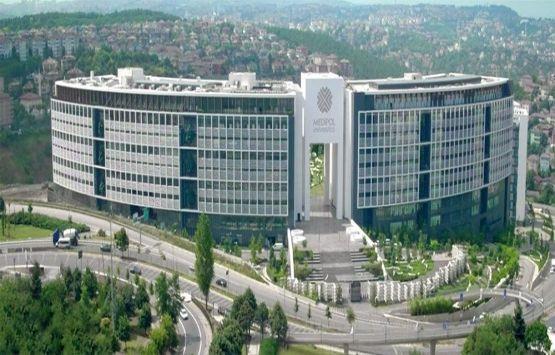
Our Campuses
South Campus
North Campus
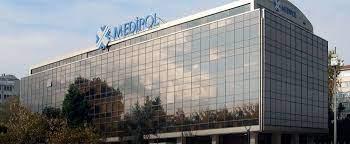
Haliç Campus
Libraries & Event Spaces
Our libraries feature a rich collection totaling 88,571 printed books, 785,918 e-books, 126 printed journals, and 65,562 e-journals. Our collection also includes 40 databases, 434 theses, and 643 DVDs.
Event Spaces – Conference Hall
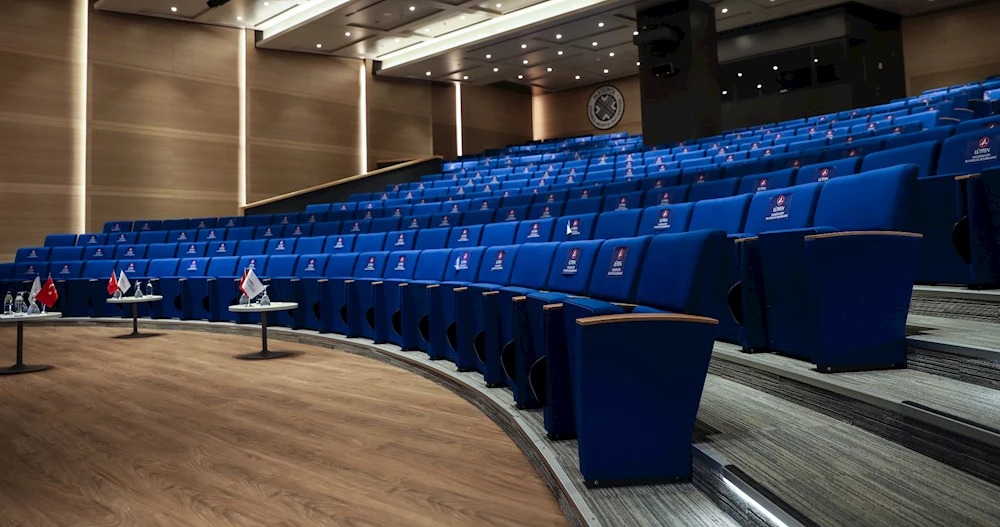
The Conference Hall, which became operational in 2017 with a seating capacity of 310, features a 45 m² stage and a 500 m² foyer area that can be used in sections. It hosts a wide range of scientific, social, and cultural events.
Located on both sides of the stage, two digital lecterns, three smart screens, a projection system with over 10,000 ANSI lumens, a professional sound system, and a single-channel simultaneous interpretation system enable the hall to accommodate national and international events.
Related Links & Reports:
Medikosocial Services
Primary healthcare services are provided to students and all university staff through the infirmaries located on the Europe Haliç, Anatolia North, and Anatolia South Campuses. A doctor is on duty at each of the Europe north and south campuses, and a nurse is on duty at every campus.
- In necessary cases, our students are referred to the fully-equipped hospitals within the Medipol Health Group for further examinations and treatments.
- Students receive discounts at university hospitals, allowing them to benefit from services under more advantageous conditions.
- Students must present their student IDs when visiting our hospitals.
Our Health Practice and Research Hospitals
- Pendik Medipol University Hospital
- Çamlıca Medipol University Hospital
- Unkapanı Medipol University Hospital
- Fındıkzade Medipol University Hospital
- Vatan Medipol University Hospital
- Esenler Medipol University Hospital
- Sefaköy Medipol University Hospital
At hospitals affiliated with the Health Practice and Research Centers, our university's students receive a 100% discount on examinations (as part of outpatient treatment), a 70% discount on tests, a 50% discount on dental and cosmetic procedures, and a 70% discount on inpatient treatment (excluding medication and consumables).
Related Links & Reports:
Psychological Counseling and Guidance Center
Psychological Counseling and Guidance sessions, staffed by an expert clinical psychologist on each campus, can be conducted in both Turkish and English, ensuring that international students can also benefit from the service.
Counseling services are free of charge. Each session lasts 45 minutes.
It is ensured that every student who applies receives at least one counseling session. Sessions are repeated if deemed necessary.
In necessary cases and as part of risk assessment (for example, if there is a possibility of the student harming themselves or others), students are referred to hospitals for psychiatric support.
It has been decided to provide unlimited psychological counseling support to students affected by the earthquake. PDR support has been given to 4 of our students: 1 student whose sessions are still ongoing, 1 student referred to a psychiatrist, and 2 students whose sessions have been completed.
Related Links & Reports:
Educational Outreach Activities
Istanbul Medipol University actively promotes educational outreach as part of its institutional mission and commitment to SDG 4. The University extends its educational impact far beyond its enrolled students, offering structured learning opportunities to children, youth, adults, professionals, and various community groups.
Faculties regularly organize public seminars, thematic workshops, laboratory-based demonstrations, science communication events, media literacy sessions, digital literacy talks, and school outreach activities. These programs address a wide spectrum of fields and aim to strengthen community knowledge, awareness, and critical thinking.
Academic departments engage directly with local schools and municipalities by delivering career guidance programs, scientific awareness workshops, early STEM education sessions, health literacy seminars, child development trainings, and public lectures. Faculty members frequently participate in community events, transfer academic knowledge to society, and support evidence-based public education.
Student Clubs and SKS-Led Community Learning
The Directorate of Health, Culture and Sports (SKS) coordinates a vibrant network of student clubs that implement community learning activities such as:
- educational support in schools and youth centers,
- mentoring and peer-led training,
- coding, robotics, innovation and entrepreneurship workshops,
- arts, culture, and communication workshops,
- nutrition and healthy living sessions,
- environmental awareness events aligned with SDGs.
These activities strengthen civic responsibility, expand public access to knowledge, and reinforce student engagement with society.
Hospital-Based Educational Programs
Medipol Group hospitals contribute significantly to outreach by delivering patient education sessions, healthy lifestyle trainings, maternal and child health seminars, chronic disease awareness programs, and public briefings on preventive care. These programs target families, elderly individuals, caregivers, and disadvantaged groups.
SURKAM and SDG-Focused Education
SURKAM enhances the University’s societal learning mission through:
- sustainability-themed seminars,
- training workshops for students, educators, and the public,
- SDG awareness programs,
- open-access educational initiatives coordinated with partner institutions.
The Center also publishes dedicated SDG reports, which serve as public-facing educational resources and reinforce the holistic nature of Medipol’s outreach activities.
Related Links & Reports:
Lifelong Learning at Istanbul Medipol University
Istanbul Medipol University delivers a wide and impactful range of lifelong learning opportunities through structured collaborations with public institutions, municipalities, NGOs, professional associations, and private-sector partners. This approach aligns with the University’s commitment to SDG 4: Quality Education and its strategic mission to support learning beyond campus.
All lifelong learning activities are centrally coordinated by the Lifelong Learning Programmes (SEM). SEM collaborates with external stakeholders to design, implement, and evaluate training programmes that meet the needs of diverse learner groups. Through these collaborations, SEM offers:
- certified vocational and professional development courses,
- digital-skills and technology trainings,
- health education modules and sector-based workshops,
- sustainability and social responsibility trainings,
- publicly accessible seminars and certificate programmes.
Collaborative Programme Delivery
SEM works closely with municipalities, governmental institutions, NGOs, and industry partners to co-create training content, invite expert speakers, provide professional certification, and ensure that programmes address real societal and sectoral needs. The University frequently hosts these partner-led programmes on campus, facilitating access to academic spaces, laboratories, conference halls, and digital infrastructure.
Industry, Health, and Sectoral Partnerships
Medipol’s collaboration with professional organizations, hospitals, and sectoral associations expands its lifelong learning ecosystem. Joint activities include:
- professional upskilling programmes for healthcare workers,
- public health seminars offered with Medipol Health Group hospitals,
- entrepreneurship and innovation trainings with industry bodies,
- community learning initiatives with NGOs and social enterprises.
Contribution of Academic Units and SURKAM
Academic faculties also support collaborative lifelong learning by designing thematic workshops, science outreach activities, and seminars delivered jointly with schools, municipal centers, and civil society organizations.
SURKAM enhances this ecosystem by offering SDG-focused trainings, sustainability seminars, climate action sessions, and interdisciplinary education programs with external partners.
Related Links & Reports:
Community Contribution and Educational Outreach
Istanbul Medipol University embeds social contribution into the core of its educational mission, ensuring that learning extends beyond academic knowledge and translates into meaningful societal impact. In alignment with SDG 4: Quality Education, the University supports a wide network of structured community engagement activities.
Community Service Practices and Volunteerism Courses
The University-wide elective Community Service Practices and Volunteerism courses serve as primary mechanisms for structured social contribution projects. Through these courses, students:
- design and implement projects addressing community needs,
- support schools through educational and developmental activities,
- conduct cultural, environmental, and sustainability-focused projects,
- deliver health literacy and well-being awareness programmes,
- provide social assistance and outreach to vulnerable and disadvantaged groups.
These courses enable students to gain hands-on experience while actively contributing to society.
Student Clubs as Engines of Social Contribution
Student clubs significantly expand community impact through diverse social contribution initiatives, including:
- reading and creativity workshops for children,
- science, STEM, and digital literacy sessions in schools,
- cultural and arts outreach activities,
- environmental clean-up and sustainability projects,
- social support campaigns in collaboration with NGOs and local institutions,
- health awareness programmes led by discipline-specific clubs.
These activities strengthen social responsibility and foster civic engagement.
Faculty-Led Community Engagement
Faculties integrate social contribution elements into course designs, fieldwork, and applied projects. Academic units frequently collaborate with local stakeholders to deliver discipline-specific community programmes in education, health, technology, communication, and social sciences.
Related Links & Reports:
Policy for Students with Disability
Istanbul Medipol University maintains a strong and structured framework to support students who require special protection, care, rehabilitation, and counselling due to disabilities. This commitment aligns with national accessibility regulations and the University’s strategic focus on SDG 4: Quality Education and inclusive learning environments.
Disability Support Policy and Institutional Framework
The University enforces a comprehensive Disability Support Policy, outlining principles of equal opportunity, non-discrimination, and full participation in academic life. The Office of Students with Disabilities coordinates all disability-related services and acts as the primary point for academic accommodations, accessibility evaluations, and student guidance.
Accessibility Services and Academic Accommodations
The Office provides:
- personalized academic accommodation plans,
- access to assistive technologies,
- note-taking and alternative-format support,
- guidance for faculty on inclusive teaching,
- coordination of exam arrangements and learning adjustments.
These services ensure that each student receives individualized support tailored to their needs.
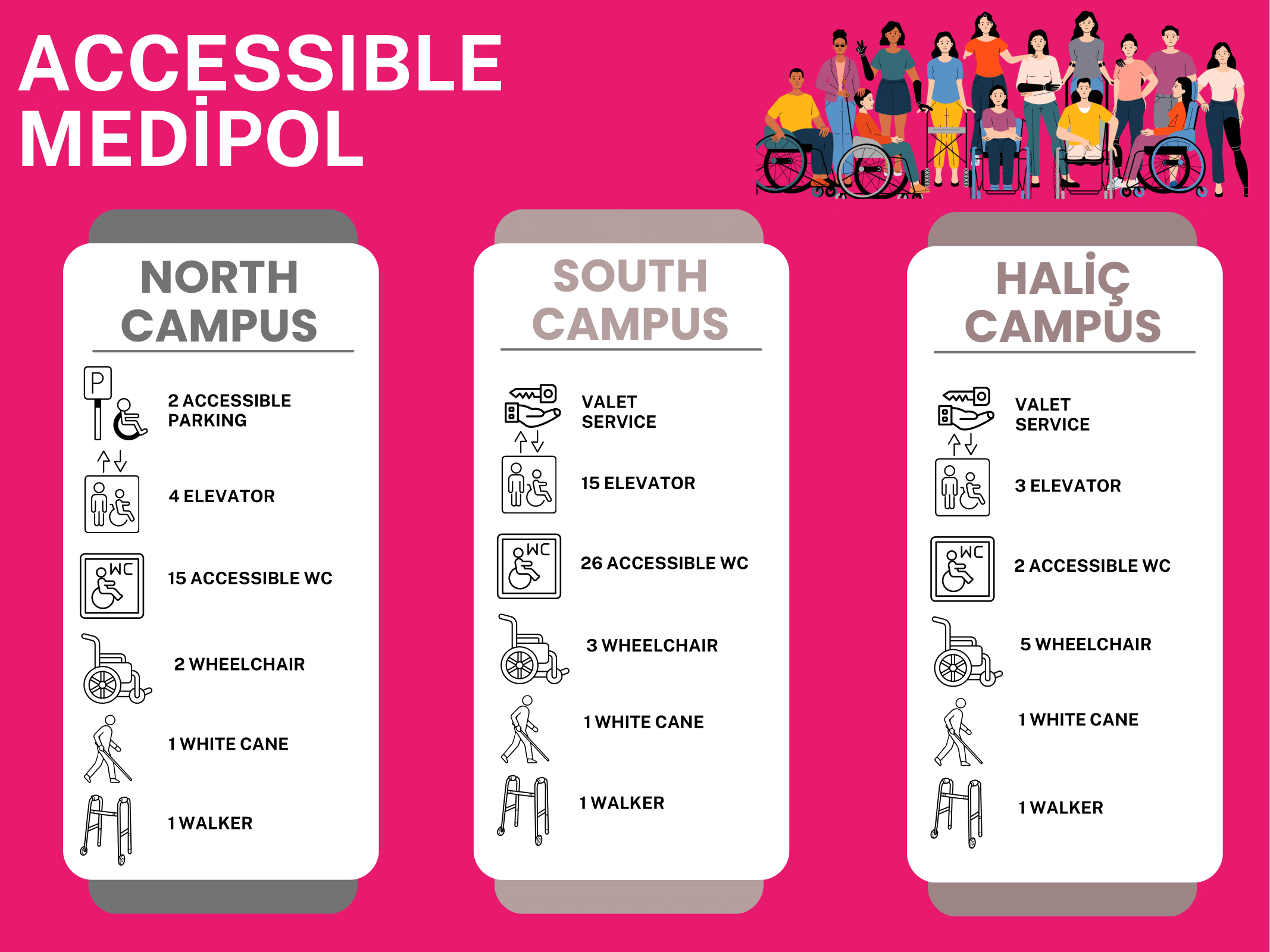
Accessible Campus Infrastructure
Medipol’s campuses are continuously improved to enhance accessibility. Measures include:
- accessible building entrances and ramps,
- elevator systems with tactile signage,
- accessible classrooms and study spaces,
- designated support equipment (mobility aids, portable ramps, ergonomic tools),
- accessible restrooms and pathways.
These structural improvements reflect the University’s commitment to creating a barrier-free environment.
Role of the Anti-Discrimination and Equality Ombudsman
The Ombudsman for Anti-Discrimination and Equality plays a key role in safeguarding the rights of students with disabilities. The Office monitors compliance with equality regulations, investigates accessibility-related concerns, and ensures fair and transparent resolution processes.
Psychological, Social, and Peer Support
Students requiring additional protection have access to:
- psychological counselling,
- rehabilitation referrals,
- peer mentoring and accompaniment services,
- guidance from academic advisors and unit coordinators.
These mechanisms reinforce emotional well-being, academic performance, and social inclusion.
Related Links & Reports:
- Office of Students with Disability
- Directive on the Working Procedures and Principles of the Office for Students with Disabilities
- Law No. 5378 on Persons with Disabilities
- Regulation on the Advisory and Coordination Board for Persons with Disabilities in Higher Education Institutions
- Regulation on Examination Practices for Individuals with Disabilities and the Health Requirements for Disability Quotas
Public Access to Educational Opportunities
Istanbul Medipol University is strongly committed to SDG 4 by expanding access to lifelong learning opportunities for individuals both within and beyond the university community. Through a comprehensive ecosystem of public programs, the University ensures that learners of all ages can access high-quality educational resources, professional development modules, and skill-building activities.
Publicly Accessible Training Programs and Open Learning Modules
The University regularly offers a wide range of open and free educational programs, including seminars, workshops, certificate programs, and thematic public lectures designed and delivered by expert academic staff. These activities, organized by faculties, institutes, and research centers, cover various fields such as education, health, psychology, engineering, digital skills, sustainability, and social sciences.
SURKAM (Sustainable Development Research and Application Center) plays a leading role in coordinating SDG-related awareness programs and community learning initiatives, often in partnership with public institutions, NGOs, and local stakeholders.
Açık Akademi (Open Academy) and Lifelong Learning Programmes
Through its “Açık Akademi” and the Lifelong Learning Programmes (SEM), Medipol offers structured training programs that are open to the broader public and focus on career development, emerging professional competencies, and community empowerment. These platforms serve as gateways for individuals seeking to upskill, reskill, or expand their knowledge in specialized fields.
Access to Library and Electronic Resources
Medipol University’s central and digital library systems provide broad access to academic literature, electronic databases, e-journals, e-books, and digital archival resources. Visitors participating in lifelong learning programs and collaborative educational activities can benefit from these high-quality academic resources under defined access procedures.
The University Library’s infrastructure—equipped with modern study areas, digital learning spaces, and accessible learning technologies—supports a rich and inclusive learning environment.
Community-Oriented Educational Activities
Through extensive public events including science fairs, community training programs, academic panels, outreach projects, and social contribution initiatives, Medipol actively promotes knowledge dissemination and community participation. Student clubs, academic departments, and research centers frequently organize public events that strengthen societal engagement and support equitable access to education.
These efforts are documented annually in the SDG 4 Report, demonstrating the University’s sustained commitment to making education accessible, inclusive, and impactful for society at large.
Related Links & Reports:
- Office of Students with Disability
- Istanbul Medipol University Policy for Students With Disability
- Directive on the Working Procedures and Principles of the Office for Students with Disabilities
- Regulation on Examination Practices for Individuals with Disabilities and the Health Requirements for Disability Quotas
- Regulation on the Advisory and Coordination Board for Persons with Disabilities in Higher Education Institutions
- Law No. 5378 on Persons with Disabilities
- Department of Health, Culture and Sports (SKS)
- Medikosocial
- Psychological Counseling and Guidance Unit
- Student Clubs
- Student Club Events
- Library
- E-Library System
- Lifelong Learning Programmes
- Open Academy Program
- SURKAM
- Social Contribution Projects
- SDG Related Courses
- SDG 4 Report
- Istanbul Medipol University Anti-Discrimination and Equality Ombudsman Office Directive
- 2024 Activity Report of the Ombudsman Office
- Istanbul Medipol University