
THINGS TO DO
Find a Goal 6 charity you want to support. Any donation, big or small, can make a difference!
4 billion people lack access to basic sanitation services. Lend your voice to talk about the lack of toilets in many communities around the world!
Run a campaign on hygiene. Raise awareness about the hygiene issues in your community through social media, school/university campaign or even a campaign in the neighborhood you live in.
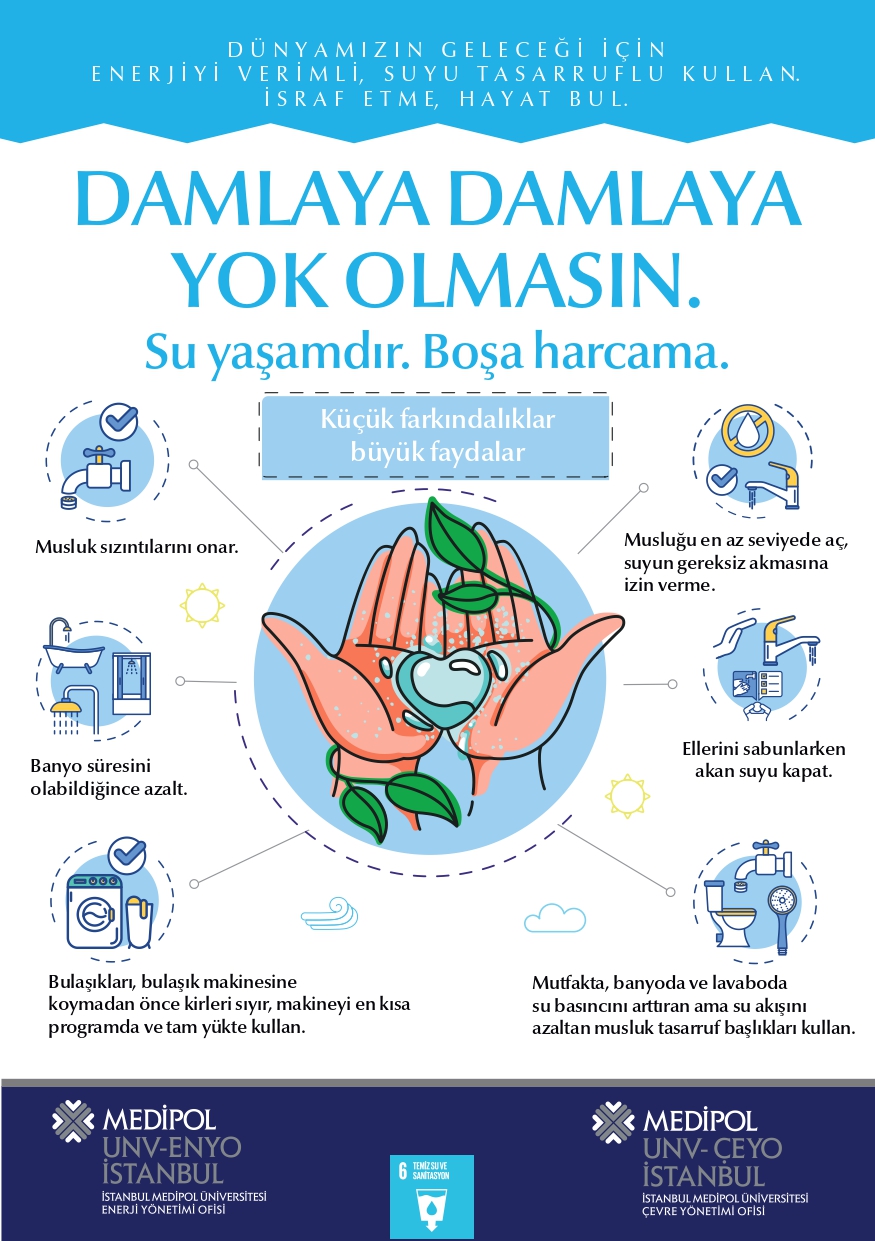
Don’t overuse water. Make sure to close a tap when washing dishes, take short showers – Bathtubs require gallons more water than a 5-10 minute shower. Consider getting a water meter to be aware of your water usage.
Organize a clean up project for rivers and oceans. Engage your whole community to clean up a local river, seaside or an ocean.
Stay informed. Follow your local news and stay in touch with the Global Goals online or on social media at @TheGlobalGoals.
"Water Efficiency Campaign" Project
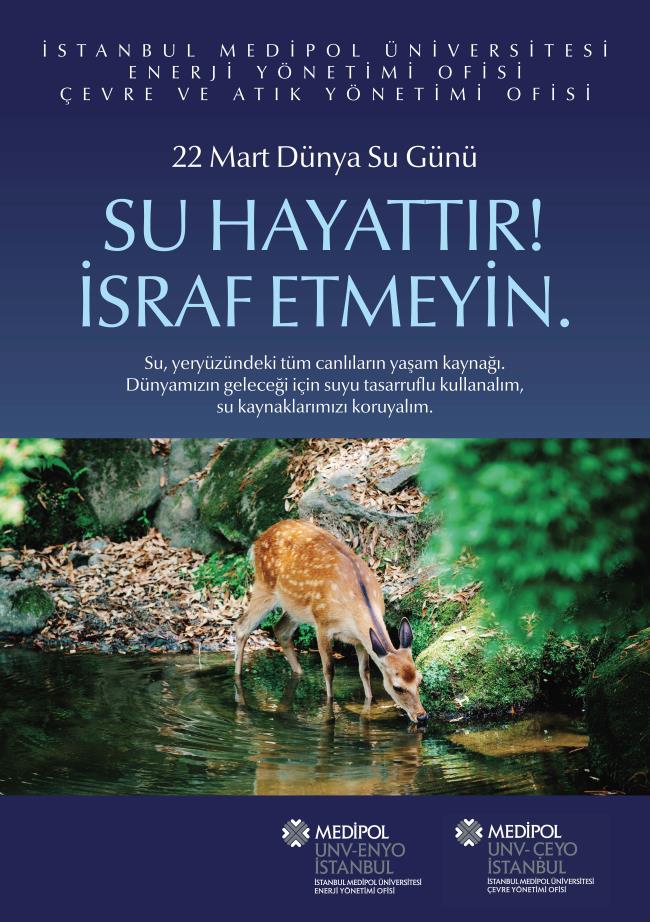



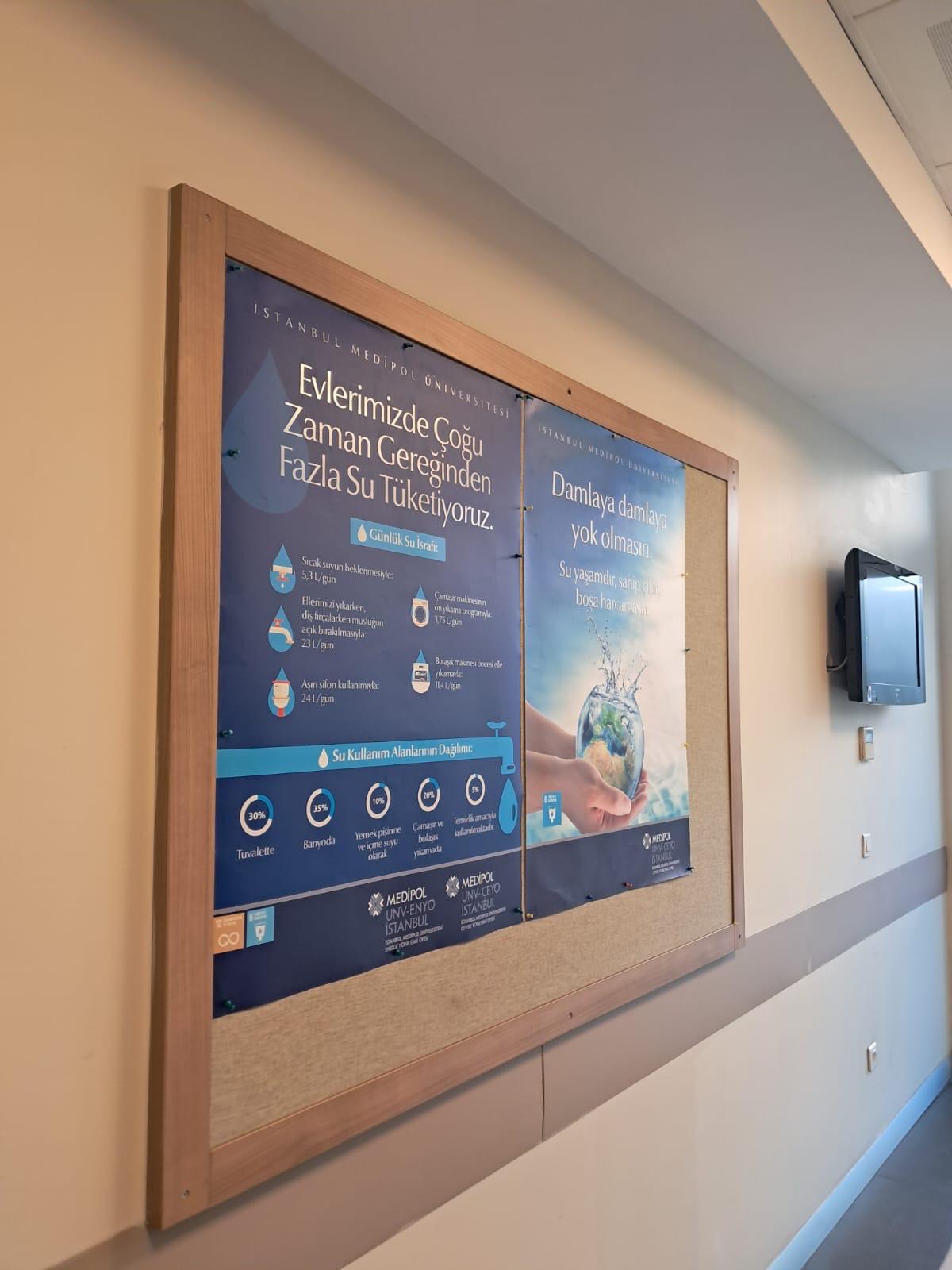
Global climate change is negatively affecting our water resources and ecosystems. Our country is among the countries that will be most affected by climate change, with decreasing rainfall and increasing water demand.
The Rectorate has established the Water Efficiency Unit and prepared the Water Efficiency Campaign guide to increase water efficiency and protect our water resources. Following a decision by the Rectorate, a Water Efficiency Unit was established, and we informed all our staff and students about the Water Efficiency Campaign guide, which was prepared to increase water efficiency and protect our water resources.
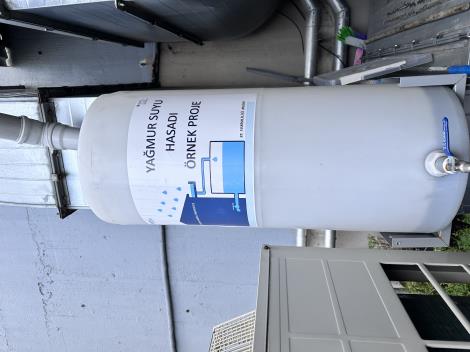
A model rainwater harvesting system has been installed at specific points on our university campus. In the last two months of 2023, 3,200 liters of rainwater were collected from an area of just 18 square meters.
Related Links & Reports:
Medical Waste
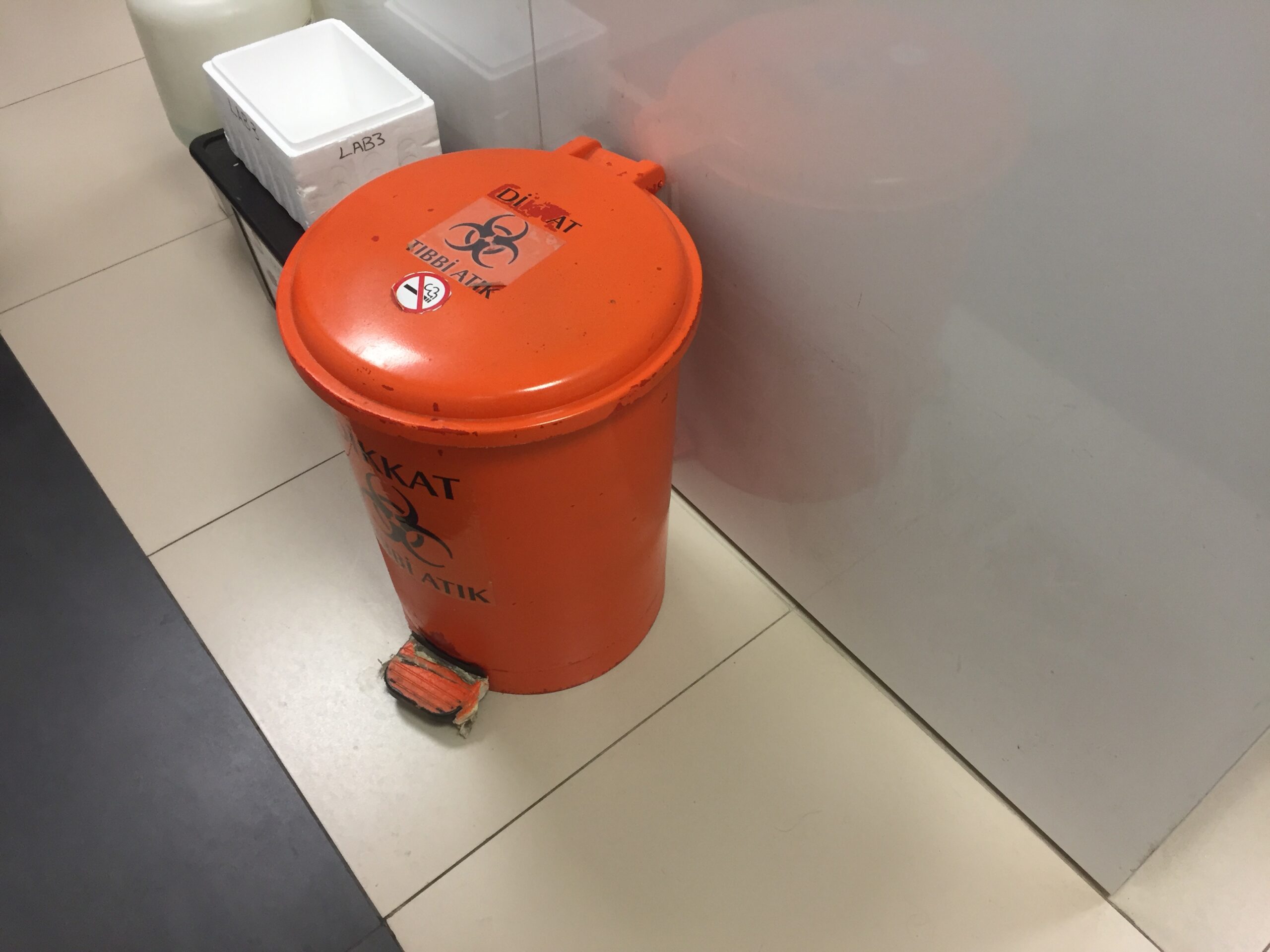
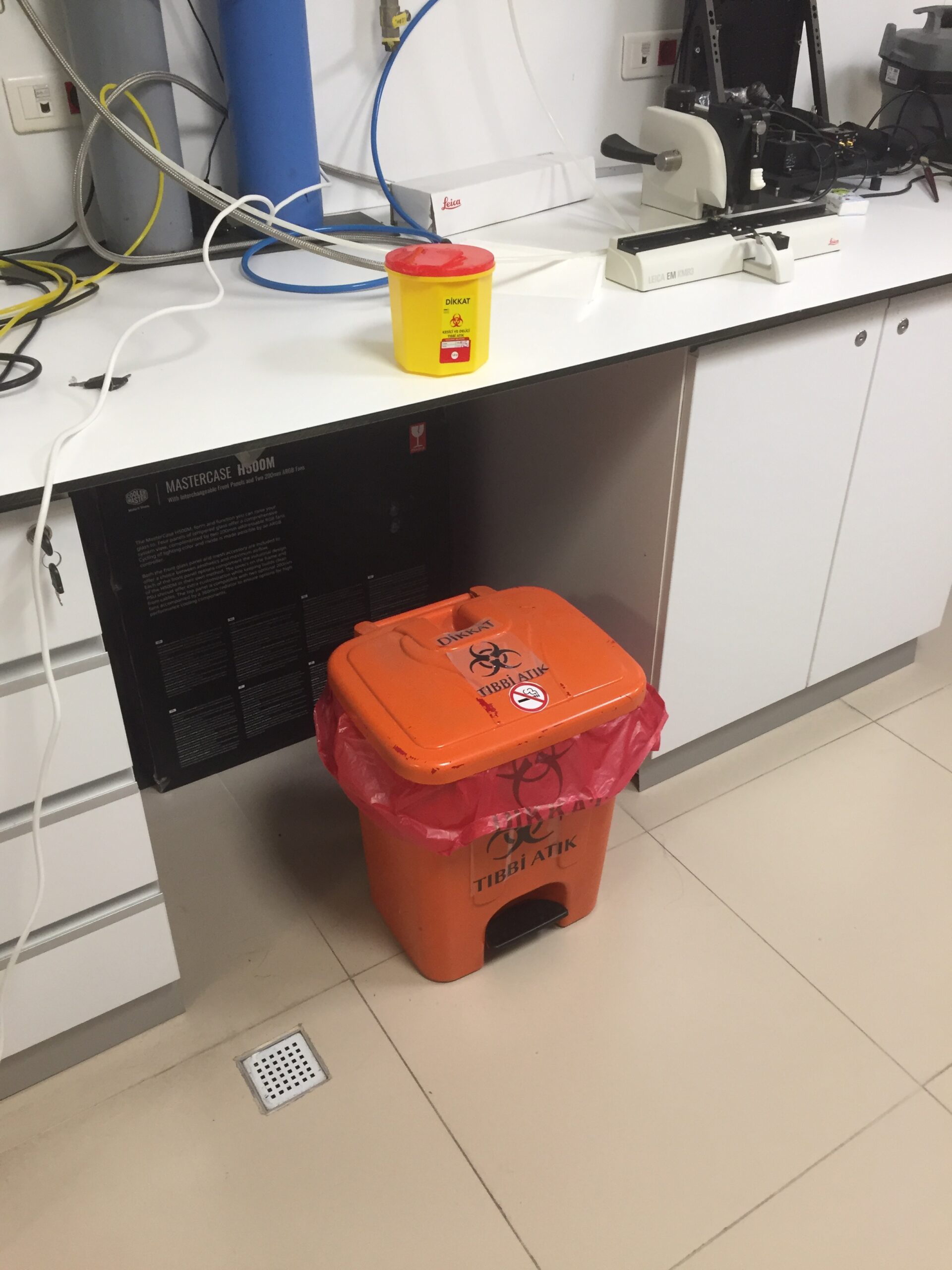
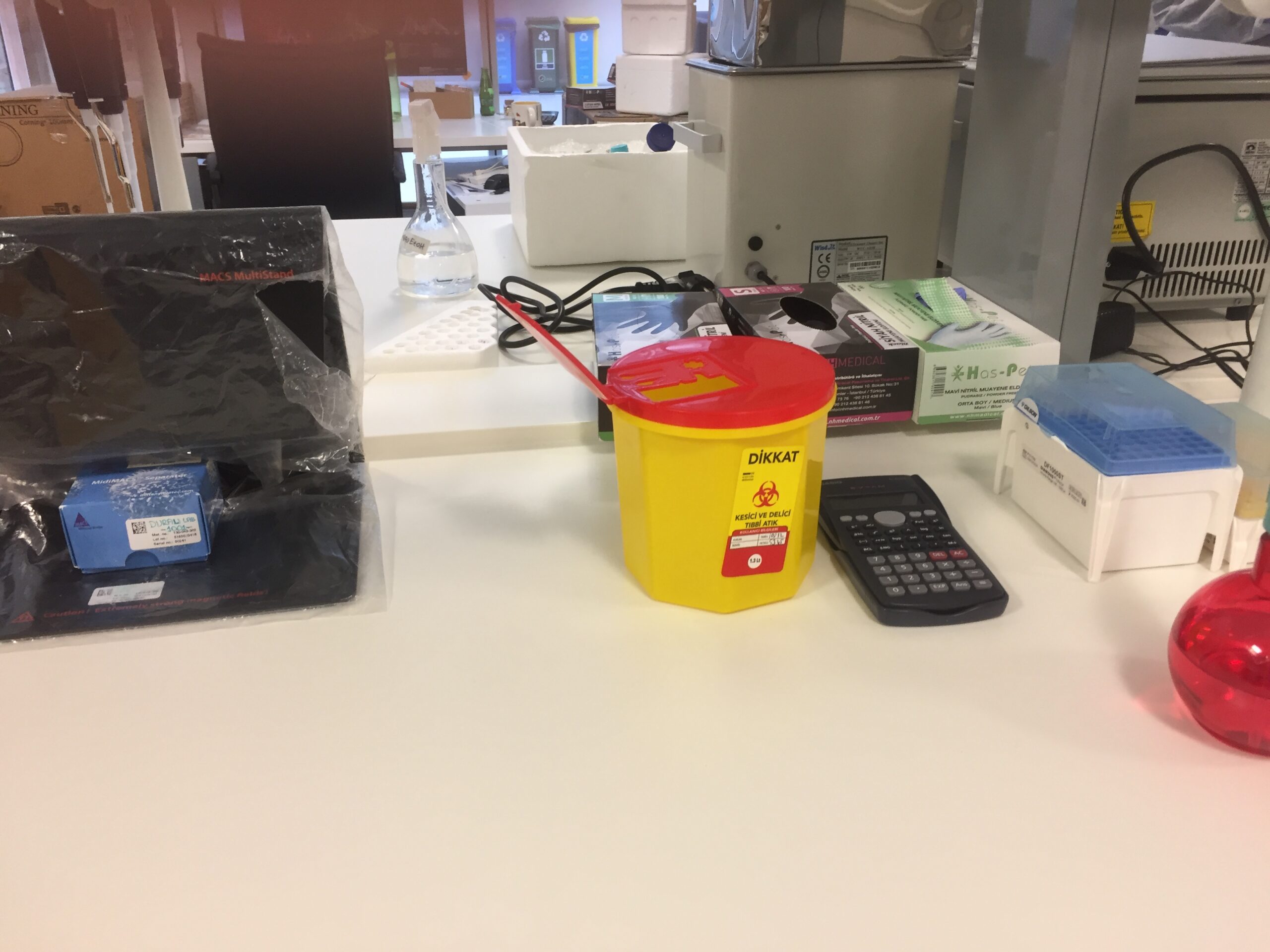
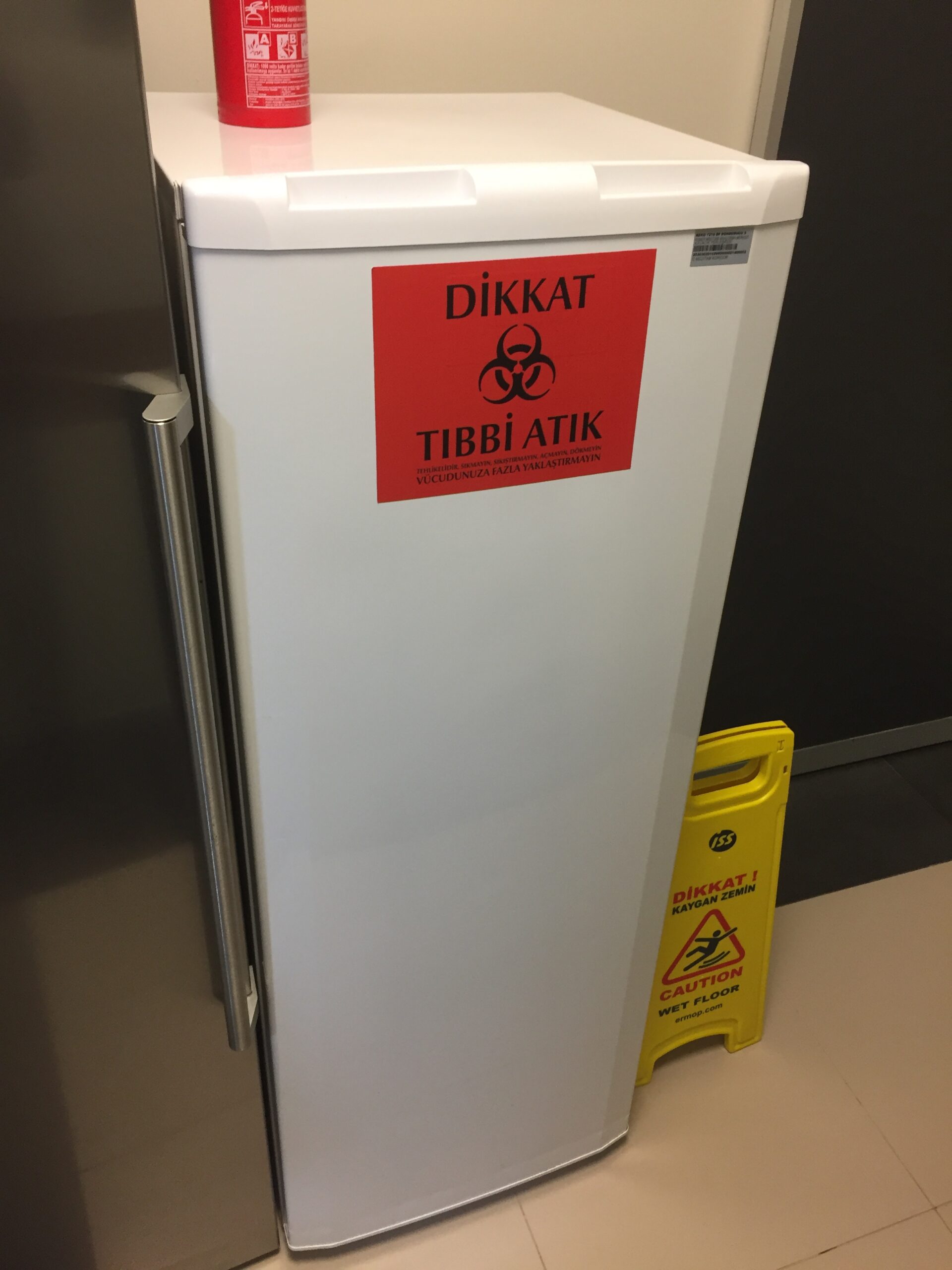
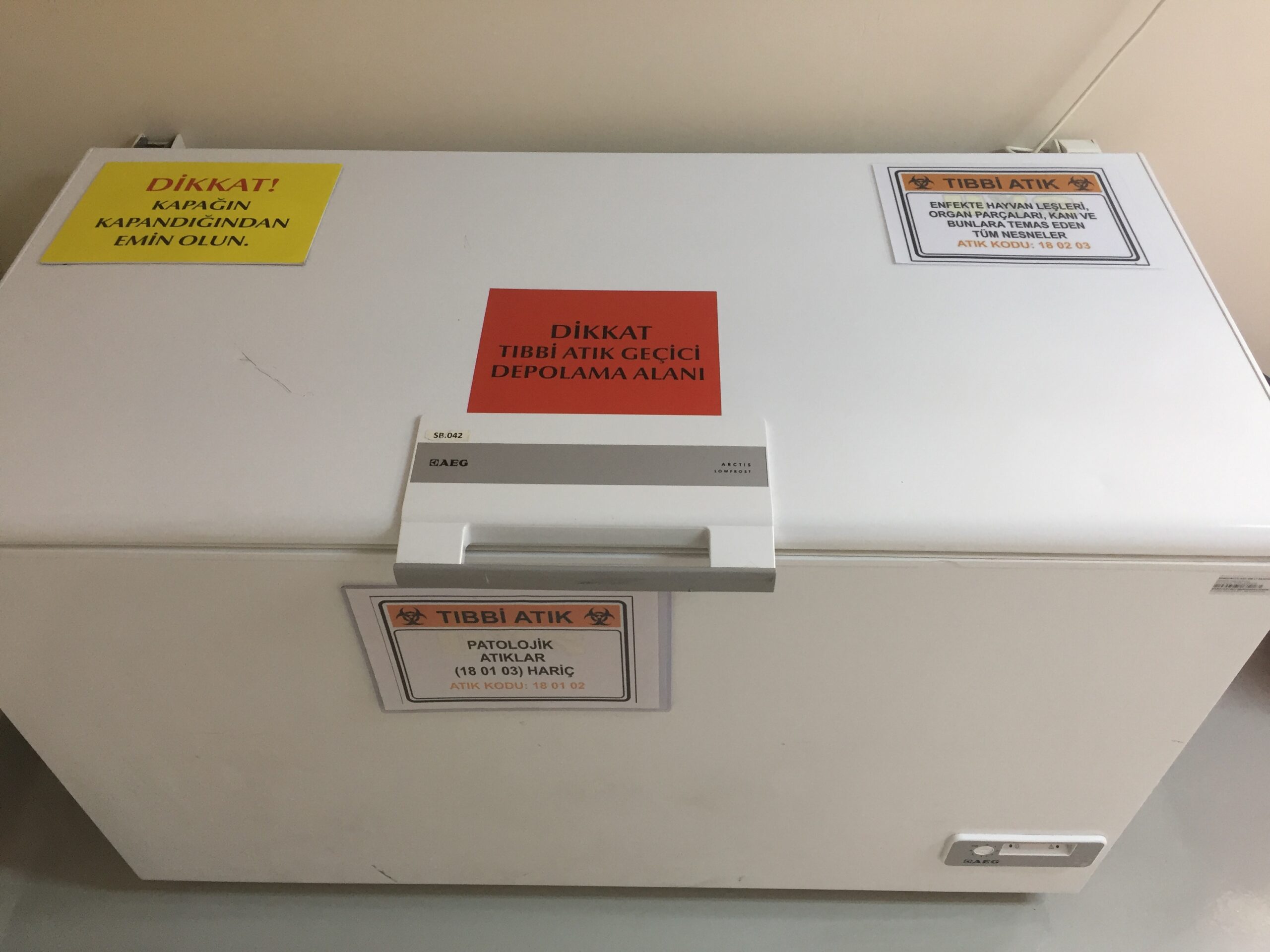
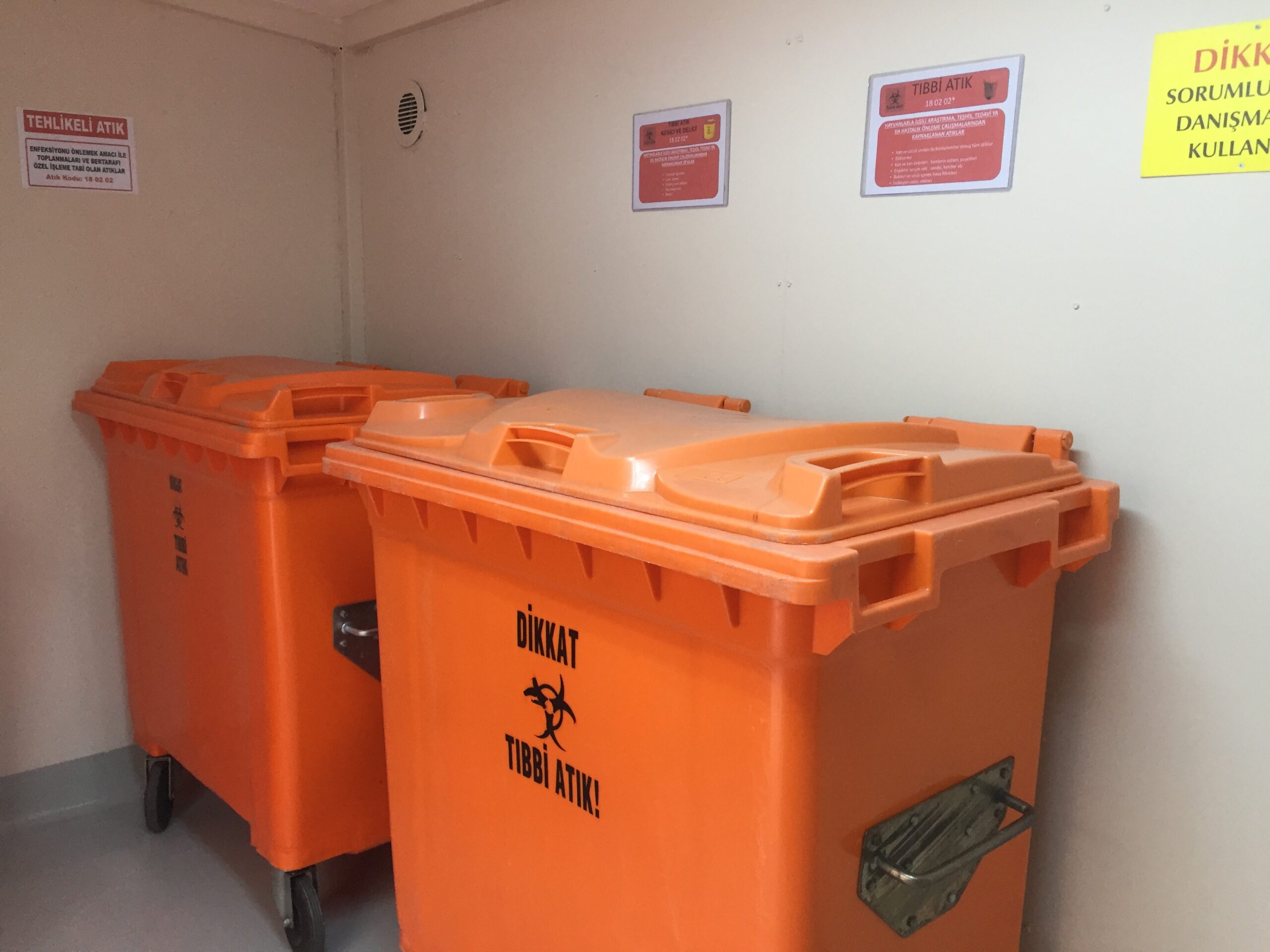
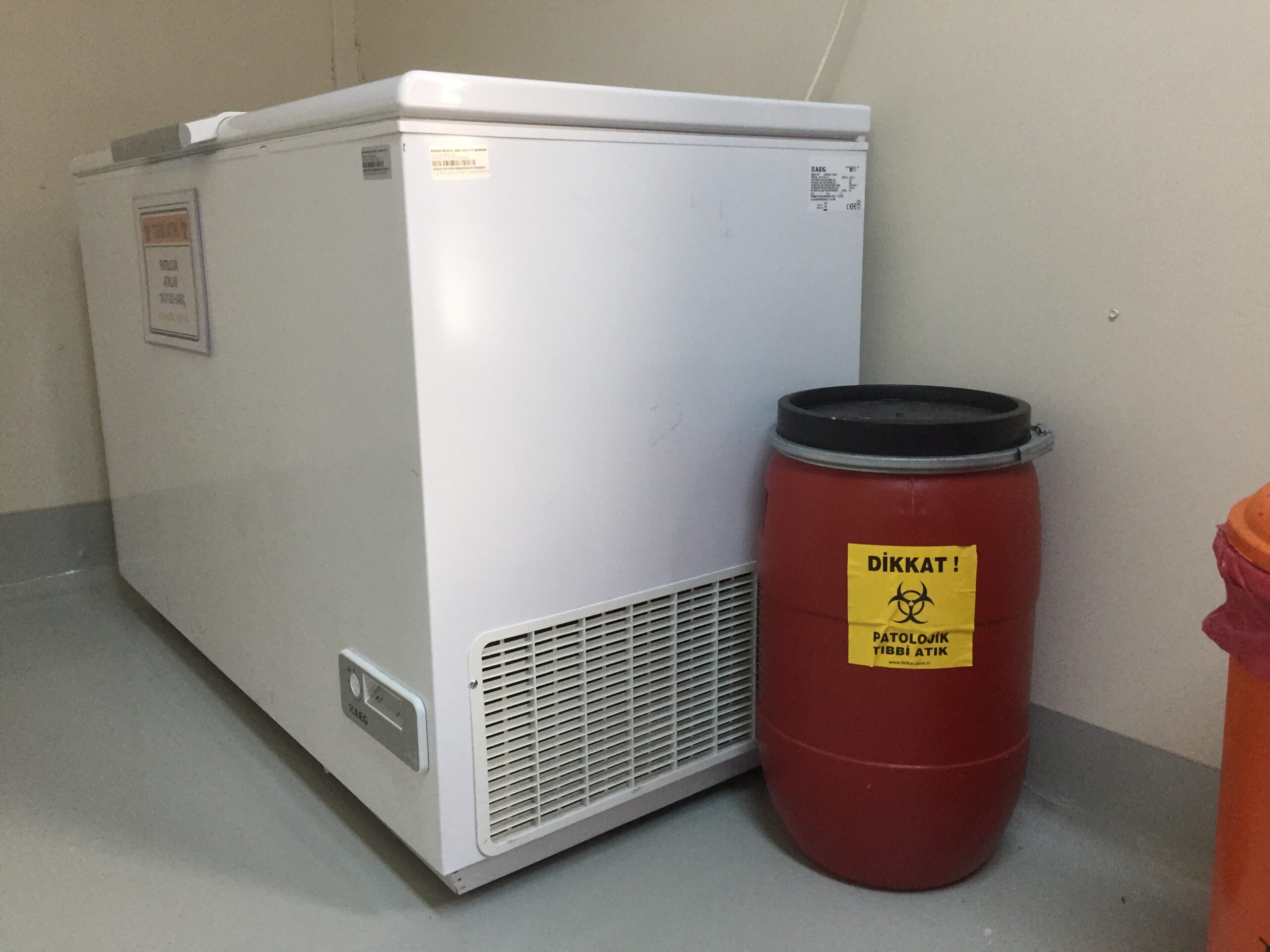
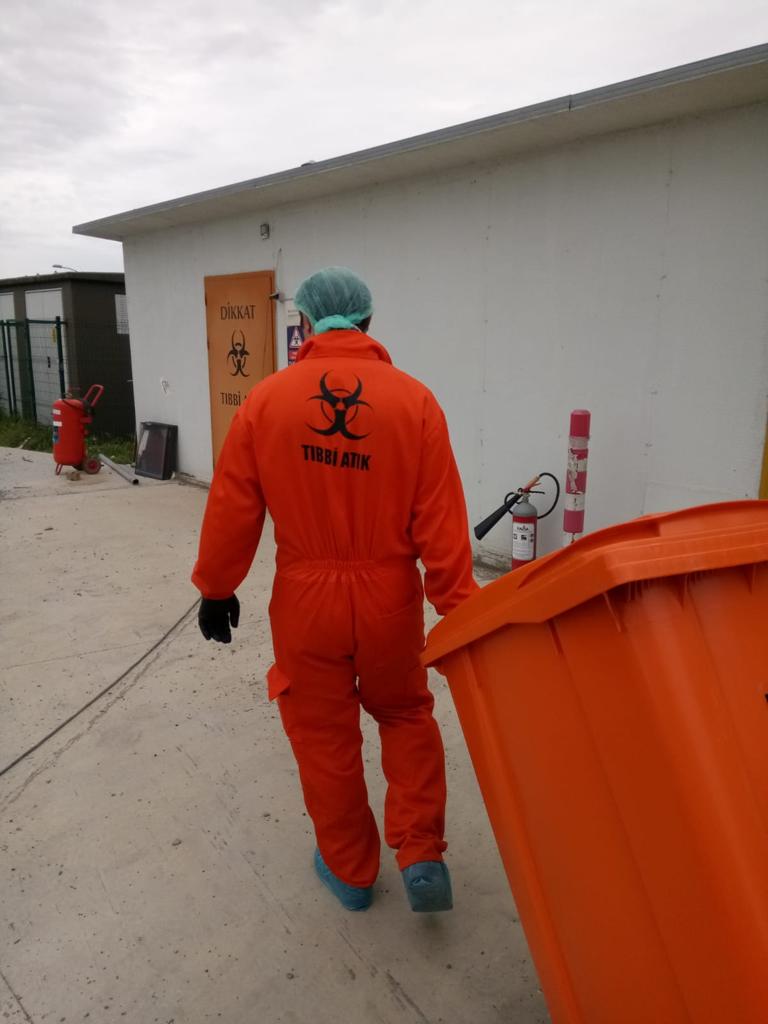
The proper management of medical waste, which inevitably arises in healthcare services and scientific research, is critically important for environmental and public health. Our university, conscious of this responsibility, meticulously implements medical waste management processes in accordance with legal regulations and international standards.
Medical waste management is carried out in all our units with a focus on protecting the environment and human health, and the process is carefully managed.
Medical waste is separated from other waste as soon as it is generated and collected in specially designed red medical waste bags and bins.
Medical waste is transported within our campus by authorized personnel in leak-proof and durable transport containers.
Medical waste is stored in our licensed temporary storage areas under conditions that comply with environmental and health standards.
Our university aims to minimize environmental impacts and contribute to public health through its commitment to medical waste management. With the support of all our stakeholders in these processes, we are working towards a cleaner and healthier environment.
Related Links & Reports:
Hazardous Waste
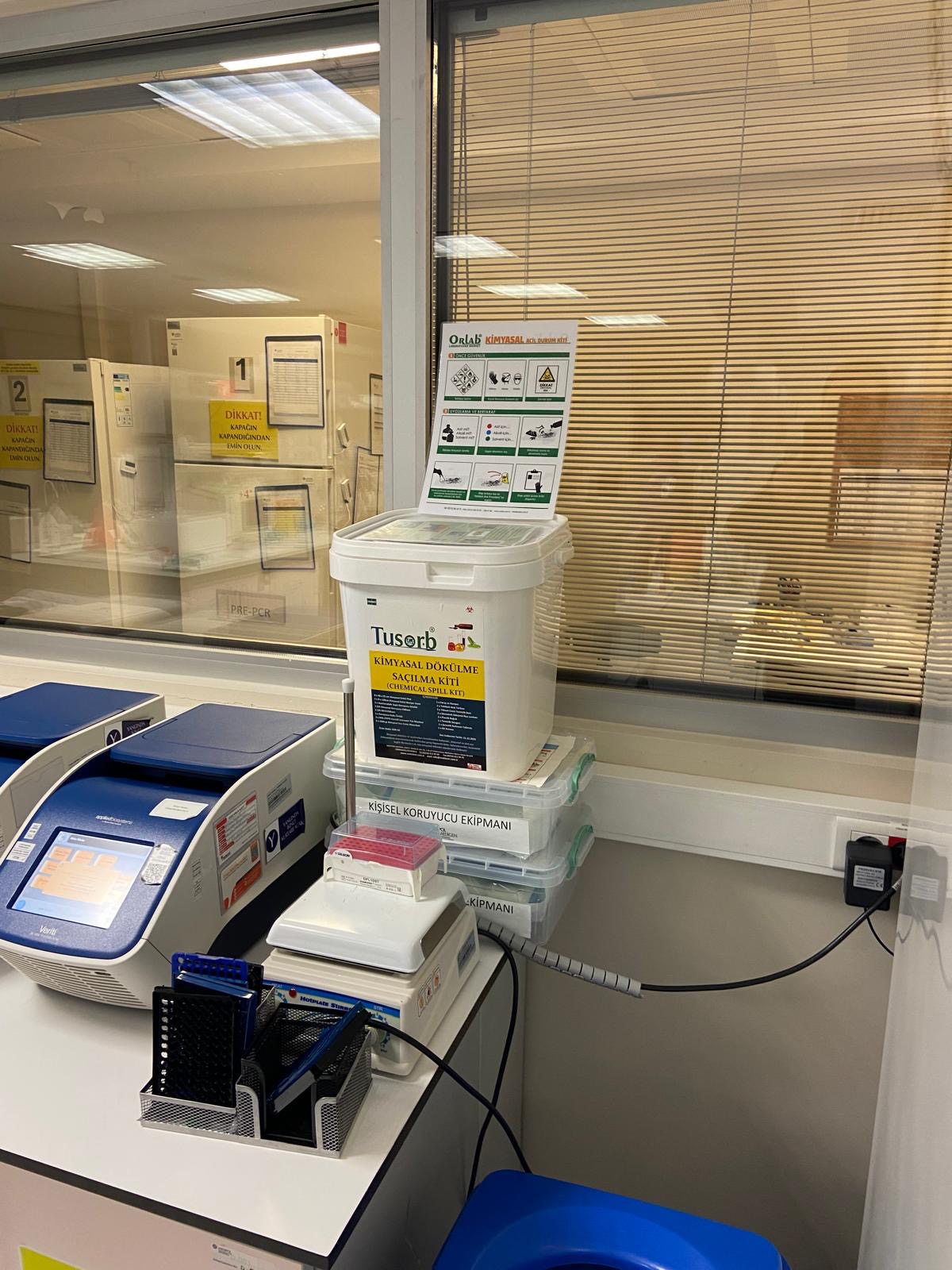
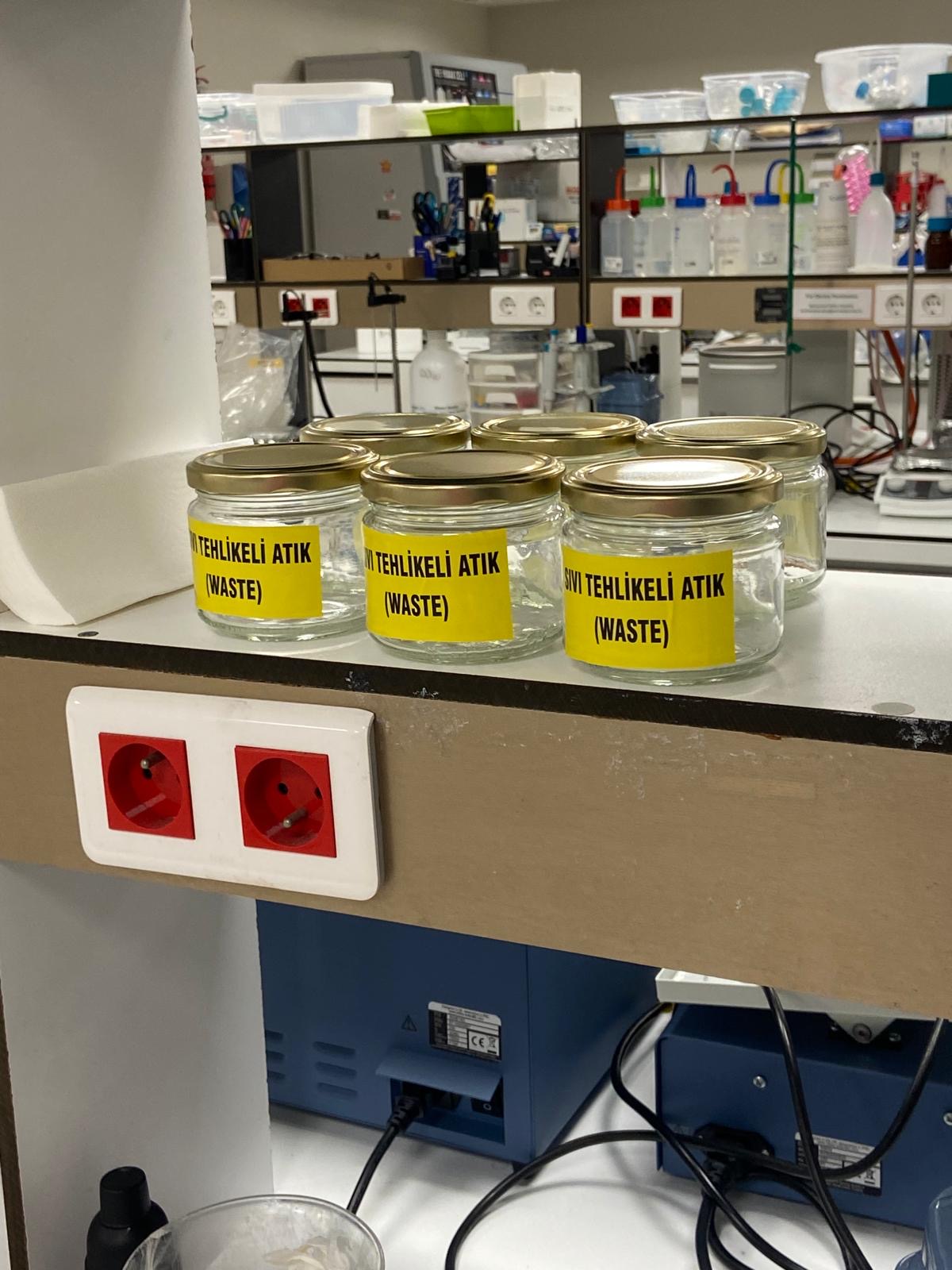
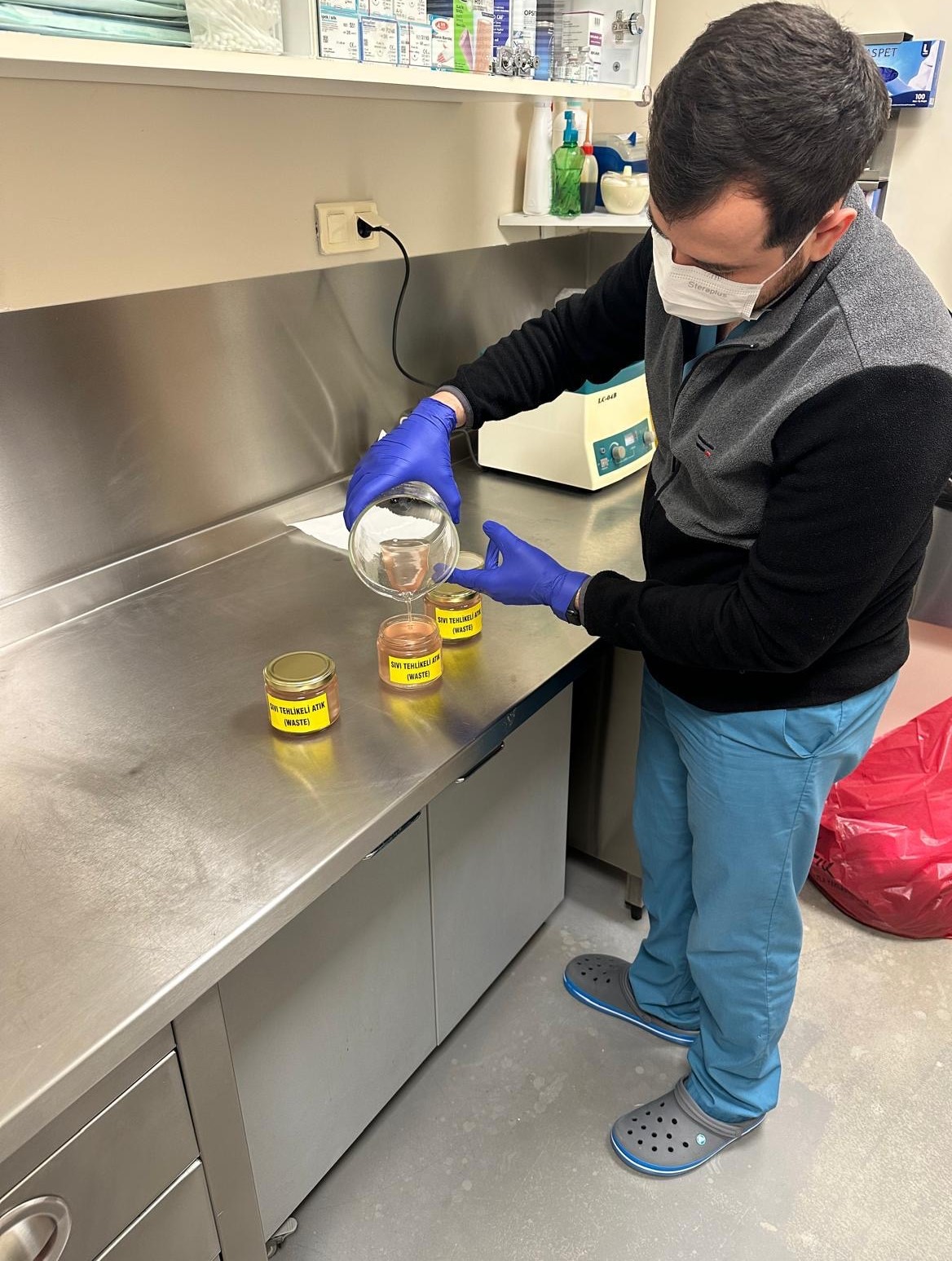
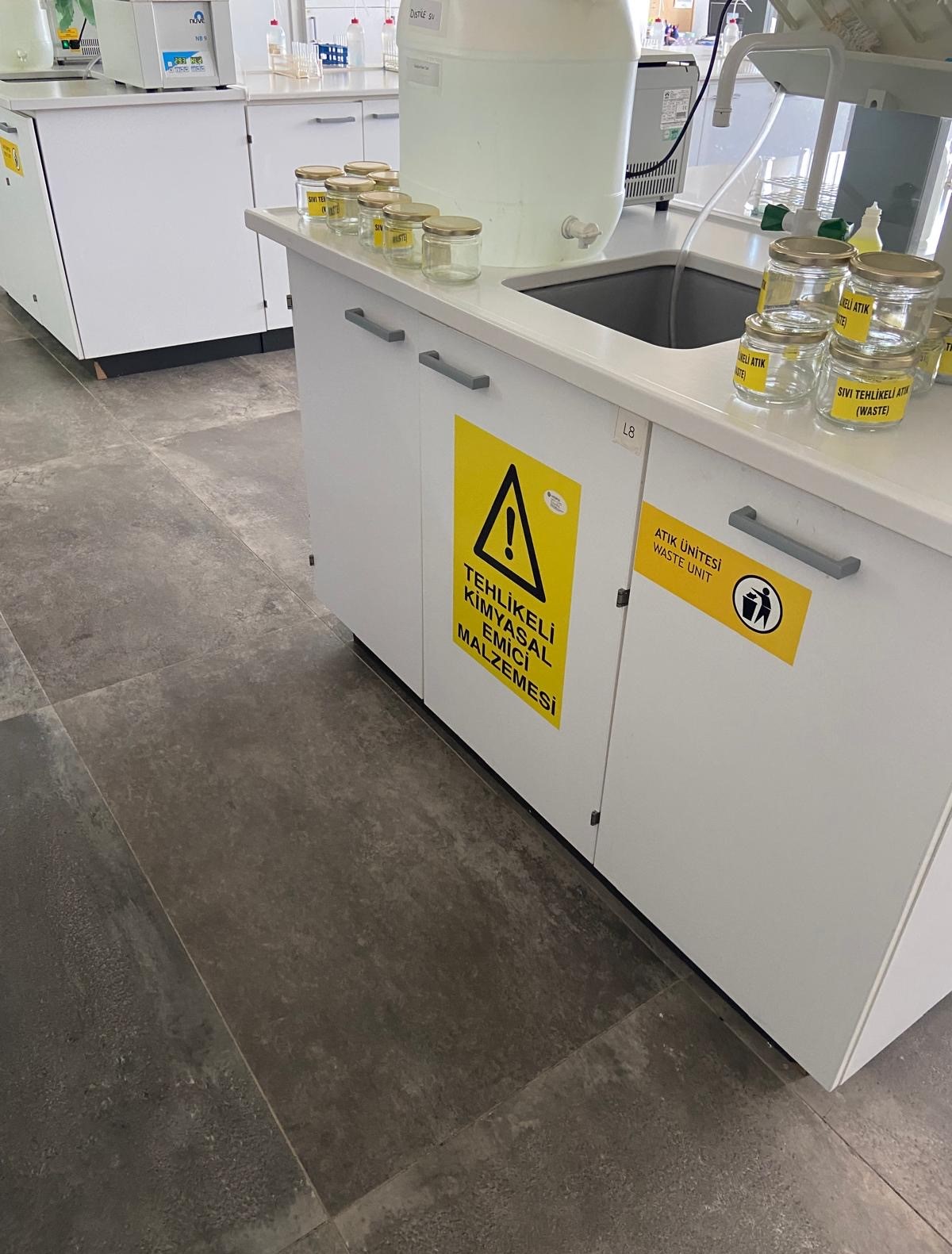
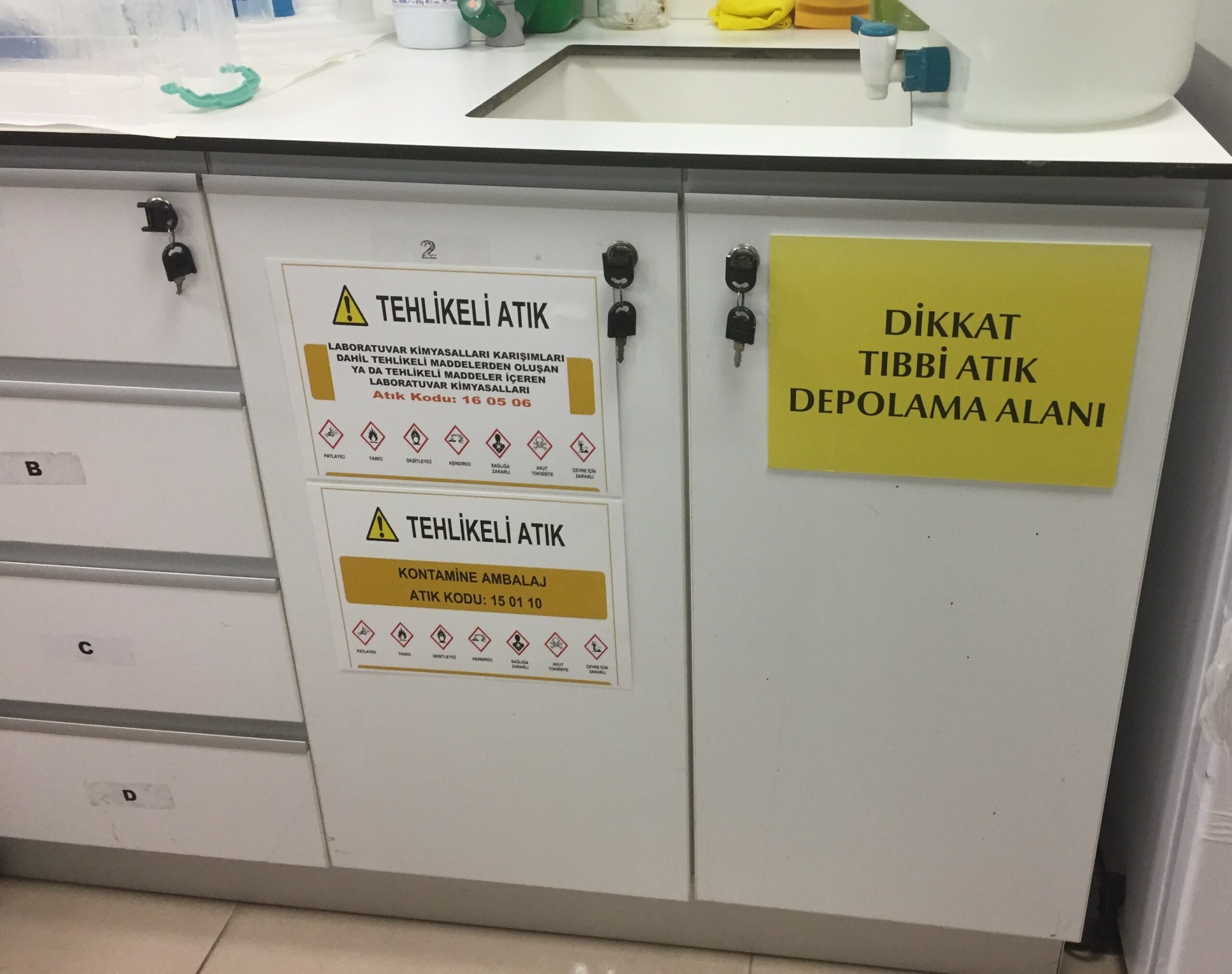
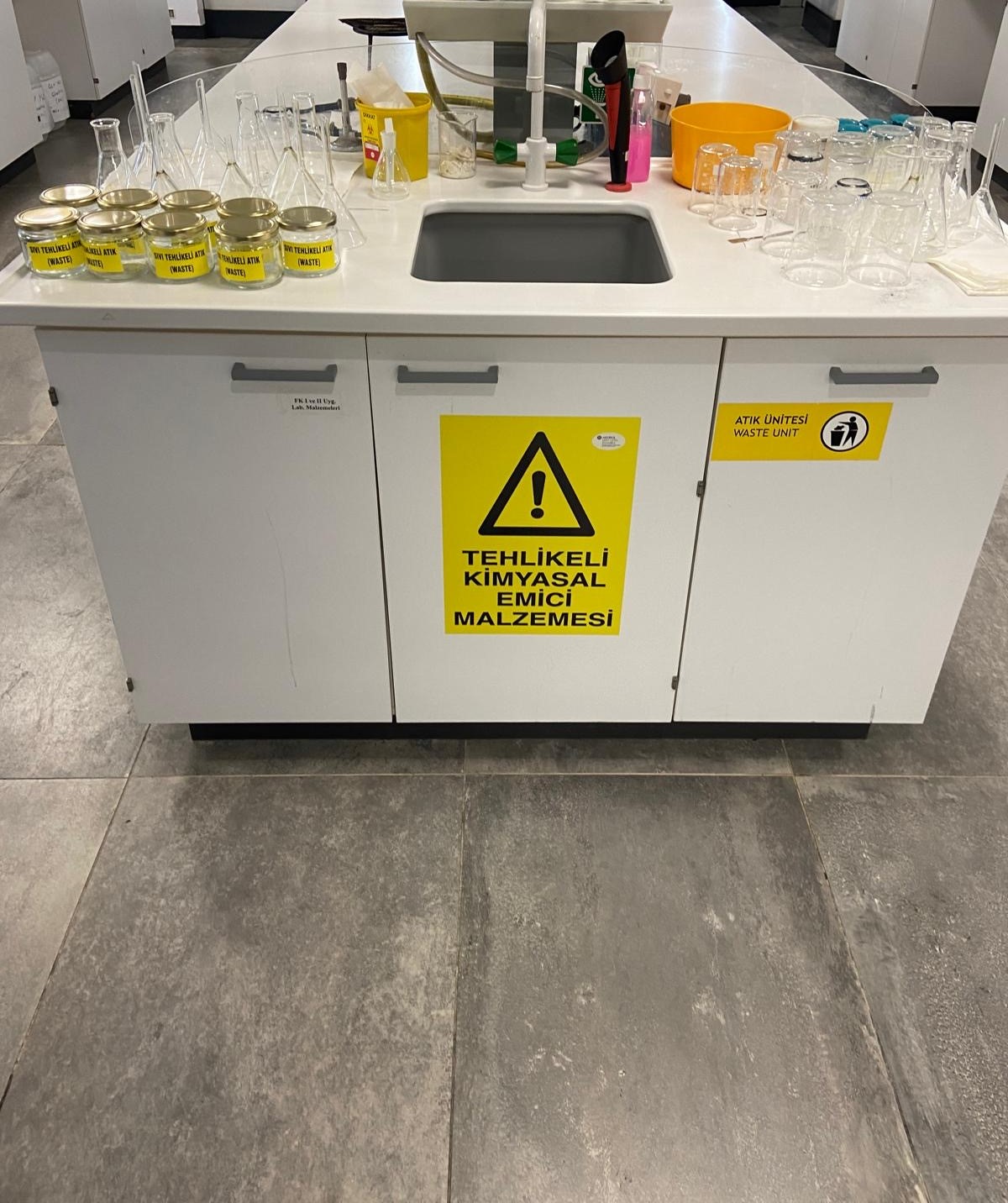
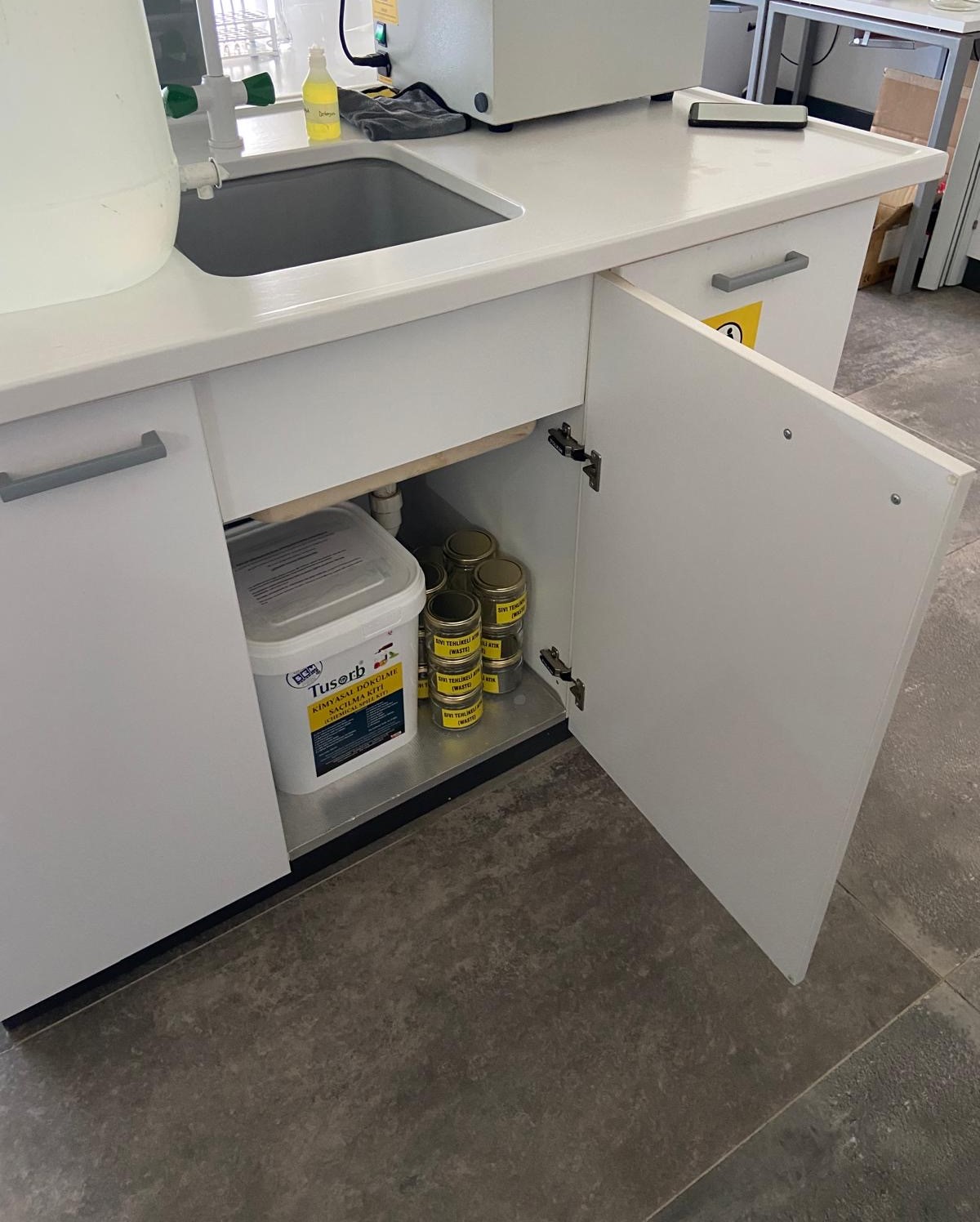
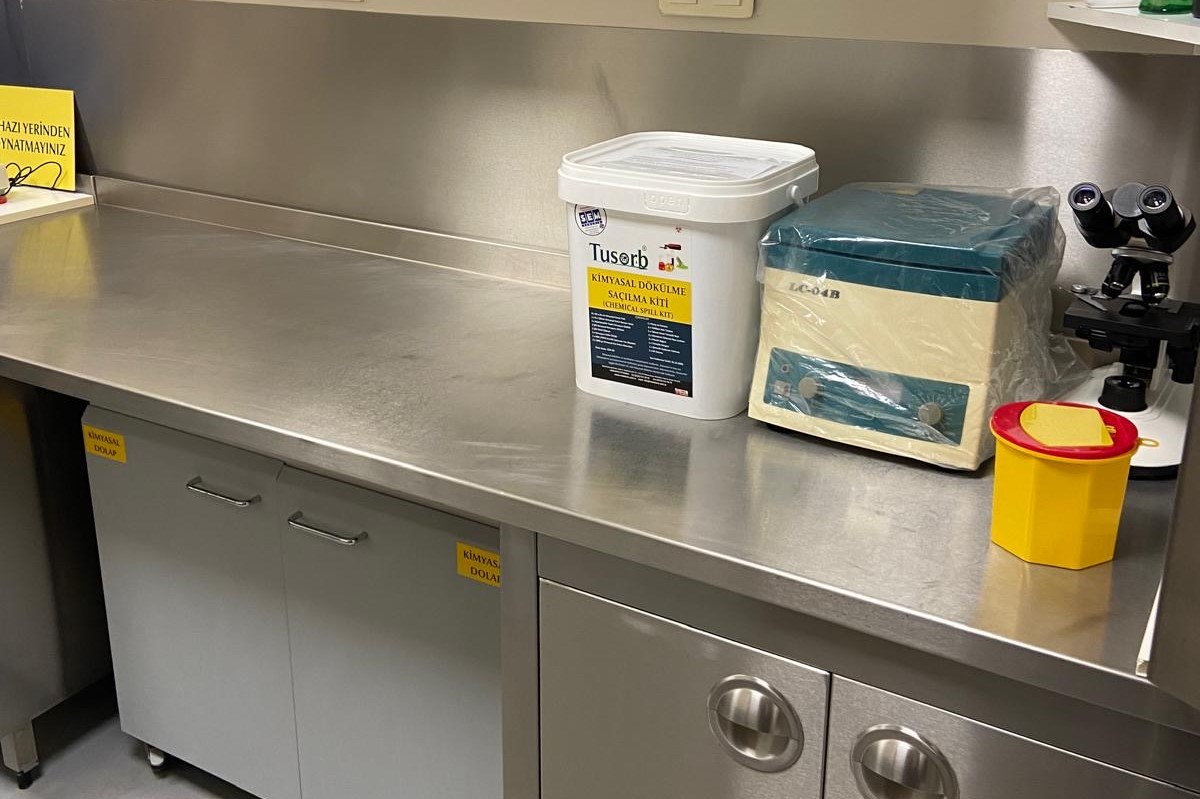
As an environmentally conscious institution, our university acts with the utmost sensitivity in the management of hazardous waste. The proper management of hazardous waste, which has the potential to harm the environment and human health, is among our priorities for a sustainable future.
Our university conducts its waste management processes in accordance with the Environmental Law and relevant regulations. We meticulously implement the following steps to prevent hazardous waste from harming the environment.
Hazardous waste is separated from other waste as soon as it is generated and stored in appropriate waste containers.
Hazardous waste is stored in our licensed temporary waste storage areas without the risk of leakage or harm to the environment.
The transportation and disposal of hazardous waste is carried out only through companies authorized by the Ministry of Environment, Urbanization, and Climate Change.
Our academic and administrative staff and students receive regular training and awareness-raising activities on hazardous waste management.
Related Links & Reports:
Don't Let it Disappear Drop by Drop
Related Links & Reports: